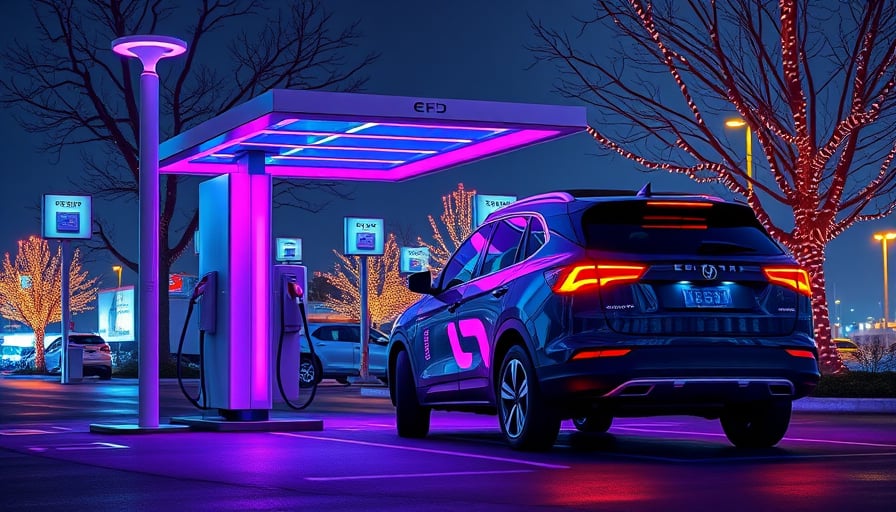
Rivian’s Uber partnership could reshape its revenue, but success depends on regulatory clarity, revenue‑share terms, and cost control amid EV competition.
Rivian’s pivot to electric vehicles: how fuel‑price surges, battery‑localization deals, and ride‑sharing partnerships shape its growth, governance, and competitive edge.
Rivian and Uber’s $1.25 billion alliance powers a future‑ready robotaxi fleet, blending Rivian’s R2 EV tech with Uber’s ride‑hailing network to accelerate autonomous urban mobility and curb emissions.
Rivian’s Rule 144 filing confirms CEO Robert Scaringe sold restricted shares acquired mid‑2025, with the latest sale on March 17, 2026—fulfilling SEC disclosure rules.
Rivian’s new R2 midsize electric SUV aims to leap from niche luxury to mainstream—offering 330‑mile range, AWD power, and lifetime driver‑assist—but faces high price, supply‑chain, and regulatory hurdles that could shape its EV market success.
Rivian unveils the R2 midsize EV SUV, a tiered launch aiming for spring 2026, while launching Mind Robotics to boost factory automation and future profitability.
Rivian’s dual strategy—launching a mainstream EV model while spinning off high‑growth Mind Robotics—leverages rising oil prices, battery tech gains, and new revenue streams to boost market share, scale production, and outpace rivals.
Rivian’s pivot to the R2: how dropping R1S/T and targeting entry‑level EVs could reshape margins, supply chains, and valuation amid shifting incentives and competition.