
Corporate Analysis: Navigating Market Dynamics at Yum! Brands Inc.
Yum! Brands Inc., the parent company of globally recognised quick‑service restaurant (QSR) chains such as KFC, Taco Bell, and Pizza Hut, continues to command a substantial presence in the competitive fast‑food landscape. Recent reporting indicates that the firm’s market capitalisation already encapsulates the value of its premium asset portfolio, implying that significant upside may be contingent upon surpassing current operational expectations rather than purely on asset appreciation.
Digital–Physical Synergy in the QSR Context
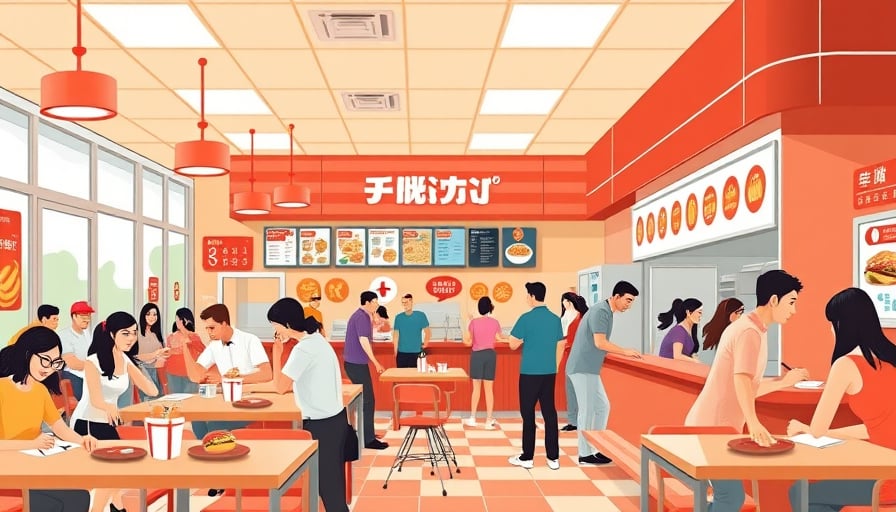
The convergence of digital platforms and brick‑and‑mortar outlets remains a pivotal lever for revenue optimisation in the QSR sector. Consumer expectations are evolving toward seamless, omnichannel experiences: mobile‑first ordering, contact‑less payments, and data‑driven menu customisation. For Yum! Brands, the strategic deployment of in‑store digital kiosks and a robust mobile application can reduce operational friction, accelerate throughput, and capture granular customer insights.
Simultaneously, the “shop‑as‑you‑go” model—where diners can order online and pick up in-store—further blurs the boundary between digital and physical touchpoints. This hybrid approach not only addresses pandemic‑era safety concerns but also appeals to younger demographics that prioritise convenience without sacrificing the social element of dining out.
Generational Spending Patterns and Menu Innovation
The limited‑time collaboration between KFC Canada and chef Matty Matheson exemplifies how Yum! Brands leverages cultural influencers to stimulate demand among younger, value‑oriented consumers. By offering “bold, value‑oriented items,” the brand taps into the Gen‑Z and Millennial appetite for experiential yet affordable cuisine. These cohorts are characterised by a preference for authentic, chef‑curated offerings that can be shared socially, thereby creating viral marketing momentum.
Moreover, the emphasis on value resonates with the current cost‑conscious climate, where discretionary spending is increasingly scrutinised. Introducing limited‑time, chef‑led menus can create scarcity‑driven urgency, prompting repeat visits and amplifying foot traffic without significant incremental cost.
Cultural Movements and Consumer Experience Evolution
The broader cultural shift towards “food as a storytelling medium” provides an opportunity for QSR operators to differentiate through narrative‑driven menus. Collaborations with local chefs or culinary personalities serve dual purposes: they inject novelty and elevate brand perception while reinforcing community ties. This strategy aligns with the growing consumer desire for authenticity and provenance, which is particularly salient in the Canadian market where regional culinary heritage is celebrated.
Digital storytelling—through social‑media campaigns, short‑form video, and interactive QR‑codes in-store—can amplify these narratives, turning a simple meal into a participatory experience. This not only enhances customer engagement but also generates shareable content that drives organic reach.
Forward‑Looking Market Opportunities
Omni‑Channel Expansion Invest in AI‑enabled predictive ordering to streamline drive‑through and curb‑side services. Leverage data analytics to personalise promotions and anticipate demand surges.
Dynamic Menu Architecture Adopt modular menu designs that can be rapidly updated to reflect cultural trends or seasonal collaborations. Utilise blockchain or QR‑codes to provide transparency on sourcing, appealing to sustainability‑conscious consumers.
Experiential Retail Spaces Transform select locations into community hubs featuring pop‑up chefs, live cooking demos, and interactive experiences. Integrate virtual reality or augmented reality elements to showcase brand heritage and product stories.
Sustainability Integration Embed circular economy principles—such as reusable packaging and waste‑to‑energy initiatives—into the core operating model. Communicate these efforts through targeted digital campaigns to reinforce brand trust among eco‑aware demographics.
Data‑Driven Partnerships Collaborate with fintech firms to enable personalised loyalty rewards and contact‑less payment innovations. Use machine‑learning models to optimise inventory, reducing food waste and improving margin.
In summary, while Yum! Brands’ current valuation largely reflects its tangible asset base, the company stands to unlock substantial upside by aligning its operational strategy with evolving consumer behaviours. By harmonising digital transformation with the tactile allure of physical retail, embracing generational spending nuances, and embedding cultural storytelling into the customer journey, Yum! Brands can convert societal shifts into tangible market opportunities, ensuring sustained growth in a rapidly changing food‑service ecosystem.