Corporate News – Consumer‑Goods Sector Update
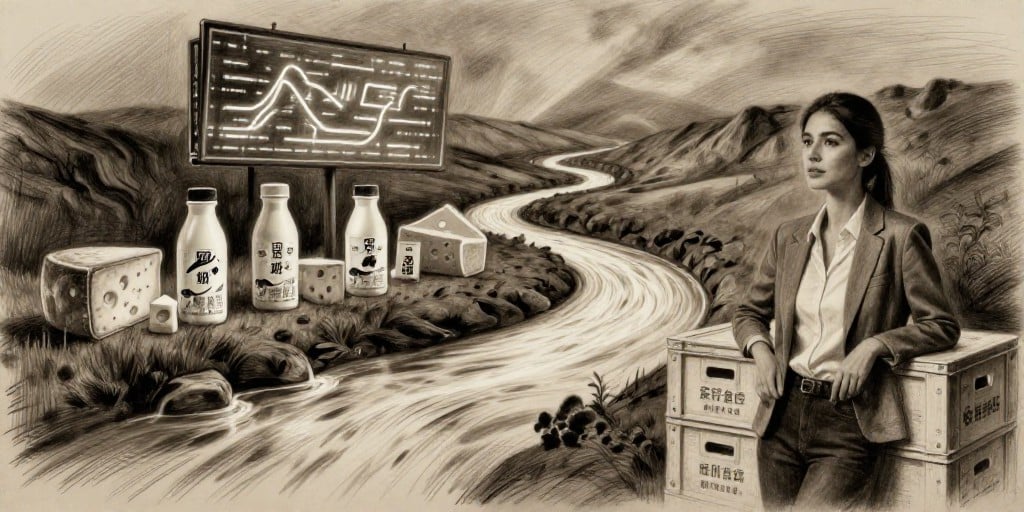
Inner Mongolia Yili Industrial Group Co., Ltd. has entered the public market with a pricing strategy that mirrors its recent earnings momentum and geographic expansion. The dairy giant—whose origins date back several decades—has steadily broadened its product line beyond traditional milk and yogurt into fortified nutrition drinks, plant‑based alternatives, and ready‑to‑eat convenience items. Financial results for the past fiscal years show a consistent rise in both revenue and operating margin, underscoring the firm’s ability to translate product diversification into profitability gains.
Digital‑Physical Synergy in a Shifting Retail Landscape
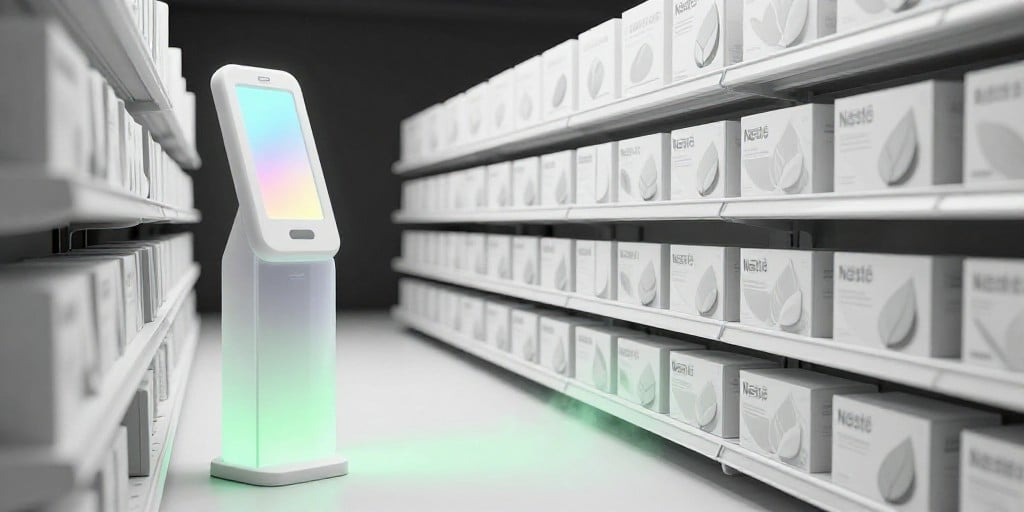
The company’s 2026 outlook, as outlined by senior management, projects continued growth fueled by higher sales volumes and a strategic reduction in production costs. These forecasts are tightly linked to a broader trend in consumer behaviour: the blending of online and offline purchase channels. Millennials and Gen Z shoppers increasingly use mobile apps to research, compare, and order food products, yet they still value the tactile experience of brick‑and‑mortar stores for sampling and impulse buys. Yili has capitalised on this hybrid model by launching an omnichannel platform that integrates e‑commerce, social‑commerce, and a network of branded retail kiosks across key provincial centres. The firm’s investment in data analytics to track purchase patterns and preferences supports personalised marketing and inventory optimisation, reducing waste and improving customer satisfaction.
Demographic Dynamics and Generational Spending
China’s demographic shift, marked by an ageing population and a growing middle‑class cohort in rural and secondary cities, shapes the demand for nutritious and convenient dairy products. Younger consumers, who are more health‑conscious and digitally savvy, are driving demand for fortified and plant‑based options, while the older generation remains loyal to traditional dairy staples. Yili’s product mix reflects these dual motivations: it has expanded its line of functional yoghurts enriched with probiotics and omega‑3 fatty acids, while also introducing oat‑based milk alternatives to capture the plant‑based wave. By aligning product development with generational preferences, the company positions itself to capture market share across the full consumer spectrum.
Cultural Movements and Consumer Experience
The rise of wellness and sustainability consciousness has become a cultural movement that directly influences purchasing decisions. Yili’s recent corporate communication emphasises its commitment to environmentally responsible sourcing—reducing carbon footprints through energy‑efficient dairy farms and biodegradable packaging. This narrative resonates with urban consumers who seek brands that align with their values, thereby enhancing loyalty and willingness to pay a premium. Furthermore, the company’s investment in experiential retail—such as in‑store interactive tasting stations and educational workshops on dairy nutrition—creates a memorable shopping experience that differentiates it from commodified rivals.
Regional Concentration and Competitive Pressure
While the company’s performance remains robust, management remains candid about its heavy reliance on sales within Inner Mongolia, its home province. The concentration exposes the firm to regional economic volatility and limits diversification of risk. Additionally, the Chinese dairy market is contested by major domestic players such as Mengniu and Bright Dairy, as well as international entrants that bring advanced technologies and supply‑chain efficiencies. Yili must therefore continue to invest in process innovation and scale to maintain cost advantages and defend market share.
Global Portfolio Inclusion and Market Perception
The appearance of Yili’s shares in the portfolio disclosures of several international funds signals recognition of its status as a leading consumer‑goods producer in China. Global investors view Yili as a representative of China’s robust dairy sector, and the firm’s transparent reporting on sustainability and growth strategy bolsters its appeal. This visibility can attract additional foreign capital, which may further support expansion plans and technological upgrades.
Forward‑Looking Market Opportunities
- Omnichannel Expansion – Continued investment in digital infrastructure and physical retail footprints will enable Yili to capture cross‑generational shoppers who value convenience without compromising the sensory aspects of product selection.
- Product Innovation Aligned with Wellness Trends – Development of fortified, low‑sugar, and plant‑based dairy alternatives can tap into the growing health‑centric segment while diversifying revenue streams.
- Sustainability Branding – Strengthening environmental credentials and transparently communicating supply‑chain practices will resonate with younger consumers and differentiate Yili in a crowded market.
- Geographic Diversification – Targeted entry into under‑penetrated provincial markets and urban centres will reduce reliance on Inner Mongolia and spread economic risk.
- Data‑Driven Supply Chain Optimisation – Leveraging big‑data analytics to forecast demand patterns, reduce inventory costs, and improve distribution efficiency will sustain margin growth.
In sum, Inner Mongolia Yili Industrial Group’s recent market entry and optimistic 2026 guidance illustrate how a consumer‑goods leader can navigate demographic shifts, digital transformation, and evolving lifestyle preferences. By aligning product innovation, omnichannel retail, and sustainability initiatives with contemporary cultural movements, Yili is positioned to translate societal changes into tangible market opportunities while managing regional concentration risks.