
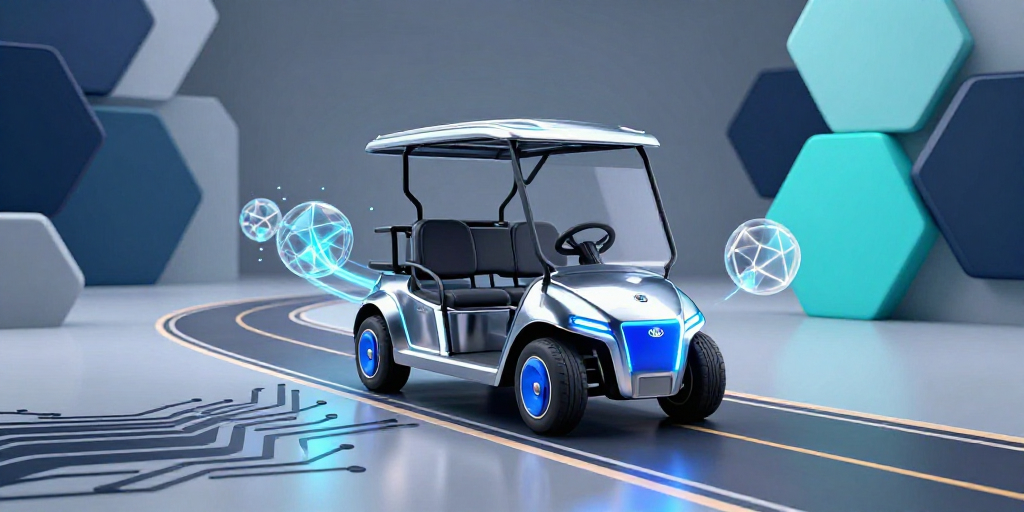
Yamaha Motor Co. Ltd.: Navigating the Low‑Speed Electric Vehicle Transition
Yamaha Motor Co. Ltd. is emerging as a pivotal actor in the expanding global market for low‑speed electric vehicles (EVs), particularly within the golf cart segment. Recent industry analyses highlight a sustained shift toward electrified fleets in both recreational and commercial contexts, driven by heightened environmental consciousness, stricter emission standards, and rapid advances in lithium‑ion battery technology that reduce operating costs and enhance reliability.
Market Dynamics Across Key Regions
North America and Europe Golf course operators and private club managers are systematically replacing aging gasoline and lead‑acid models with modern electric units. These newer models frequently integrate GPS navigation and telematics, enabling sophisticated fleet management and an improved user experience. The trend aligns with Yamaha’s broader strategy of supplying efficient, low‑emission powertrains tailored to a spectrum of small‑vehicle applications.
Asia Pacific Rising disposable incomes, coupled with smart‑city initiatives, are accelerating the adoption of electric mobility solutions. The region’s expanding market presents a fertile environment for manufacturers such as Yamaha, whose diversified product portfolio and proven engineering expertise can meet the growing demand for reliable, cost‑effective electric vehicles.
Beyond Golf Courses Industry reports identify an expanding application base for low‑speed EVs, including airports, university campuses, and residential communities. Solar‑powered carts are gaining traction in locales with abundant sunlight, further diversifying revenue streams and reinforcing the sector’s resilience.
Competitive Positioning and Strategic Advantages
Yamaha’s competitive stance benefits from several structural strengths:
Established Dealer Network A globally dispersed dealer base ensures timely distribution and localized support, crucial for penetrating markets where charging infrastructure and maintenance services are still developing.
After‑Sales Service Excellence Robust service networks and comprehensive spare‑parts logistics underpin customer confidence, fostering brand loyalty in a market that values reliability and uptime.
Technological Innovation Continued investment in battery management systems, powertrain efficiency, and connectivity features positions Yamaha at the forefront of the technologically integrated fleet paradigm.
Economic and Regulatory Implications
The low‑speed EV market operates within a broader macro‑economic framework characterized by:
Regulatory Momentum Governments worldwide are tightening emission regulations, creating incentives for low‑emission fleet upgrades. Yamaha’s compliance‑ready designs and low‑pollution outputs align seamlessly with these policy trajectories.
Cost Synergies Advances in battery technology are decreasing unit costs, thereby reducing the total cost of ownership for fleet operators. Yamaha’s focus on cost‑effective engineering amplifies its appeal to price‑sensitive segments.
Infrastructure Development As charging and maintenance infrastructure gradually matures, companies with established service ecosystems—such as Yamaha—stand to capture a larger share of early adopters and retrofit markets.
Industry Fragmentation and Growth Opportunities
Despite a fragmented landscape dominated by a handful of large manufacturers, the sector remains highly receptive to firms that deliver affordable, reliable, and well‑supported solutions. Yamaha’s proven track record, coupled with its strategic alignment with sustainability and digitalization trends, positions it favorably to capitalize on these emerging opportunities.
In summary, Yamaha Motor Co. Ltd. exemplifies how a traditional automotive manufacturer can adapt its expertise to the evolving demands of low‑speed electric mobility. By leveraging its technical strengths, dealer networks, and commitment to innovation, Yamaha is poised to influence the broader transition toward sustainable mobility across multiple sectors.