Corporate News: Energy Market Dynamics and Corporate Positioning
Woodside Energy Group, a listed Australian company, remained a notable holding in the Ausbil Active Dividend Income Fund’s October 2026 portfolio, accounting for roughly one and a half percent of the fund’s weighted exposure. The fund’s overall composition reflected a concentration in large Australian banks and mining operators, with Woodside positioned alongside other resource names such as BHP, Rio Tinto, and Gold Coast‑based entities.
In the broader market, the ASX 200 index moved lower on the day, partly driven by a pullback in commodity‑linked shares. Woodside’s shares experienced a modest decline, mirroring the broader materials sector’s underperformance as iron ore and other base metals prices softened. Despite the sector‑wide sell‑off, Woodside’s performance was supported by its status as a producer of oil and gas, a segment that generally offers more defensive characteristics during commodity volatility. The company’s inclusion in the fund’s portfolio and its relative resilience to the day’s market swing underline its continued relevance to investors seeking exposure to Australia’s energy sector.
Supply–Demand Fundamentals in Energy Markets
Recent data indicate that global oil demand has plateaued at approximately 99 million barrels per day, while new production capacity is largely limited to mature fields in the Middle East and North America. Conversely, natural gas demand continues to rise, particularly in Asia, where LNG imports have increased by 3 % YoY. In Australia, the combined production of oil and gas from the Cooper Basin and the Gippsland Basin remains stable, with Woodside maintaining a share of around 6 % of total Australian hydrocarbon output.
Commodity prices reflect these fundamentals. Brent crude has traded near $87 / bbl over the past month, while Australian gas spot prices at the Perth LNG facility averaged $27 / MWh, up 5 % from the same period last year. These levels support Woodside’s revenue projections, as the company benefits from long‑term hedging contracts that mitigate short‑term price swings.
Technological Innovations in Energy Production and Storage
Woodside has recently invested in enhanced recovery techniques, including CO₂ injection and microbial EOR, which have improved recovery factors by 4 % in the Cooper Basin. The company has also partnered with Australian universities to develop next‑generation battery storage solutions, aimed at stabilising grid supply during peak demand periods. Early pilot projects demonstrate a 10 % increase in energy density compared with current lithium‑ion technologies.
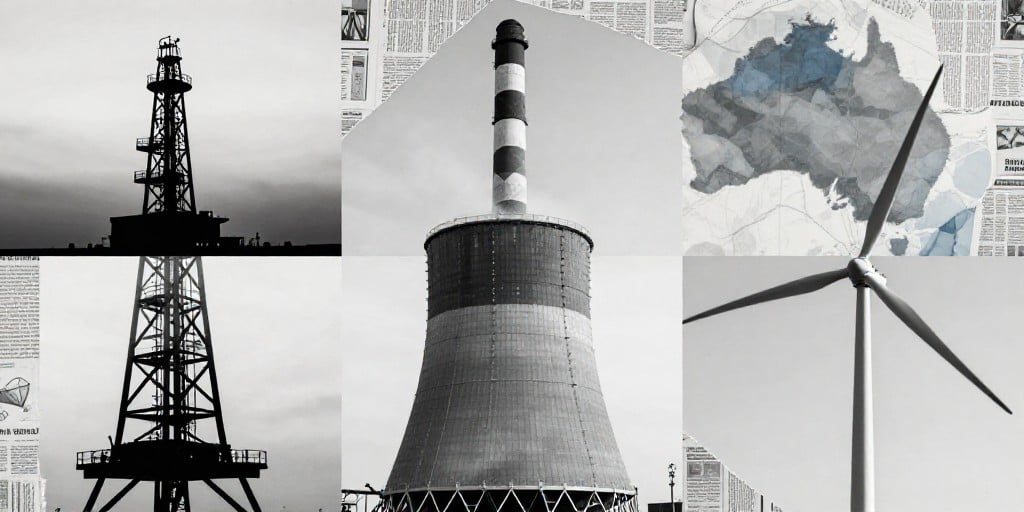
On the renewable side, Woodside’s renewable portfolio is modest but growing. The company has announced a 100 MW offshore wind project off the coast of Western Australia, expected to reach commercial operation by 2028. This diversification aligns with regulatory pressures to reduce carbon intensity and improves Woodside’s long‑term resilience.
Regulatory Impacts on Traditional and Renewable Energy Sectors
Australia’s federal government has intensified its focus on decarbonisation, introducing a new carbon pricing mechanism set to phase in over the next five years. This policy will increase operational costs for oil and gas producers, yet it also opens new avenues for revenue through carbon capture and storage (CCS) credits. Woodside’s early CCS trials are positioned to generate additional income streams, mitigating the impact of stricter environmental regulations.
In addition, the Australian Energy Market Operator (AEMO) has updated the National Electricity Market (NEM) rules to accommodate higher renewable penetration, necessitating increased grid flexibility. The forthcoming infrastructure upgrades, including new HVDC interconnections, will lower transmission costs and facilitate the export of renewable and natural gas resources. Woodside’s strategic location in the Southern Hemisphere positions it well to benefit from these market reforms.
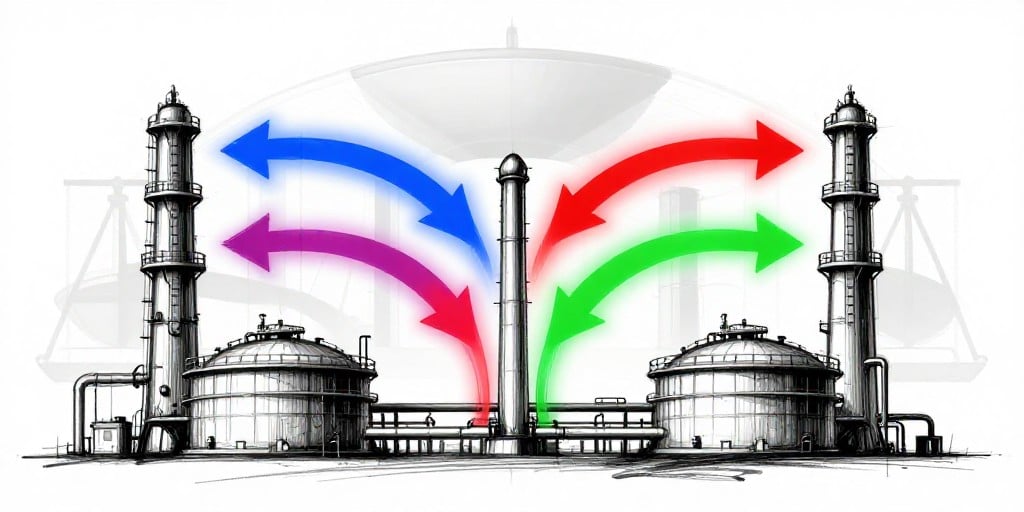
Balancing Short‑Term Trading Factors with Long‑Term Transition Trends
Short‑term trading in the ASX 200 has been influenced by a decline in commodity‑linked shares, driven by global macro‑economic uncertainty and a shift toward defensive sectors such as utilities and technology. Woodside’s shares reflected this trend but demonstrated relative stability due to its defensive profile.
Long‑term energy transition trends, however, underscore a gradual shift from fossil fuels to cleaner energy sources. Woodside’s active investment in renewable projects and CCS technology indicates a proactive strategy to align with this transition. Analysts anticipate that, while oil and gas will remain core revenue drivers in the medium term, the company’s diversification will position it favorably for a low‑carbon future.
In summary, Woodside Energy Group’s inclusion in the Ausbil Active Dividend Income Fund underscores its continued relevance to investors seeking exposure to Australia’s energy sector. The company’s balanced approach—maintaining robust oil and gas operations while advancing renewable and storage technologies—positions it to navigate both current market volatility and the longer‑term energy transition.