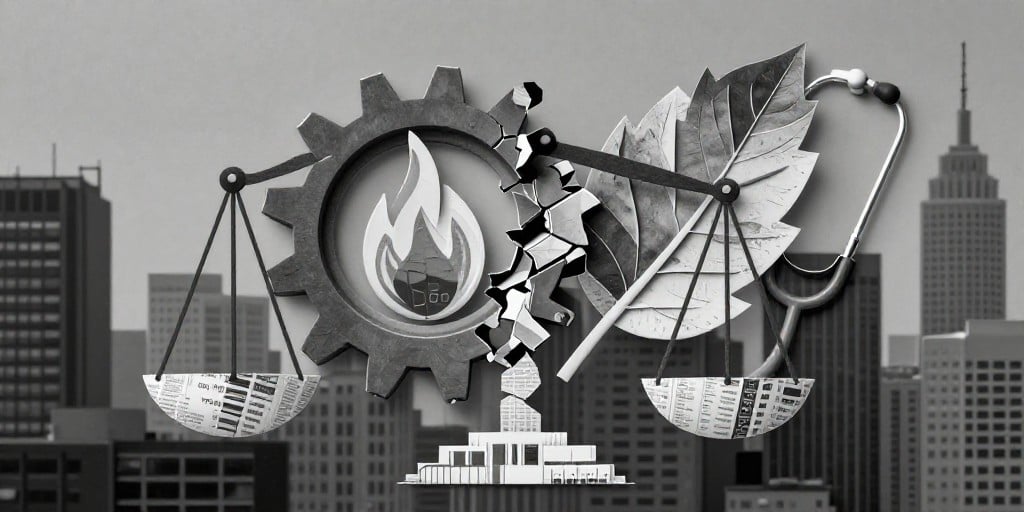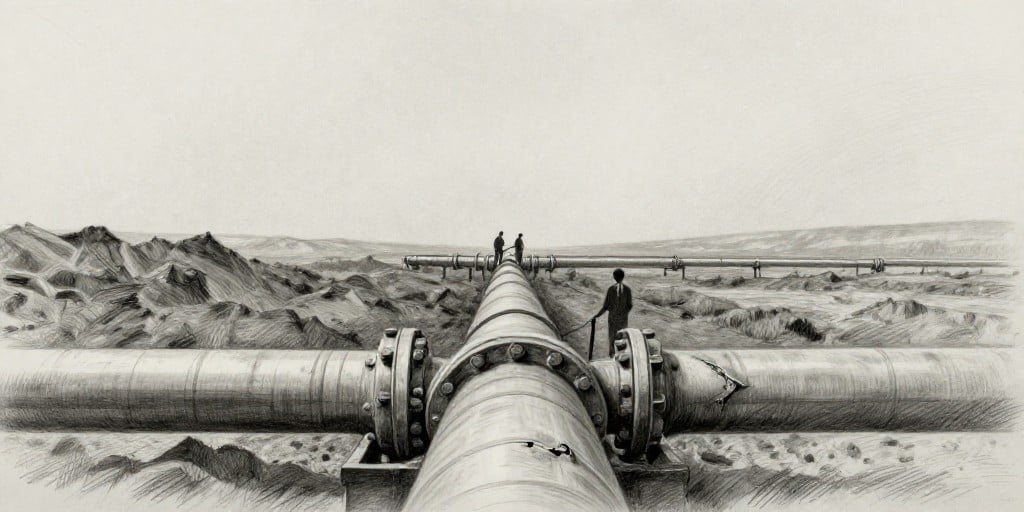
Williams Companies Announces Upcoming Financial Release: A Deep Dive into the Underlying Dynamics
Williams Companies (NYSE: WMB), a major player in the natural‑gas transportation and midstream infrastructure sector, is slated to publish its quarterly earnings for the period ended September 30, 2026, on November 2, 2026. While the consensus among analysts projects a modest uptick in both earnings per share (EPS) and revenue compared to the same quarter a year earlier, a closer examination of the company’s operational fundamentals, regulatory environment, and competitive landscape reveals nuances that may influence both short‑term performance and long‑term value creation.
1. Revenue Outlook: Incremental Growth Amidst a Volatile Market
Analysts forecast a marginal increase in revenue for the third quarter, aligning with a steady rise in natural‑gas volumes transported through the company’s 28,000‑mile pipeline network. However, the underlying drivers are less pronounced than the headline numbers suggest:
- Volume vs. Price Dynamics: Williams has historically benefited from higher natural‑gas prices in the eastern U.S., a trend that has been dampened by the proliferation of liquefied natural‑gas (LNG) imports and the expansion of renewable natural gas (RNG) markets. The projected revenue growth is largely attributable to a 2‑3 % uptick in pipeline throughput, rather than a sustained shift in spot prices.
- Seasonal and Weather Sensitivity: The company’s revenue trajectory is subject to seasonal demand fluctuations and extreme weather events that can disrupt gas consumption patterns. A prolonged heatwave or cold snap could materially alter the volume‑price equilibrium.
- Contractual Commitments: Williams’ revenue mix includes long‑term transport contracts with diversified utility and industrial customers. While these contracts provide stability, they also expose the company to potential price caps and renegotiations, especially as the federal government pushes for lower carbon emissions.
2. EPS Projection: Modest Improvements Masking Structural Risks
The consensus EPS estimate for the quarter reflects a slight year‑over‑year increase, yet several risk factors could compress or inflate the actual figure:
- Operating Cost Pressures: Capital expenditures (CapEx) for pipeline maintenance and expansion remain high, especially in the Midwest where aging infrastructure requires significant reinvestment. A 5 % rise in CapEx, coupled with potential regulatory fines for compliance, could erode profit margins.
- Interest Rate Exposure: Williams has a sizable debt load to fund its pipeline network. Rising interest rates, which are likely to persist, can increase interest expense, thereby diluting EPS growth. The company’s debt maturity profile suggests a need to refinance in the next 12–18 months, raising refinancing risk.
- Competitive Landscape: The midstream sector has seen increased consolidation, with companies like ONEOK and Energy Transfer pursuing aggressive acquisition strategies. Enhanced competition could pressure transport rates, especially in high‑margin corridors such as the Gulf Coast.
3. Full‑Year Forecast: A Gradual Upswing Amidst Policy Uncertainty
Looking ahead to the full fiscal year, analysts anticipate modest gains in both revenue and EPS. Key considerations include:
- Regulatory Shifts: The Biden administration’s infrastructure agenda, coupled with a potential re‑emphasis on clean energy, may increase the demand for natural‑gas transport as a bridge fuel. However, stringent carbon regulations could also accelerate the transition away from natural gas, limiting long‑term growth.
- Technological Disruption: Innovations in digital pipeline monitoring and AI‑driven predictive maintenance promise operational efficiencies. Yet, the capital cost of implementing these systems may offset short‑term gains, especially if the technology is not fully adopted across all segments of the pipeline network.
- Geopolitical Factors: Global supply chain disruptions, particularly in the LNG market, may influence domestic natural‑gas demand patterns. A slowdown in LNG imports could temporarily boost domestic consumption, but the reverse could occur if U.S. exports expand.
4. Overlooked Opportunities and Risks
- Opportunity – Diversification into Renewable Natural Gas (RNG): Williams could capitalize on the growing RNG market by investing in biogas capture facilities, potentially opening new revenue streams and mitigating carbon‑emission risks.
- Risk – Climate‑Related Liability: As climate litigation becomes more prevalent, Williams may face liability claims related to greenhouse‑gas emissions, necessitating robust environmental risk management strategies.
- Opportunity – Strategic Partnerships: Collaborations with renewable energy developers could position Williams as a key infrastructure partner, offering bundled services that enhance customer retention.
- Risk – Market Concentration: A significant portion of Williams’ revenue comes from a handful of large utilities. Over-reliance on a concentrated customer base could expose the company to abrupt contract terminations or rate disputes.
5. Conclusion
While Williams Companies’ upcoming quarterly report is expected to deliver a modest uptick in earnings and revenue, the company’s trajectory is shaped by a complex interplay of market dynamics, regulatory developments, and competitive pressures. Investors and stakeholders should scrutinize the underlying operational drivers and emerging risks rather than rely solely on headline growth figures. A cautious yet opportunistic stance—particularly in the realms of RNG, digital infrastructure, and strategic alliances—may be necessary to sustain value creation in an evolving energy landscape.