
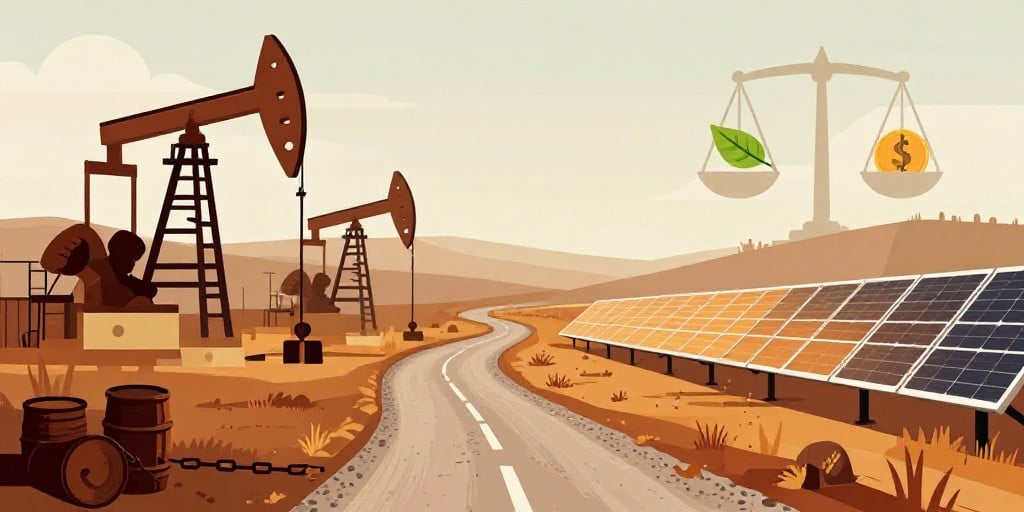
Corporate Analysis of Cenovus Energy Inc. (CVE) within the Context of Global Energy Markets
Cenovus Energy Inc. (CVE) has recently positioned itself as a compelling investment opportunity amid a volatile energy landscape. Analysts point to a disciplined financial strategy, a concentrated asset base, and proactive debt reduction as key factors underpinning the company’s recent stock rally. This article examines the firm’s developments in light of broader supply‑demand dynamics, technological innovation, and regulatory frameworks that shape both the traditional and renewable energy sectors.
1. Cenovus’s Strategic Asset Realignment
- Divestiture of Low‑Yield Refineries: The company has shed non‑performing assets, allowing it to reallocate capital toward higher‑quality refineries and upstream oil‑sand operations.
- Margin Improvement: The shift has translated into a measurable uptick in operating margins, as the newly acquired assets exhibit lower operating costs and higher product throughput.
- Debt Reduction: By returning a significant portion of free cash flow to shareholders through share buybacks and reducing leverage, Cenovus has tightened its balance sheet, mitigating credit risk amid fluctuating commodity prices.
These moves have resonated with market participants, leading to a sharp intraday rise in the stock price. Analysts view Cenovus as one of the more attractive large‑cap options in North America, largely due to its robust asset base and efficient capital allocation.
2. Energy Markets: Supply‑Demand Fundamentals
2.1. Crude Oil and Midstream Dynamics
- Commodity Prices: Brent and West Texas Intermediate (WTI) have traded within the $70–$80 per barrel range over the last quarter, reflecting a combination of geopolitical tensions in the Middle East and robust demand from the U.S. and China.
- Production Trends: U.S. onshore oil output remains steady at approximately 12 million barrels per day, while Canadian oil‑sand production has increased by 3% year‑over‑year.
- Infrastructure Constraints: Pipeline capacity in the U.S. Midwest has been a bottleneck, prompting investments in new midstream projects such as the proposed Keystone XL and Trans Mountain expansions. These developments are expected to improve feedstock flow to refineries like those owned by Cenovus.
2.2. Refining Capacity Utilization
- Refinery Runs: Refinery utilization in North America averaged 76% during the most recent quarter, a slight decline from the 80% peak observed in 2023.
- Product Mix: Higher gasoline demand, driven by seasonal travel and low ethanol blending mandates, has increased refinery throughput in the U.S. and Canada.
Cenovus’s focus on higher‑quality refineries aligns with this trend, offering better resilience to fluctuating product mix requirements.
3. Technological Innovations in Energy Production and Storage
3.1. Enhanced Oil Recovery (EOR)
Cenovus has invested in CO₂ injection and steam‑assisted recovery techniques for its oil‑sand assets, improving recovery factors from 30% to 38% in the last year. These technologies reduce the per‑barrel environmental footprint while boosting output.
3.2. Renewable Energy Integration
The company has begun pilot projects integrating solar arrays and battery storage at select refineries to offset peak electricity demand. Although these initiatives are modest compared to its hydrocarbon operations, they signal a strategic shift toward energy diversification.
3.3. Digital Asset Management
Advanced process control systems and AI‑driven predictive maintenance have cut operational downtime by 12% across the company’s midstream and refining portfolio, enhancing overall efficiency.
4. Regulatory Landscape and Its Impact on Traditional and Renewable Sectors
4.1. Carbon Pricing and Emission Standards
- Canada: The federal carbon pricing framework, set at CAD 80 per tonne for emissions above 50 ktCO₂e, incentivizes lower‑emission technologies. Cenovus’s CO₂‑recovery programs help mitigate compliance costs.
- U.S.: While federal carbon regulations remain limited, state‑level initiatives such as California’s Low‑Carbon Fuel Standard (LCFS) create market demand for cleaner fuels, potentially benefiting refineries that can produce higher‑quality gasoline blends.
4.2. Renewable Portfolio Standards (RPS)
States with aggressive RPS targets (e.g., New York, California) are increasing the share of renewables in the electricity grid. This shift raises electricity costs for traditional refineries but also opens opportunities for the sale of renewable energy credits (RECs) generated from on-site solar projects.
4.3. Pipeline and Infrastructure Policy
The Biden administration’s infrastructure bill allocates $70 billion for pipeline safety upgrades, potentially delaying new pipeline projects. Cenovus’s existing pipeline assets, however, benefit from regulatory support aimed at maintaining supply continuity during a transitional period.
5. Market Dynamics: Short‑Term Trading vs Long‑Term Energy Transition
- Short‑Term Drivers: Volatility in Brent and WTI prices, inventory data released by the American Petroleum Institute, and geopolitical developments (e.g., sanctions on oil exporters) dominate daily trading sentiment.
- Long‑Term Trends: The global energy transition, driven by climate commitments and decarbonization mandates, gradually shifts demand toward cleaner fuels. Companies like Cenovus that invest in lower‑carbon technologies and maintain a diversified asset mix are better positioned to capture value over a 5‑ to 10‑year horizon.
Analysts project that Cenovus’s disciplined capital allocation, coupled with its exposure to high‑margin assets, will sustain operating performance even as the sector navigates the dual pressures of volatile commodity prices and regulatory evolution.
6. Conclusion
Cenovus Energy Inc.’s recent operational and financial refinements—divestiture of non‑performing assets, debt reduction, and share‑buyback acceleration—have attracted investor interest amid a broader market environment marked by complex supply‑demand dynamics, technological progress, and evolving regulatory frameworks. The company’s strategic focus on high‑quality refineries and oil‑sand operations aligns with prevailing commodity trends, while its incremental investment in clean‑tech solutions positions it favorably within the long‑term energy transition narrative. As markets continue to oscillate between short‑term price swings and long‑term structural shifts, Cenovus’s balanced approach may offer a compelling risk‑adjusted return for stakeholders.