Corporate News Report
Overview
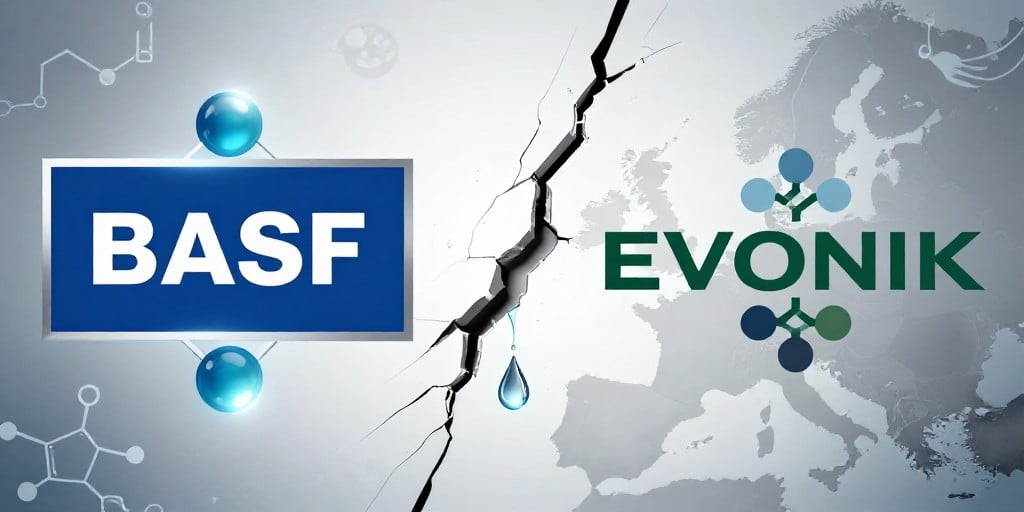
BASF SE’s recent decision to withdraw its bid for Evonik Industries has set off a chain of reactions across the German specialty‑chemistry sector and the broader European equity market. While the transaction was terminated before finalization, the underlying dynamics reveal a complex interplay of valuation disputes, shareholder strategy, and macro‑financial pressures that warrant a deeper investigation.
1. Transaction History and Valuation Context
| Date | Event | Offer Details | Outcome |
|---|---|---|---|
| Early 2024 | BASF proposes acquisition of Evonik | Cash offer valuing Evonik at > €11 billion | Rejected by Evonik after insufficient executive dialogue |
| Mid‑2024 | Evonik rejects two subsequent cash offers from BASF | Offers below prior valuation, no deeper strategic discussion | Evonik maintains independence |
The valuation gap—BASF’s initial €11 billion estimate versus Evonik’s rejection—suggests that Evonik’s board perceived a premium discrepancy or strategic misalignment. By insisting on “deeper executive discussions,” Evonik signaled a need for alignment beyond financial terms, possibly encompassing R&D synergies, portfolio rationalization, and regulatory compliance frameworks.
2. Shareholder Dynamics
- RAG‑Stiftung is Evonik’s largest shareholder, holding approximately 43 % of the company. The foundation expressed regret at the termination of negotiations, underscoring its strategic interest in Evonik’s long‑term growth trajectory.
- RAG‑Stiftung’s commitment to reduce its stake to around 25 % while expanding other investments indicates a broader diversification strategy. The foundation’s capital is earmarked for offsetting the financial impact of Germany’s lignite mining shutdown in 2018—a significant historical liability.
The foundation’s stake reduction plan may influence future negotiations: a lighter shareholding could enable a more agile decision‑making process, yet it may also reduce the foundation’s bargaining power in any potential re‑engagement.
3. Regulatory and Market Environment
- European Chemical Regulatory Landscape: The EU’s REACH (Registration, Evaluation, Authorisation, and Restriction of Chemicals) framework continues to impose stringent compliance costs. A merger would require a comprehensive review of both companies’ chemical portfolios to ensure regulatory alignment, potentially delaying the integration timeline.
- Monetary Policy Tightening: Central banks across the eurozone are signalling incremental interest‑rate hikes to curb inflation. Higher financing costs could erode the attractiveness of large cash deals, especially when the deal is financed through debt.
- Technology Stock Downturn: European technology stocks are experiencing a sell‑off due to concerns over AI sustainability and market valuation. This broader downturn exerts pressure on valuation multiples across all sectors, including specialty chemicals, and could lower the acceptable acquisition premium.
4. Competitive Landscape
BASF and Evonik are the two dominant players in the European specialty‑chemistry space, each with distinct niche portfolios. The competitive dynamics include:
- Product Synergy: Potential cross‑sale opportunities in polymer additives, performance chemicals, and advanced materials.
- Geographic Reach: Both companies have strong European footprints but divergent strengths in Asia-Pacific markets. A merger could improve global distribution efficiency.
- R&D Overlap: Shared investments in green chemistry and circular economy initiatives could reduce R&D costs but also require complex integration of intellectual property assets.
5. Risk Assessment
| Risk | Description | Potential Impact |
|---|---|---|
| Regulatory Delays | EU approvals may take 18–24 months. | Integration costs rise; market advantage lags. |
| Capital Structure Constraints | Post‑tighter monetary policy limits debt appetite. | Deal may need higher equity dilution or price concessions. |
| Shareholder Sentiment | RAG‑Stiftung’s stake reduction signals potential misalignment. | Lower board cohesion could hamper strategic execution. |
| Market Volatility | Tech sector downturn may depress valuation multiples. | Lower premium may reduce deal attractiveness. |
6. Opportunity Landscape
- Cost Synergies: Consolidation could yield €300–400 million in annual savings through combined procurement, manufacturing, and administrative functions.
- Innovation Acceleration: Merging R&D pipelines may accelerate product development in high‑margin segments such as advanced materials and specialty polymers.
- Capital Allocation Flexibility: Post‑merger, the combined entity could deploy capital toward renewable energy projects, aligning with EU green transition mandates and potentially attracting ESG-focused investors.
7. Market Reaction and Forward Outlook
- BASF Shares: Experienced a modest decline in the German equity index during the announcement, reflecting investor caution but not the most significant hit among constituents.
- Investor Sentiment: The upcoming capital markets day presents an opportunity for BASF to articulate a revised strategic vision, potentially reassuring stakeholders about its post‑bid trajectory.
- Sector Implications: A successful merger would reshape the competitive architecture of the European specialty‑chemistry sector, prompting rivals to reassess consolidation strategies or defensive positioning.
8. Conclusion
While the withdrawal of BASF’s bid for Evonik appears to close the immediate negotiation, it opens a window for further strategic dialogue. The convergence of valuation disagreements, shareholder realignment, regulatory complexity, and macro‑financial headwinds creates a nuanced environment where both risk and opportunity coexist. Analysts should monitor the upcoming capital markets day and any subsequent communications from both firms for signals of a potential renegotiation, keeping a keen eye on how broader market trends and regulatory frameworks may influence the eventual outcome.