
Corporate Update on WEC Energy Group Inc.: Strategic Realignment and Technical Considerations for a Modern Grid
Executive Summary
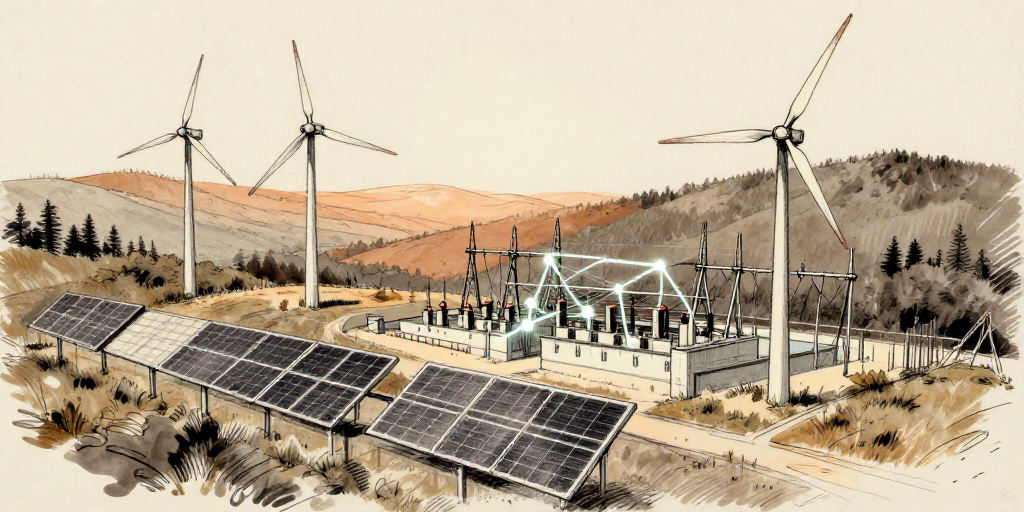
WEC Energy Group Inc. is undergoing a deliberate strategic reassessment aimed at balancing its traditional utility operations with an expanded portfolio that includes renewable energy assets and distributed generation (DG) opportunities. This shift is driven by evolving regulatory frameworks, market dynamics, and the imperative to sustain grid stability while integrating higher shares of variable renewable resources (VRRs). The company’s management is actively streamlining operational processes, managing debt strategically, and targeting infrastructure investments that align with contemporary standards for resilience and environmental compliance.
1. Grid Stability Amid Increasing Renewable Penetration
1.1 Variability and Forecasting The integration of wind and solar generation introduces rapid, short‑term fluctuations in power output. WEC Energy Group’s technical teams are deploying advanced forecasting algorithms that assimilate meteorological data and machine‑learning models to predict generation variability with sub‑hour resolution. These predictions feed into automated control systems that adjust conventional generator set‑points and demand‑response signals, thereby maintaining the balance between supply and demand.
1.2 Frequency and Voltage Regulation To preserve frequency stability, the utility is augmenting its spinning reserve capacity with virtual inertia solutions sourced from inverter‑based resources (IBRs). Voltage regulation is being enhanced through the deployment of static var compensators (SVCs) and flexible AC transmission system (FACTS) devices on key sub‑stations. These measures mitigate voltage swings caused by sudden loss or gain of renewable output, a critical requirement under the North American Electric Reliability Corporation (NERC) reliability standards.
1.3 Protection System Adaptation The heterogeneity of load‑side devices and the rise of DG necessitate re‑tuning of protection settings. WEC is conducting comprehensive fault‑current studies to recalibrate differential and distance relays, ensuring selectivity and coordination across the network. Protective relays are being upgraded to support adaptive features that adjust pickup settings based on real‑time network conditions.
2. Renewable Energy Integration Challenges
2.1 Grid Congestion and Transmission Constraints High penetrations of solar in the southeastern service area have led to “net‑injection” congestion, where local generation exceeds feeder capacity during peak daylight hours. The company is exploring both line hardening (e.g., upgrading conductors, installing re‑configurable transformers) and dynamic line rating (DLR) to increase apparent capacity without significant capital outlay.
2.2 Loss Management and Energy Quality Voltage‑drop issues arise when distributed solar farms inject power into weak grids. WEC is implementing voltage‑control strategies, such as dynamic reactive power support from inverters (PV VAR) and deploying capacitor banks at feeder end points, to reduce power losses and improve energy quality for downstream consumers.
2.3 Cyber‑Physical Security The digitalization required for advanced monitoring and control heightens cyber‑attack vectors. WEC has integrated multi‑layer security protocols—encryption of SCADA traffic, intrusion detection systems, and regular penetration testing—to safeguard against potential disruptions that could compromise grid reliability.
3. Infrastructure Investment Requirements
3.1 Capital Allocation Strategy WEC’s investment plan prioritizes projects with the highest return on reliability and regulatory compliance. The focus areas include:
- Upgrading sub‑station automation to support real‑time monitoring of renewable output and DG penetration.
- Expanding high‑voltage direct current (HVDC) links to facilitate long‑distance power transfers from wind‑rich regions to load centers.
- Deploying energy storage (both utility‑scale batteries and pumped‑hydro) to smooth variability and provide ancillary services such as spinning reserve and frequency containment.
3.2 Financing Mechanisms The utility is exploring a mix of debt‑and‑equity instruments, including green bonds and performance‑based asset‑backed securities, to fund renewable expansion while preserving credit ratings. Hedging strategies against interest rate volatility are being evaluated to lock in favorable financing terms.
3.3 Lifecycle Cost Analysis WEC is conducting life‑cycle cost (LCC) assessments that incorporate not only construction and operation costs but also regulatory compliance expenses, potential penalties for emissions, and avoided costs of blackouts. These analyses guide asset prioritization and ensure that investments align with long‑term economic and environmental objectives.
4. Regulatory Frameworks and Rate Structures
4.1 Environmental Compliance Recent state-level mandates require utilities to reduce greenhouse gas emissions by 60 % by 2030 and achieve net‑zero by 2050. WEC is aligning its renewable acquisition targets to meet these mandates, leveraging regulatory incentives such as renewable portfolio standards (RPS) and carbon pricing mechanisms.
4.2 Rate Design and Consumer Impact Transitioning to a diversified mix of generation assets necessitates revisiting rate structures. The utility is evaluating time‑of‑use (TOU) tariffs that reflect the true marginal cost of energy during peak renewable availability versus peak load periods. This approach incentivizes load shifting and reduces the need for costly peaking plants, ultimately lowering consumer bills.
4.3 NERC Reliability Standards Compliance with NERC standards, particularly B‑17 (Grid Stability) and B‑31 (Reliability Planning), is mandatory for all generation and transmission assets. WEC’s investment in adaptive protection and advanced monitoring ensures adherence to these standards while supporting higher renewable integration.
5. Economic Impacts of Utility Modernization
5.1 Cost of Capital and Return on Equity Modernization projects typically carry higher upfront capital costs, but they generate long‑term savings by reducing outage costs, improving asset lifespan, and avoiding regulatory penalties. WEC’s capital allocation models project an internal rate of return (IRR) of 8 %–10 % for key projects, exceeding the cost of capital and delivering shareholder value.
5.2 Job Creation and Local Economies Infrastructure upgrades and renewable projects stimulate job growth in construction, operations, and maintenance. The utility’s local procurement strategy ensures that a significant portion of project spend circulates within the communities served, enhancing its social license to operate.
5.3 Consumer Cost Trajectory While short‑term investment outlays may necessitate modest rate increases, the long‑term trajectory is expected to flatten or decline due to:
- Reduced fuel costs as renewables replace fossil‑fuel generators.
- Lower maintenance and decommissioning expenses for aging coal units.
- Avoided costs from prevented outages and improved power quality.
Analysts project a net‑present‑value (NPV) benefit of approximately $0.30 per kilowatt‑hour for residential customers over the next decade, contingent on stable regulatory environments.
6. Conclusion
WEC Energy Group Inc. is strategically positioning itself to navigate the complex technical, regulatory, and economic landscape of the evolving electric power industry. By embracing advanced grid technologies, investing in resilient infrastructure, and aligning with stringent environmental standards, the company aims to secure long‑term reliability and profitability while delivering value to both consumers and shareholders. The forthcoming reporting periods will be pivotal in assessing the effectiveness of these initiatives and their impact on the utility’s financial and operational performance.