Corporate News Analysis: Impact of Weather‑Induced Power Disruption on Lundin Mining Corp.’s Chilean Operations
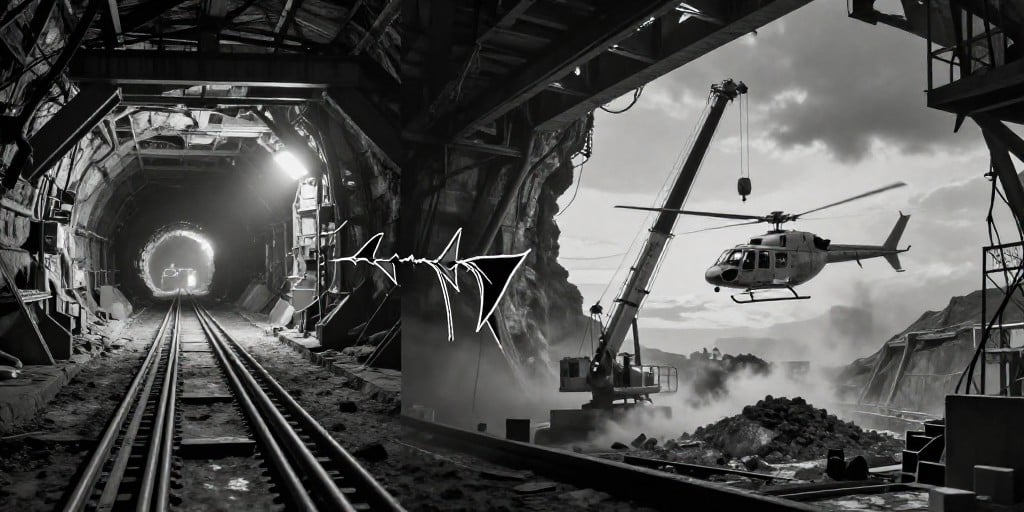
Lundin Mining Corp. (TSX: LUN) announced that severe weather last week inflicted damage on two essential power‑line towers that supply electricity to its Caserones copper mine in Chile. The outage has rendered the mine inactive since mid‑July, compelling the company to deploy repair crews and progressively restore access roads. Management has projected that full operational capability may be restored within approximately two to three weeks. This interruption is expected to reduce the mine’s annual production forecast by roughly ten thousand tonnes, potentially bringing Lundin’s 2026 output guidance of 130 000–140 000 tonnes lower unless productivity rebounds in the final quarter. The announcement triggered a decline in Lundin’s Toronto‑listed shares, falling as much as 3.3 % at the time of reporting.
Operational Context and Immediate Consequences
Caserones is a key contributor to Lundin’s global copper output, benefiting from a favorable copper price trajectory and the company’s focus on high‑grade, low‑cost assets. The sudden loss of power disrupted drilling, milling, and ore transport processes. While the mine’s infrastructure is designed for resilience, the extent of the damage—affecting both high‑voltage transmission towers and ancillary support facilities—has extended the downtime beyond the company’s usual contingency thresholds.
The repair strategy involves a staged approach: first, temporary power rerouting via backup generators to stabilize critical processes; second, the physical reconstruction of the damaged towers; third, the re‑establishment of reliable access routes to ensure safe movement of equipment and personnel. Management’s two‑to‑three‑week timeline reflects the anticipated speed of repair crews and the logistical complexity of operating in a remote Chilean setting during a post‑storm period.
Market and Investor Reactions
Investors reacted promptly to the operational setback. Within the first trading session following the announcement, Lundin’s shares fell 3.3 % in Toronto, mirroring a broader sense of caution among market participants. The price decline is attributable to a combination of factors: the immediate reduction in expected copper output, the potential for prolonged downtime, and heightened risk perception surrounding Chile’s mining infrastructure stability.
Despite the short‑term negative impact, analysts noted that Lundin’s long‑term fundamentals remain solid. The company’s focus on cost efficiency and its diversified portfolio of low‑grade, high‑grade mines provide a buffer against such operational shocks. Moreover, the recovery timeline aligns with the broader industry expectation that temporary disruptions are unlikely to alter the long‑term trajectory of copper demand driven by electrification and green energy transitions.
Broader Industry Implications
Chile’s role as the world’s leading copper producer means that localized weather events can have ripple effects across the global supply chain. Other Chilean mining operators reported comparable disruptions, suggesting a systemic vulnerability to extreme weather. This incident underscores the increasing importance of resilient infrastructure and adaptive risk management strategies within the mining sector.
The event also illustrates how non‑production factors—such as weather‑induced power failures—can influence corporate guidance. Companies with high dependence on continuous power supply must reassess their contingency frameworks and invest in robust backup solutions to mitigate future disruptions. Additionally, investors are likely to scrutinize the geographical diversification of mining assets, favoring companies that spread operational risk across multiple jurisdictions.
Economic and Competitive Positioning
From an economic standpoint, the reduction in Lundin’s copper output could slightly compress the company’s revenue projections for the year, yet the broader copper market remains resilient. Global copper demand is projected to continue rising in the 2020s, driven by electric vehicle adoption, renewable energy infrastructure, and digitalization. Consequently, any temporary shortfall in output is unlikely to materially alter Lundin’s competitive positioning, provided the company maintains its cost‑competitiveness and operational efficiency.
In competitive terms, Lundin’s ability to manage and recover from operational setbacks is a testament to its managerial discipline. While the immediate loss in production may affect quarterly earnings, the company’s disciplined approach to repair and its strategic focus on high‑grade assets position it favorably relative to peers that may face higher operating costs or lower ore grades.
Conclusion
Lundin Mining Corp.’s recent power‑line tower damage at the Caserones mine illustrates the critical interplay between infrastructure resilience and corporate performance in the mining industry. While the immediate operational pause and projected output decline present short‑term challenges, the company’s structured response and robust long‑term strategy mitigate the broader impact. Investors and analysts should continue monitoring Lundin’s progress in restoring full operations and assessing the efficacy of its risk‑management practices amid a climate that increasingly tests the durability of mining infrastructure worldwide.