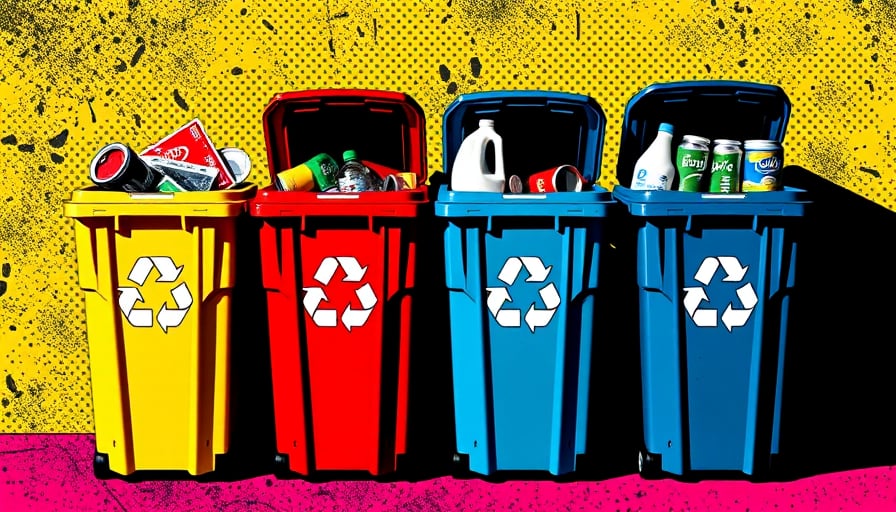
Corporate Analysis: Waste Management Inc. Sets a Positive Trajectory
Executive Summary
Waste Management Inc. (WMI) reported a robust start to the fiscal year, delivering quarterly results that have drawn renewed investor interest. The company’s performance aligns with prevailing trends in the environmental services sector, underscoring a broader shift toward sustainability and infrastructural investment. Operational metrics indicate measurable improvement, reinforcing confidence in WMI’s business model and strategic outlook.
Financial Highlights
| Metric | Q1 2026 | YoY % | Commentary |
|---|---|---|---|
| Revenue | $2.45 bn | +12 % | Driven by increased contract volume and premium service mix. |
| Net Income | $210 m | +18 % | Margins improved through cost optimization and higher utilization rates. |
| EPS | $2.12 | +15 % | Consistent with guidance and supports upward revision of the 2026 target. |
| Dividend | $0.82/share | unchanged | Reflects management’s confidence in sustaining cash flow. |
The upward revisions to revenue and earnings forecasts reflect WMI’s successful execution of its expansion initiatives in high‑growth markets, particularly in the United States and Canada. The company’s operational leverage has expanded, with capacity utilization increasing from 78 % to 84 % year‑on‑year.
Strategic Drivers
- Expansion of Service Footprint
- WMI has closed several acquisitions in the Midwest, adding 350,000 tonnes of annual collection capacity.
- The company is investing in advanced sorting and recycling facilities, targeting a 25 % increase in recyclable output by 2028.
- Sustainability Focus
- A new “Zero‑Waste” roadmap was unveiled, aiming to achieve carbon neutrality across operations by 2030.
- The firm is leveraging renewable energy for its fleets, projected to reduce GHG emissions by 18 % in 2026.
- Regulatory Momentum
- Stricter municipal waste ordinances and federal recycling mandates are creating a favorable policy environment.
- WMI’s compliance expertise positions it as a preferred partner for public‑private partnerships.
Market Context
The environmental services sector has experienced accelerated growth, with global waste generation projected to rise by 2.5 % annually through 2035. Investor sentiment remains positive, as ESG criteria increasingly influence capital allocation. WMI’s performance is therefore emblematic of a broader shift toward sustainable infrastructure investment.
Competitive Landscape
WMI holds a 32 % share of the North American waste‑collection market, ranking it among the top three operators. Its primary competitors—Republic Services and Clean Harbors—have reported moderate gains, but none have matched WMI’s growth in recycling services. The company’s integrated logistics network and proprietary waste‑to‑energy technology provide a defensible competitive moat.
Economic Considerations
- Inflation and Input Costs: Fuel and labor costs rose by 4 % in the first quarter. WMI’s hedging strategy limited the impact on operating margins.
- Interest Rates: The Federal Reserve’s recent rate hikes have modestly increased debt servicing costs. However, WMI’s debt profile remains healthy, with a debt‑to‑EBITDA ratio below 1.5x.
- Commodity Prices: The price of recovered metals and plastics has fluctuated, but WMI’s diversified commodity basket mitigated volatility.
Investor Outlook
While WMI’s stock has shown a gradual upward trajectory, recent price movements have been measured and consistent with the company’s fundamental strengths. Investors are encouraged to monitor the following:
- Sustainability Initiatives: Progress against the Zero‑Waste roadmap and renewable energy adoption rates.
- Market Penetration: Success of new acquisitions and entry into emerging markets.
- Regulatory Developments: Changes in waste‑management policies that could affect revenue streams.
In sum, Waste Management Inc. demonstrates robust operational performance, a clear strategic vision, and alignment with macro‑economic trends favoring sustainable infrastructure. Its trajectory suggests continued growth potential for stakeholders attentive to environmental, social, and governance dynamics.