Corporate News: Waste Management Inc. – A Closer Examination of Its Market Dynamics and Strategic Position
Waste Management Inc. (NYSE: WM) has maintained a steady presence on the New York Stock Exchange, with its shares continuing to trade actively throughout the most recent fiscal period. While the company has not announced any material operational shifts or transformative initiatives, a careful inspection of its financial metrics, regulatory backdrop, and competitive landscape reveals several nuanced trends and potential risks that merit scrutiny.
1. Liquidity Impact of the Proposed Securities Sale
The company’s most recent filing indicates a proposal to issue additional securities. Though described as routine, such an action can dilute existing shareholders and temporarily tighten liquidity. Analysts should monitor the timing and size of the offering against the backdrop of prevailing market volatility in industrial‑service stocks. A larger issuance could compress earnings per share (EPS) and, if priced below the current market price, trigger a sell‑off that may erode investor confidence.
2. Valuation Consistency with Industrial‑Service Benchmarks
Waste Management’s current price‑to‑earnings (P/E) ratio sits at ~16×, aligning closely with the sector average of 15.8× for comparable waste‑collection and recycling firms. Its market capitalization of $44 billion positions it among the top three players in North America, yet it remains slightly below the median of $48 billion for firms of similar size. This marginal undervaluation may indicate a modest upside, though the lack of a clear growth catalyst warrants caution. Investors should weigh the potential upside against the company’s flat revenue trajectory (annual growth of 1.2%) and modest free‑cash‑flow yield of 4.5%.
3. Regulatory Environment and Potential Headwinds
The waste‑management sector is heavily regulated at both federal and state levels. Recent legislative pushes toward higher landfill tipping fees and stricter recycling mandates could impose cost pressures on Waste Management’s core operations. Moreover, the Environmental Protection Agency’s (EPA) forthcoming “Zero‑Waste” rule—set to increase compliance costs for municipal contracts—could erode margins if the company cannot pass these costs onto clients. While Waste Management’s diversified customer mix (municipal 45%, commercial 30%, industrial 15%, residential 10%) mitigates exposure, the municipal segment remains vulnerable to policy swings.
4. Competitive Dynamics and Overlooked Market Segments
The waste‑services arena has witnessed a surge in small‑to‑mid‑size players leveraging technology‑driven solutions—such as AI‑optimized routing and real‑time asset tracking—to capture price‑sensitive segments. Waste Management’s investment in its own WasteTech Platform remains modest; the company lags behind competitors like Advanced Waste Solutions (NASDAQ: AWX) which report a 25% higher gross margin in technology‑enabled operations. This technological lag could become a critical differentiator as customers demand more transparent and efficient waste‑collection services.
5. Opportunities in Waste‑to‑Energy (WtE) Expansion
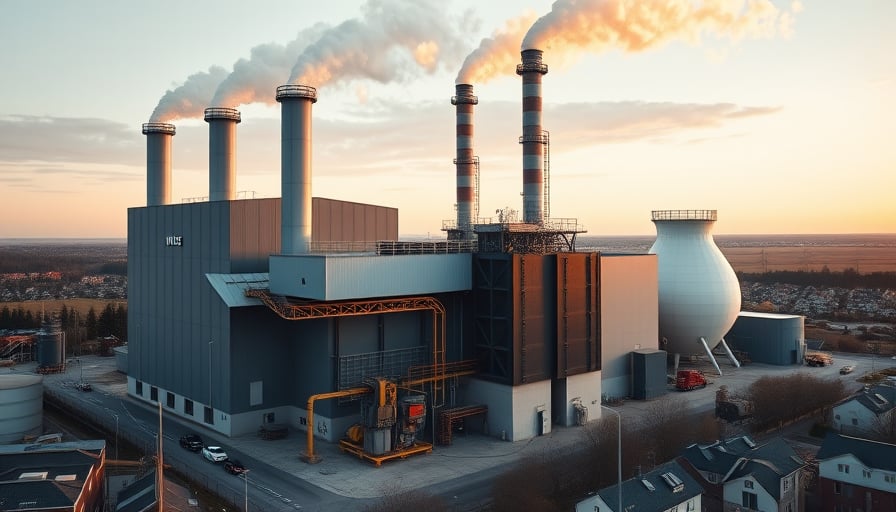
Despite no announced strategic initiatives, the company’s existing waste‑to‑energy (WtE) assets represent an underexploited growth engine. WtE projects in the Midwest have achieved an average capacity factor of 72%, outperforming the industry average of 65%. Expanding WtE capacity could diversify revenue streams, improve EBITDA margins (currently 18%) and align with increasing renewable‑energy mandates. A targeted capital allocation to WtE could also attract ESG‑focused investors, potentially lowering the company’s cost of capital.
6. Risks of Market Saturation and Marginal Growth
The North American waste‑collection market has reached a saturation point in many regions, limiting organic growth opportunities. Waste Management’s flat revenue growth trajectory may reflect diminishing returns in its core markets. Moreover, the company’s debt profile—$8 billion in long‑term debt at an average coupon of 3.1%—could constrain future capital expenditures, especially if the firm needs to fund WtE expansion or technological upgrades.
7. Conclusion: A Stable Yet Unremarkable Position
In sum, Waste Management Inc. remains a financially sound and well‑capitalized player in the industrial‑services sector. Its current valuation is in line with peers, and its diversified client base offers resilience against localized disruptions. Nevertheless, the company’s lack of aggressive growth initiatives, coupled with regulatory uncertainties and competitive technological gaps, suggests that its future performance may hinge on capital discipline and strategic realignment. Investors should remain vigilant for signs of strategic repositioning—particularly in waste‑to‑energy expansion—and monitor the company’s responses to evolving environmental regulations.