Corporate Analysis: Strategic Expansion of Wanhua Chemical Group and ADNOC Logistics
Background and Context
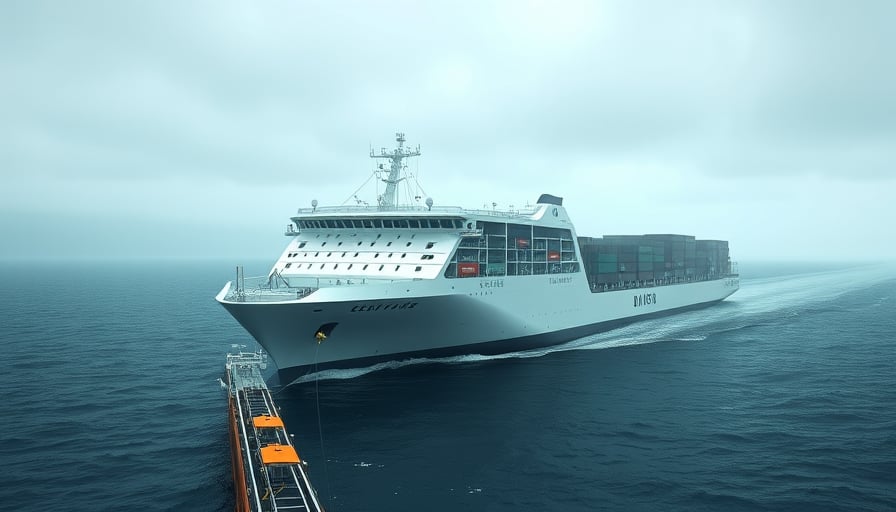
Wanhua Chemical Group Co Ltd, a leading Chinese specialty‑chemicals manufacturer, has entered a strategic joint venture with Abu Dhabi’s ADNOC Logistics & Services (ADNOC L&S). The partnership, announced in 2024, secured contracts to design, construct, and deploy nine very large ethane carriers (VLECs) and two very large ammonia carriers (VLACs), with an option for two additional VLACs. These vessels will be powered by dual‑fuel engines, a technology that allows operators to switch between low‑sulfur marine diesel and liquefied natural gas, thereby enhancing fuel efficiency and reducing emissions.
Project Scope and Economic Implications
ADNOC L&S projects that the VLECs will be placed under long‑term time‑charter agreements, potentially yielding stable revenue streams for the next two decades. This long‑haul strategy aligns with the global shift toward more efficient, low‑emission shipping, a trend accelerated by the International Maritime Organization’s (IMO) 2025 and 2030 emission reduction targets. The dual‑fuel design is expected to provide a competitive advantage by mitigating volatile fuel price fluctuations and complying with tightening environmental regulations.
Strategic Fit for Wanhua
For Wanhua, the venture represents a vertical integration into the maritime logistics chain that supports its core chemical products. By securing dedicated carriers for ethane and ammonia transport, Wanhua can:
- Reduce Transportation Cost Volatility – Long‑term charters lock in freight rates, shielding the company from sudden market spikes.
- Improve Delivery Reliability – Dedicated vessels reduce lead times and enhance scheduling precision, critical for meeting contractual obligations in downstream industries such as petrochemicals and fertilizers.
- Enhance Market Credibility – Ownership of advanced, environmentally compliant carriers positions Wanhua as a forward‑looking partner, appealing to global customers increasingly concerned with sustainability.
Alignment with Industry Trends
The partnership exemplifies a broader movement of Chinese manufacturers extending their footprint into Middle Eastern maritime logistics through strategic alliances. Similar collaborations—such as Chinese shipbuilders partnering with Gulf-based shipping firms—reflect the region’s strategic importance as a transit hub for energy commodities. Moreover, the project underscores the pivotal role of shipping infrastructure in navigating geopolitical uncertainties, particularly the ongoing tensions surrounding the Strait of Hormuz. Effective route planning, alternative shipping corridors, and robust risk management frameworks will be essential to safeguard the vessels’ operations.
Risks and Mitigation
Key risks to the partnership’s success include:
- Geopolitical Instability – Persistent tensions in the Strait of Hormuz could disrupt shipping lanes, necessitating contingency routing and insurance coverages.
- Supply Chain Disruptions – Fluctuations in raw‑material availability for the vessels’ construction, especially advanced propulsion components, may delay delivery schedules.
- Regulatory Shifts – Rapid changes in maritime emission regulations could impact the dual‑fuel viability, requiring adaptive engine retrofits.
Mitigation strategies involve diversifying port access points, maintaining a buffer inventory of critical components, and engaging in continuous dialogue with regulatory bodies to anticipate forthcoming policy changes.
Cross‑Sector Implications
The joint venture illustrates how innovations in maritime engineering can spill over into adjacent sectors. The dual‑fuel technology not only benefits shipping but also sets a precedent for energy‑efficient practices in petrochemical processing, where similar fuel-switching concepts are applied to reduce carbon footprints. Additionally, the secure transport of ethane and ammonia supports downstream industries such as plastics, textiles, and pharmaceuticals, potentially stabilizing global supply chains amid regional uncertainties.
Conclusion
Wanhua Chemical Group’s collaboration with ADNOC L&S represents a calculated move to deepen its integration within the global logistics framework. By combining Chinese manufacturing expertise with Gulf-based logistical acumen, the partnership positions itself to capitalize on emerging market dynamics—environmental compliance, long‑term contractual stability, and strategic geographic positioning—while navigating the inherent geopolitical and supply‑chain challenges of the region.