
Walmart Inc. Gains Investor Confidence Amid Strategic Innovation
Walmart Inc. has attracted significant investor attention following recent developments that have bolstered its market position. The retailer’s share price has risen modestly, reflecting a broader trend in which consumer‑defensive stocks are outperforming other sectors amid market uncertainty. Analysts note that Walmart’s growing presence in the drone‑delivery arena, with plans to extend services to over two hundred stores by the end of 2027, is a key factor supporting its valuation. In addition, the company’s partnership with Google’s Gemini AI platform has introduced a new shopping experience that allows customers to browse and purchase products through conversational interfaces, potentially reducing search time and accelerating checkout. These initiatives, combined with steady investor confidence in the consumer staples sector, suggest that Walmart is positioned to maintain its momentum as a leading discount retailer in a dynamic retail landscape.
Strategic Rationale Behind the Drone‑Delivery Initiative
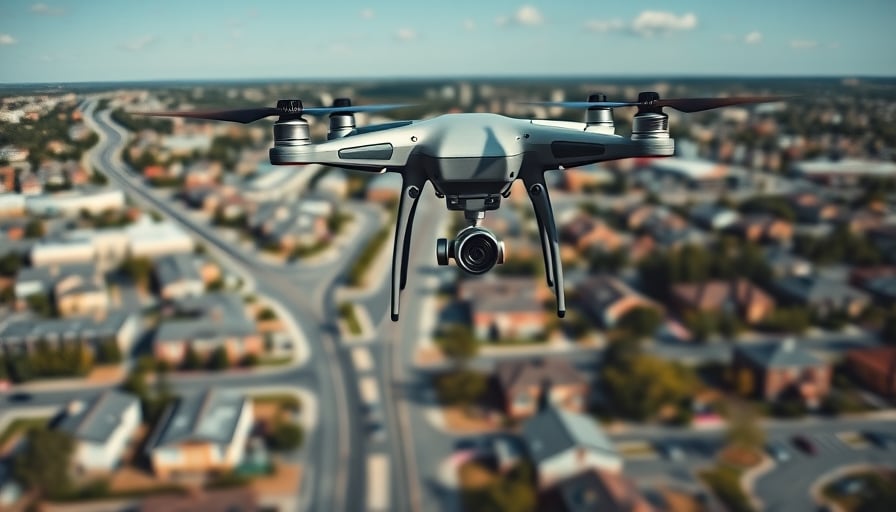
Walmart’s investment in drone delivery aligns with a broader shift toward last‑mile automation across the retail industry. By extending drone services to more than 200 stores by 2027, the company aims to shorten delivery times, reduce labor costs, and enhance customer convenience. The initiative is also expected to strengthen Walmart’s supply‑chain resilience, an increasingly critical factor amid global disruptions. Comparatively, competitors such as Amazon and Target have already piloted drone delivery, creating a competitive imperative for Walmart to keep pace. The company’s scale, extensive network of distribution centers, and advanced data analytics capabilities position it well to achieve economies of scale and operational efficiency in this emerging segment.
Leveraging Artificial Intelligence for Enhanced Customer Experience
The partnership with Google’s Gemini AI platform represents a strategic move into conversational commerce. By integrating Gemini’s natural‑language processing capabilities, Walmart offers customers a seamless interface for browsing and purchasing products. This approach can shorten the decision‑making process, reduce friction at checkout, and provide personalized recommendations based on real‑time user intent. From a financial perspective, reduced search and checkout times may translate into higher conversion rates and increased average order value. Moreover, the AI integration supports Walmart’s broader digital transformation agenda, reinforcing its competitiveness against e‑commerce incumbents and newer omnichannel entrants.
Broader Market Context and Investor Sentiment
Consumer staples, including discount retailers, have historically been viewed as defensive assets during periods of market volatility. Walmart’s stock performance has mirrored this trend, with modest gains reflecting underlying stability in consumer demand for essential goods. Investors have also shown confidence in Walmart’s ability to adapt to technological disruptions while maintaining robust profit margins. The company’s free‑cash‑flow generation and disciplined capital allocation—through share buybacks and targeted investment in high‑impact initiatives—have reinforced its valuation resilience.
Cross‑Sector Implications and Economic Drivers
Walmart’s drone‑delivery and AI‑powered shopping initiatives illustrate the convergence of retail, logistics, and technology sectors. As logistics costs rise and consumer expectations for instant gratification intensify, retailers that integrate advanced delivery technologies and AI will likely capture market share. The initiatives also signal to the broader economy that automation can coexist with job creation in ancillary roles such as maintenance, oversight, and data analysis. Furthermore, Walmart’s efforts contribute to the digitalization of the supply chain, potentially lowering transaction costs for small and medium‑sized suppliers that rely on the retailer’s platform for market access.
Conclusion
Walmart Inc. demonstrates a clear strategic trajectory that balances foundational retail strength with forward‑looking technology integration. By expanding drone‑delivery capabilities and adopting AI‑driven conversational commerce, the company strengthens its competitive positioning in an increasingly digital marketplace. These moves, coupled with the defensive appeal of the consumer staples sector and robust investor confidence, position Walmart to sustain its momentum amid a dynamic retail environment.