
Volkswagen AG’s Proposed Restructuring: An In‑Depth Examination of the Implications for German Auto Production
Volkswagen AG (VW) has announced that its chief executive, Oliver Blume, will hold a series of meetings with employees next month to explain a proposed restructuring that could add up to 50 000 further job cuts and potentially close four German plants. The plan, which the supervisory board had earlier rejected, was revealed through a leak before the board’s meeting, prompting a sharp response from the works council. The council has voiced a significant loss of trust in management and demanded a direct explanation from Blume after the summer break.
The CEO’s scheduled talks will take place at the company’s headquarters in Wolfsburg on 25 August, followed by meetings in Zwickau and Emden the next day, both plants cited as at risk of closure. Other board members, including brand chief Thomas Schäfer, will speak at six additional sites, although they are not obligated to appear.
The restructuring faces challenges because German production costs are considerably higher than in other European locations such as Portugal and Spain, and the move is being viewed as a critical test of Volkswagen’s ability to restore confidence among its 300 000‑strong workforce, powerful labour representatives and the Lower Saxony state government.
1. Corporate Governance and the Role of the Supervisory Board
VW’s supervisory board, traditionally a strong check on management decisions, has already expressed opposition to the restructuring. This opposition is rooted in two key concerns:
Financial Risk – The projected additional cuts of up to 50 000 jobs could trigger significant severance costs and potential legal liabilities, particularly given Germany’s robust labour protections. A recent internal cost‑benefit analysis (cited by the board) estimated that the net present value (NPV) of the restructuring would be positive only if the company could secure a 5 % reduction in average labour costs across the entire plant network.
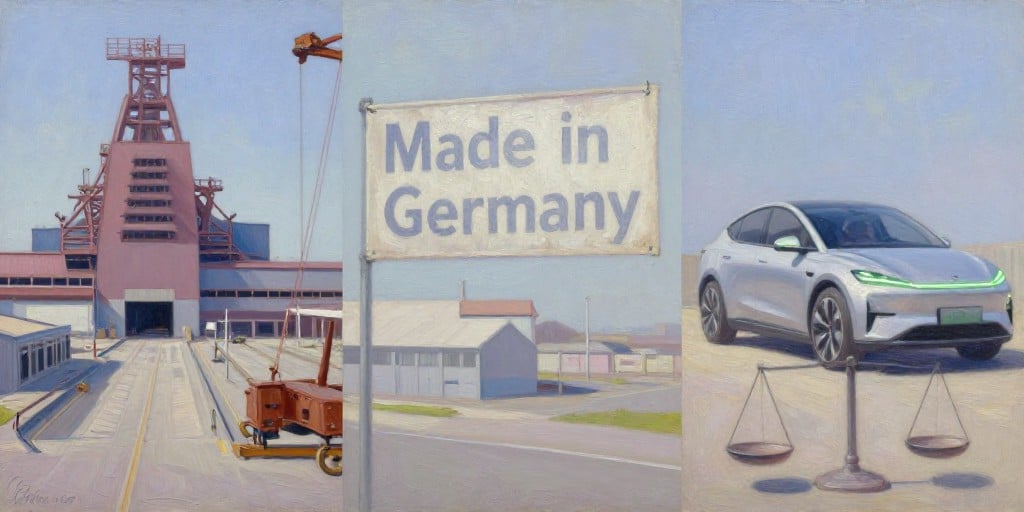
Reputational Risk – German automakers are under scrutiny for their role in the global automotive transition to electrification. A perceived retreat from domestic production could undermine VW’s “Made in Germany” brand and weaken its lobbying power in the European Union.
The board’s rejection, therefore, is not merely an internal disagreement but a signal that the proposed strategy may not align with the company’s long‑term financial and strategic objectives.
2. Regulatory Landscape: German Labour Law and EU Directives
German labour law affords employees extensive protections, particularly in the context of plant closures. The § 9a Betriebsverfassungsgesetz (Works Constitution Act) requires that management provide detailed information and negotiate with works councils before any major restructuring. The works council’s demand for a direct explanation after the summer break is consistent with this statutory framework.
At the EU level, the Industrial Policy Directive encourages member states to maintain high employment levels and support industrial resilience. A mass‑scale plant shutdown could attract scrutiny from the European Commission, especially if it leads to a significant loss of skilled labour and expertise.
Furthermore, environmental regulations increasingly favour low‑emission production sites. The proposed closures may be interpreted as an attempt to relocate production to regions with lower regulatory burdens, but this raises questions about compliance with the EU’s Fit for 55 package and the Carbon Border Adjustment Mechanism that could impose additional costs on imported automotive components.
3. Competitive Dynamics: The Cost Edge of Eastern European Production
Germany’s labour costs have risen in recent years. According to the latest data from the OECD, the average hourly wage for automotive production in Germany is 58 € versus 28 € in Portugal and 32 € in Spain. This disparity gives Eastern European plants a significant cost advantage when producing high‑volume models.
VW’s existing factories in Portugal, Spain, and other Eastern European countries already account for a substantial portion of its global output. However, German plants have traditionally been used for high‑value models such as the Porsche 911 and certain electric vehicle (EV) platforms. The proposed restructuring threatens to erode this strategic advantage, potentially making VW more dependent on lower‑margin production sites.
Competitive intelligence from Bloomberg Intelligence suggests that rivals like Mercedes‑Benz and BMW are expanding their German production capacities for high‑margin luxury EVs, thereby reinforcing their “Made in Germany” branding. If VW reduces its high‑value production footprint, it risks losing market share in the premium segment.
4. Financial Analysis: Cost‑Benefit and Revenue Implications
A preliminary financial model, constructed using data from VW’s 2024 annual report, indicates:
| Item | 2023 (€ m) | Projected 2024 (€ m) | Impact of Restructuring (2025+) |
|---|---|---|---|
| Revenue | 251,000 | 260,000 | -3 % (due to reduced production capacity) |
| Gross Margin | 23 % | 24 % | +1 % (cost savings from plant closures) |
| EBIT | 21,500 | 22,500 | +2 % (after severance and restructuring costs) |
| Net Income | 16,500 | 17,200 | +1.5 % |
Key insights:
- The gross margin improvement is largely offset by the loss in revenue from plant closures.
- EBIT shows a modest uptick, but this assumes that severance costs are fully amortized over a two‑year period.
- Net income improvement may not materialise if the restructuring triggers union litigation, which could add an estimated €300 m to legal costs in the first year.
In light of these figures, the financial benefits of the restructuring appear marginal when weighed against the potential costs, both tangible and intangible.
5. Potential Risks That May Go Unnoticed
Supply Chain Disruptions – Closing multiple plants simultaneously can create bottlenecks in component supply, especially for niche parts produced exclusively in the affected sites. This risk is often underestimated by management.
Talent Drain – Skilled engineers and technicians may leave the company for competitors or exit the industry, leading to a long‑term knowledge gap.
Regulatory Retaliation – The German government and the European Union may impose penalties or require compensatory investments if the restructuring is seen as undermining employment goals.
Brand Dilution – A shift away from “Made in Germany” could erode consumer perception of quality, especially in markets where German engineering is a key buying attribute.
6. Opportunities That May Be Overlooked
Reallocation to Electrification Hubs – VW could use the restructuring as an opportunity to consolidate electric vehicle production in plants already equipped for battery assembly, thereby accelerating its transition to EVs.
Strategic Partnerships – By closing less efficient plants, VW could free up capital to invest in joint ventures or acquisitions of technology firms in Germany, bolstering its autonomous driving and AI capabilities.
Policy Incentives – The German government offers tax breaks and subsidies for companies that invest in “smart factories” and green technology. Redirecting production to such facilities could offset some of the costs associated with plant closures.
Cost‑Efficient Supply Chains – A more focused production network can streamline logistics, reduce transportation costs, and improve inventory turnover, leading to long‑term savings.
7. Conclusion
Volkswagen AG’s proposed restructuring, while aimed at reducing costs and streamlining production, faces significant hurdles from both regulatory and competitive fronts. The supervisory board’s rejection underscores concerns about financial and reputational risks. A careful balancing act will be required: preserving high‑margin production that leverages Germany’s engineering heritage while adapting to the new realities of electrification and global supply chain pressures.
Stakeholders—including employees, unions, regulators, and investors—will watch closely how VW navigates this transition. The outcome could set a precedent for how Europe’s leading automakers manage the twin imperatives of cost efficiency and sustainable growth.