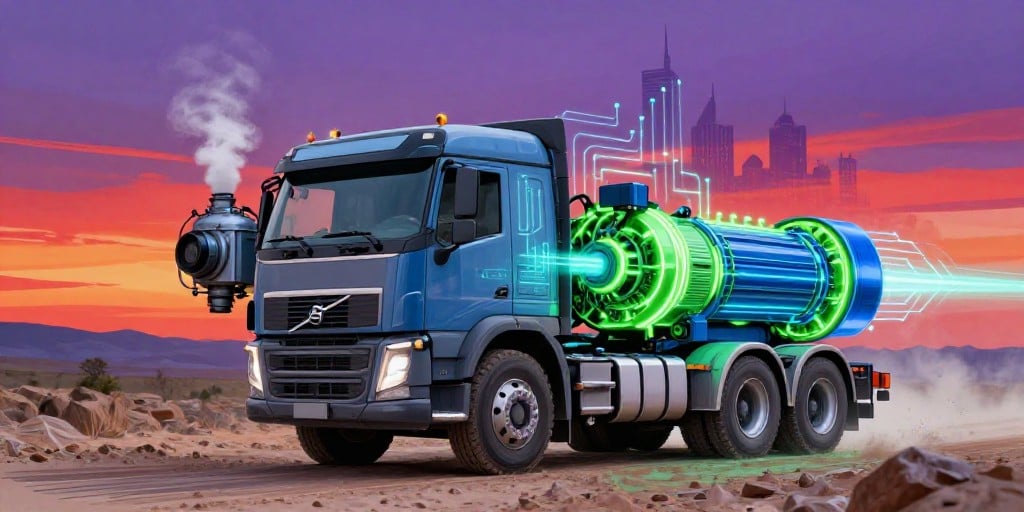
Corporate Analysis of Volvo’s Market Position and Strategic Adaptation
Volvo’s positioning within the global heavy‑equipment and automotive landscape illustrates a company that is simultaneously anchored in legacy diesel technology while actively pursuing electrified and advanced propulsion solutions. The firm’s strategic trajectory reflects a broader industry shift toward sustainability, coupled with a nuanced understanding of the economic and regulatory drivers that shape competitive advantage.
1. Sector‑Specific Dynamics and Market Drivers
1.1 Traditional Diesel as a Persistent Asset
Heavy‑equipment manufacturers continue to rely on diesel engines for their robustness, established supply chains, and proven reliability. For Volvo, diesel remains a cornerstone of its product portfolio, particularly within construction, mining, and material handling segments. The continued demand for diesel‑powered machinery—especially in emerging markets where electrification infrastructure lags—provides a stable revenue base that cushions the company against volatility in alternative power‑train adoption.
1.2 Emergence of Alternative Propulsion
In parallel, battery electric, hydrogen fuel‑cell, and next‑generation combustion technologies are gaining traction. Regulatory frameworks such as the European Union’s Zero‑Emission Vehicle (ZEV) mandates and the United States’ Clean Air Act amendments create a compelling push for electrification. Volvo’s investment in battery electric trucks and hydrogen‑powered generators demonstrates a deliberate response to these policy incentives, ensuring compliance while positioning the firm as a technology leader.
1.3 Cross‑Industry Synergies
Volvo’s expertise in safety, connectivity, and autonomous driving—core competencies developed through its passenger‑vehicle division—translates effectively into its commercial and construction divisions. The integration of advanced driver assistance systems (ADAS) and vehicle‑to‑everything (V2X) communications across product lines enables a unified technology roadmap, reducing development costs and accelerating time‑to‑market for new power‑train offerings.
2. Competitive Positioning
Volvo’s strategic balance between diesel and electrification creates a differentiated market stance. While major automakers such as Ford and General Motors have intensified investment in dedicated electric vehicle (EV) platforms, Volvo maintains a dual‑track approach:
- Legacy Strength: Leveraging existing diesel manufacturing infrastructure to serve markets with high diesel penetration.
- Future Flexibility: Allocating R&D resources to battery‑electric and hydrogen platforms, ensuring readiness for stricter emissions standards and shifting customer preferences.
This duality affords Volvo the ability to mitigate risks associated with rapid electrification cycles, preserving cash flows from diesel sales while cultivating growth in high‑margin electrified segments.
3. Economic Context and Investor Implications
The recent financial analyses underscore a trend of incremental shareholder value appreciation. A decade‑long investment in Volvo’s shares has generated significant capital gains, while a one‑year period also reflects positive returns—indicating that the market perceives Volvo’s long‑term strategy as sound. Analysts interpret these trends as evidence of confidence in the company’s ability to navigate the transition without compromising profitability.
Economic factors influencing this perception include:
- Capital Expenditure (CapEx) Management: Volvo’s disciplined CapEx allocation across diesel and electric platforms reduces financial leverage risk.
- Regulatory Forecasts: Anticipated tightening of emissions regulations globally will likely increase demand for electrified solutions, aligning with Volvo’s product roadmap.
- Supply Chain Resilience: By diversifying its supply base and securing key battery cell partnerships, Volvo reduces exposure to semiconductor and raw material volatility.
4. Broader Industry Trends
Volvo’s trajectory mirrors a broader automotive industry pivot toward electrification and digitalization. Key trends include:
- Electrification Acceleration: Global sales of electric commercial vehicles are projected to rise from 2% to over 20% by 2030.
- Connectivity and Safety: The integration of ADAS, V2X, and AI‑driven decision‑making is becoming a prerequisite for competitive differentiation.
- Sustainability Mandates: Corporate sustainability reporting now incorporates lifecycle emissions, prompting manufacturers to optimize both new and existing fleets.
Volvo’s dual focus allows it to capture emerging market segments while maintaining a foothold in traditional revenue streams—a strategic alignment that investors view as prudent and forward‑looking.
5. Conclusion
Volvo’s current market positioning is emblematic of a company that acknowledges the permanence of diesel technology while committing to electrified alternatives. By leveraging its established competencies in safety and connectivity, the firm is well‑positioned to meet evolving regulatory demands and consumer expectations. The steady appreciation in shareholder value, coupled with a diversified product mix, suggests that Volvo’s balanced strategy is resonating with investors and may serve as a model for other manufacturers navigating similar transitional landscapes.