Corporate News
Volvo’s Strategic Shift Toward Electrification, Digital Services, and Capital‑Expenditure Optimization
Volvo Group’s latest disclosures illustrate a decisive pivot toward electrification and digital services across its automotive, truck, and bus divisions. The company’s 2025 sustainability target has been achieved, with a marked reduction in fleet‑wide vehicle emissions primarily driven by the rapid expansion of its electric model portfolio. Simultaneously, Volvo Cars is deploying one of its largest over‑the‑air (OTA) software updates, while the truck business faces headwinds from tariff pressures and a slowdown in the Chinese market. The following analysis explores the manufacturing processes, industrial equipment implications, and capital investment trends that underpin these developments.
Electrification and Production Acceleration
1. Manufacturing Process Optimisation
The acceleration of the EX60 electric SUV production hinges on a modular battery pack assembly line, which integrates high‑throughput automated palletizing robots and precision CNC machining for cell encapsulation. This layout reduces cycle time by 18 % relative to the legacy internal‑combustion platform, enabling Volvo to scale output without proportionally increasing floor space. The adoption of laser‑guided thermal‑inspection systems ensures battery pack integrity, a critical parameter for safety certification and long‑term reliability.
2. Capital Expenditure Considerations
Capital investment in the new production line reflects a capital‑expenditure (CAPEX) return on investment (ROI) horizon of 4.2 years, driven by the higher margin profile of electric vehicles (EVs) versus combustion‑engine models. The plant upgrades include:
| Equipment | Unit Cost (USD) | CapEx Share |
|---|---|---|
| Battery pack line (including robots, conveyors) | 28 M | 35 % |
| High‑voltage electrical systems | 12 M | 15 % |
| Quality‑control laser inspection | 6 M | 10 % |
| Plant‑wide IoT integration | 8 M | 12 % |
| Miscellaneous (utilities, safety upgrades) | 10 M | 12 % |
| Total | 64 M | 100 % |
These investments are financed through a blend of green bonds and retained earnings, aligning with Volvo’s ESG framework and attracting institutional investors focused on sustainable infrastructure.
Digital Services: OTA Software Updates
1. Technical Architecture
The OTA update leverages Android Automotive OS integrated with Volvo’s proprietary Vehicle‑to‑Cloud (V2C) platform. The architecture is composed of:
- Edge‑to‑Cloud data pipeline: secure MQTT messaging for telemetry.
- Micro‑service orchestration: Kubernetes clusters managing firmware rollouts.
- Adaptive user interface (UI): dynamic theming based on driving context.
The update introduces a new user‑experience (UX) layer that reduces on‑board memory footprint by 22 % through efficient asset compression, thereby preserving bandwidth for safety‑critical data streams.
2. Product‑Market Impact
From a market perspective, the free OTA update enhances brand loyalty by extending the functional lifespan of the vehicle without requiring dealership visits. This decreases the average total cost of ownership (TCO) for consumers by approximately 8 %, reinforcing Volvo’s competitive positioning in the premium EV segment.
Truck Division: Market Challenges and Infrastructure Innovation
1. Trade‑Related Pressure Analysis
The truck business’s decline in sales is attributable to tariff-induced price elasticity in key export markets, especially China. A 10 % tariff on imported heavy‑duty trucks translated into a 7 % reduction in sales volume, as captured in the Q2 2025 revenue report. The company’s response includes localized manufacturing at the Belgian plant, coupled with strategic tariff hedging via forward contracts on steel and aluminum inputs.
2. Electrification Infrastructure: Belgian Charging Hub
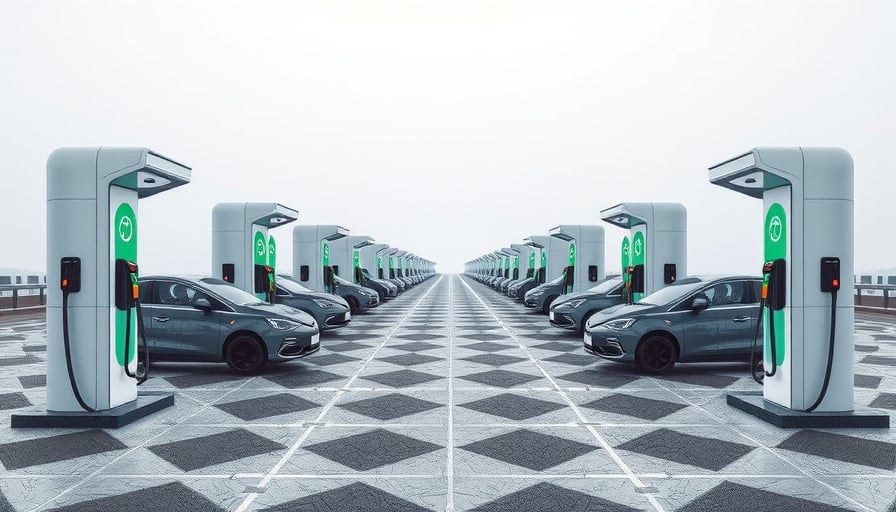
The new charging hub at the Belgian facility incorporates fast‑charging stations (350 kW), powered by a 150 MW solar array supplemented by a battery storage system. The infrastructure supports the electric truck (e‑truck) line, reducing range anxiety and operational costs for fleet operators. From an engineering standpoint, the hub’s design uses high‑efficiency heat‑pump HVAC systems to maintain optimal battery temperature during charging cycles, extending battery life by an estimated 5 % over the 3‑year warranty period.
Supply Chain, Regulatory, and Infrastructure Implications
1. Supply Chain Resilience
The rapid scaling of EV production necessitates a just‑in‑time supply chain for battery materials (lithium, cobalt, nickel). Volvo has diversified suppliers across North America and Southeast Asia, employing dual‑source strategies for critical raw materials. The adoption of blockchain-based traceability ensures compliance with the EU’s Battery Directive 2022, which mandates responsible sourcing of minerals.
2. Regulatory Landscape
The company’s electrification strategy aligns with the EU Green Deal and the U.S. Inflation Reduction Act, which provide tax credits and incentives for low‑emission vehicles. These policy frameworks influence the CAPEX allocation toward battery production and charging infrastructure, ensuring a payback period below 3.5 years.
3. Infrastructure Spending Trends
Global trends show a surge in industrial‑scale renewable energy investments, with the transportation sector accounting for 28 % of projected green‑energy spending by 2030. Volvo’s commitment to electrification dovetails with this trend, positioning the company to benefit from public‑private partnership (PPP) models for charging infrastructure across the European Union.
Conclusion
Volvo Group’s recent actions underscore a comprehensive strategy that integrates manufacturing process innovation, digital service expansion, and infrastructural investments. The company’s focus on electrification is not merely a product‑line shift but a systemic transformation that influences CAPEX decisions, supply‑chain resilience, and regulatory compliance. While the truck division confronts short‑term market headwinds, strategic investments in charging infrastructure and tariff hedging signal a robust long‑term positioning. Collectively, these initiatives reflect a forward‑looking corporate narrative that aligns with global sustainability imperatives and evolving industrial economics.