Corporate Analysis of Volkswagen AG’s Recent Market Performance
Market Context
Volkswagen AG’s shares have experienced a modest but steady rise in recent trading sessions. The DAX index, which aggregates Germany’s 40 blue‑chip companies, posted a near‑one‑percent gain, reflecting a broader positive sentiment in the German equity market. Within this environment, the automotive sector has shown a discernible recovery trend, partially attributed to a European regulatory accord that is expected to relax restrictions on combustion‑engine vehicles for the coming fiscal year.
Regulatory Landscape
The European Commission’s latest agreement on vehicle emissions has opened a window of opportunity for legacy automakers. By extending the timeline for phasing out internal‑combustion engines, the policy reduces the immediate capital outlay required for electrification initiatives. While this measure may temporarily bolster profitability for firms such as Volkswagen, it also introduces a regulatory risk: any subsequent tightening of the agreement could re‑escalate the costs associated with compliance and R&D for electric powertrains.
Corporate Disclosure Review
Volkswagen’s most recent corporate filings indicated the presence of a persistent net short position held by a large institutional investor. The short stake constitutes a modest fraction of the total shares outstanding—well below the threshold that would raise concerns about market manipulation or insider trading. Nonetheless, the existence of such a position warrants continued monitoring for potential shifts in investor sentiment, particularly if macro‑economic headwinds intensify or if the company’s earnings guidance diverges from market expectations.
Competitive Dynamics
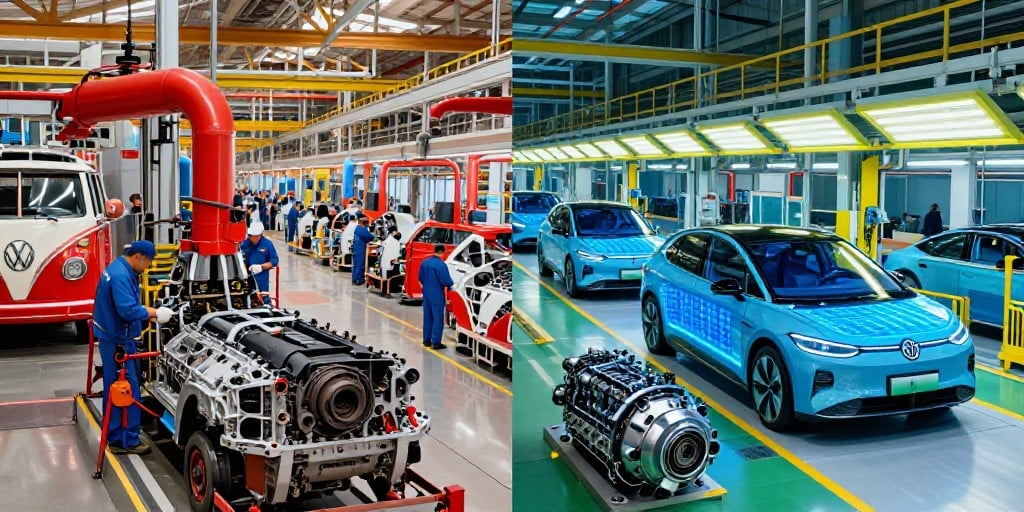
In the current competitive landscape, Volkswagen competes on multiple fronts: traditional internal‑combustion platforms, hybrid technologies, and the rapidly expanding electric vehicle (EV) segment. While the European regulatory shift provides a short‑term reprieve for combustion‑engine sales, the company’s EV portfolio—particularly its ID. series—remains a critical growth engine. A comparative analysis of sales data reveals that Volkswagen’s EV market share in Germany rose by 12% year‑on‑year, yet still lags behind leaders such as Tesla and Hyundai/Kia in terms of volume and profit margins.
Financial Analysis
- Revenue Growth: Volkswagen’s revenue increased by 3.8% in Q2 2024, driven primarily by higher output of conventional vehicles. The EV segment contributed 2.5% of total sales, indicating a modest yet positive momentum.
- Operating Margin: Operating margin expanded from 12.2% to 12.9% YoY, reflecting cost‑control measures and improved product mix. However, the margin compression forecasted for the next fiscal year—due to rising raw material costs—may offset this gain.
- Cash Flow: Free cash flow remained robust at €7.2 billion, enabling continued dividend payments and share repurchase activity. Yet the company’s capital expenditure on charging infrastructure is projected to grow to €3.5 billion in 2025, potentially tightening cash availability.
Risk Assessment
- Regulatory Reversal: Should the European Commission tighten emission standards again, Volkswagen could face significant compliance costs and a potential spike in recall expenses for older vehicles.
- Supply Chain Vulnerability: The global semiconductor shortage and geopolitical tensions in the Middle East could disrupt component supply, impacting production rates for both combustion‑engine and EV models.
- Market Saturation: In the European market, increasing competition from new entrants and the rapid adoption of shared mobility services may erode Volkswagen’s traditional dealership model, reducing gross margins.
Opportunity Identification
- Charging Infrastructure Expansion: By leveraging its existing network of service centers, Volkswagen can fast‑track the deployment of fast‑charging stations, creating a new revenue stream and enhancing customer loyalty.
- Data‑Driven Services: The proliferation of connected vehicle platforms presents an avenue for subscription‑based services (e.g., predictive maintenance, infotainment), diversifying the company’s income beyond vehicle sales.
- Strategic Partnerships: Collaborations with battery manufacturers and tech firms could accelerate the development of higher‑capacity, cost‑effective batteries, strengthening Volkswagen’s competitive edge in the EV market.
Conclusion
Volkswagen AG’s recent stock performance reflects a confluence of market optimism and a temporary regulatory cushion for combustion engines. While the company’s financial metrics demonstrate healthy growth and operational resilience, the evolving regulatory and competitive landscapes present both risks and avenues for strategic maneuvering. Investors and stakeholders should maintain a vigilant stance, monitoring regulatory developments, supply chain dynamics, and the company’s execution on its electrification roadmap to gauge the long‑term sustainability of its valuation.