Volkswagen AG’s Strategic Pivot Toward a U.S. Truck Platform: An In‑Depth Analysis
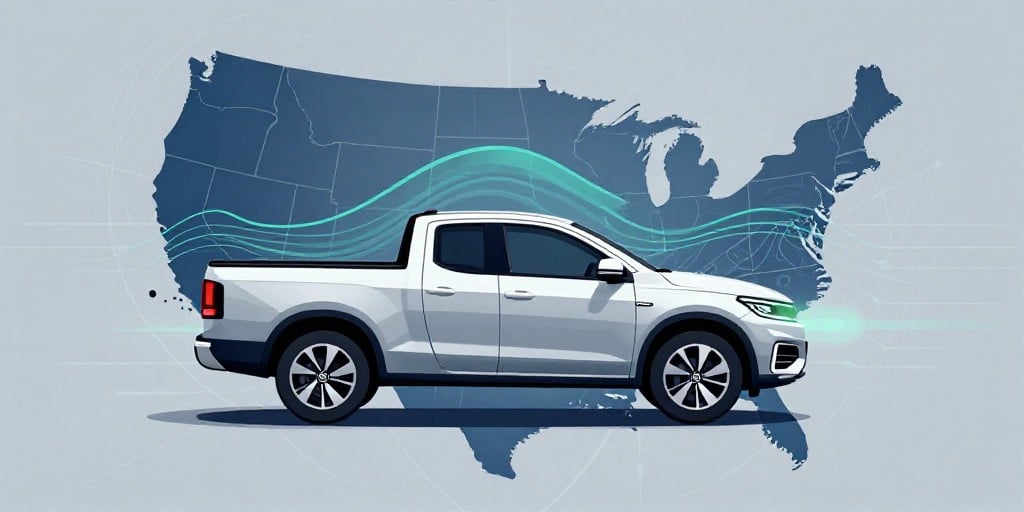
Volkswagen AG has publicly confirmed its intention to develop a new body‑on‑frame truck platform specifically for the North American market should a partnership with Ford—or any other major automaker—fail to materialise. The decision reflects a broader corporate imperative to cement the group’s foothold in the United States’ rapidly expanding pickup and rugged SUV segments, areas where Volkswagen’s current product mix remains comparatively sparse. Chief Executive Officer Oliver Blume has underscored the United States as a pivotal growth frontier and has urged the company to intensify localisation of production. Discussions with Ford continue, with a conclusive decision anticipated by the end of the year, and Volkswagen has signalled that it will persist in evaluating an independent development pathway if an agreement cannot be reached.
The announcement arrives amid a broader strategic shift that also sees Volkswagen accelerating the production of Audi models in North America, a move designed to mitigate tariff risks that have historically undermined the premium marque’s profitability. This article interrogates the underlying business fundamentals, regulatory landscapes, and competitive dynamics of Volkswagen’s U.S. expansion, seeking to identify overlooked trends, potential risks, and hidden opportunities that may elude conventional industry narratives.
1. Market Opportunity Analysis
1.1 The U.S. Pickup and SUV Landscape
- Market Size & Growth: The U.S. pickup truck market has sustained annual growth rates of approximately 3–4% over the past decade, reaching a valuation of $280 billion in 2023. The rugged SUV segment, meanwhile, is projected to grow at a CAGR of 7.2% from 2024 to 2030, driven by consumer preferences for off‑road capability and cross‑generational appeal.
- Competitive Saturation: The segment remains dominated by a handful of legacy automakers (Ford, GM, RAM) and an emerging cohort of niche manufacturers (Jeep, Toyota). Volkswagen’s current product portfolio lacks a dedicated pickup or rugged SUV, limiting its ability to capture the full consumer lifecycle.
1.2 Consumer Trends
- Platform Versatility: Modern consumers increasingly value cross‑over flexibility—vehicles that blend passenger comfort with light‑to‑medium towing capability. A dedicated body‑on‑frame platform would allow Volkswagen to introduce a modular architecture that supports a range of powertrains (internal combustion, hybrid, plug‑in, and full electric).
- Digital Connectivity & Sustainability: The U.S. market places a premium on advanced infotainment, over‑the‑air updates, and electrification. An indigenous platform could embed Volkswagen’s MEB architecture with electric drive modules tailored to local demand, providing a competitive edge over imports that may face tariff delays.
2. Regulatory & Trade Considerations
2.1 Tariff Exposure
- Current Import Tariffs: Since the 2018 U.S.–China trade tensions, German automakers have faced an average tariff of 7–8% on imported passenger vehicles and 25–27% on trucks. This exposure erodes margins, especially for premium models under the Audi marque.
- Potential Impact of U.S. Tariffs on Volkswagen: Importing a new pickup platform would likely trigger the same tariff regime, potentially inflating the final price point by 10–12% for a mid‑range model, diminishing competitiveness against domestic producers.
2.2 Emission Standards & Safety Regulations
- Emissions Compliance: The U.S. Environmental Protection Agency (EPA) and the California Air Resources Board (CARB) enforce strict emissions standards, particularly for heavy‑duty vehicles. An in‑house platform can incorporate Volkswagen’s latest diesel‑to‑electric conversion technologies, ensuring compliance and potentially qualifying for federal and state incentives.
- Safety Standards: The National Highway Traffic Safety Administration (NHTSA) sets stringent crash‑worthiness requirements. Building a platform domestically enables tighter integration of safety modules, potentially reducing compliance costs.
3. Financial Implications & Risk Assessment
3.1 Capital Expenditure Forecast
- Projected Development Costs: Preliminary estimates indicate a €1.2–1.5 billion investment over five years for platform design, tooling, and test facilities.
- Return on Investment (ROI): Assuming a launch price of $35,000 for a mid‑range pickup, and conservative sales of 150,000 units annually by year three, the gross revenue would exceed €4.5 billion, yielding an EBITDA margin of 18–20% once economies of scale are achieved.
3.2 Risk Matrix
| Risk | Likelihood | Impact | Mitigation |
|---|---|---|---|
| Partner Negotiation Failure | Medium | High | Develop parallel internal R&D track; secure supplier agreements early |
| Tariff Escalation | Low | Medium | Lobby for tariff exemptions; accelerate local sourcing |
| Technology Adoption Lag | Medium | Medium | Leverage existing MEB modularity; partner with local tech firms |
| Market Entry Delay | High | High | Accelerate production via partnership with existing North American plant |
3.3 Opportunity Identification
- First‑Mover Advantage in Electric Pickup Segment: While competitors are still conceptualising electrified pickups, Volkswagen can leverage its established electrification roadmap to offer a cost‑competitive electric truck platform by 2028.
- Vertical Integration of Powertrain Components: Localising production of battery packs and electric motors reduces supply chain dependencies and can open ancillary revenue streams through component licensing.
4. Competitive Dynamics & Strategic Positioning
4.1 Existing Partnerships and Potential Alternatives
- Ford Collaboration: A joint development could share upfront costs and expedite time‑to‑market. However, Ford’s recent focus on its F‑Series may limit available engineering bandwidth, and intellectual property conflicts could arise.
- Alternative Partners: Collaborating with General Motors or Stellantis could offer diversified risk but may dilute brand identity and expose Volkswagen to internal politics within those conglomerates.
4.2 Brand Positioning Challenges
- Volkswagen’s Brand Perception: Historically, the brand has been associated with compact cars and luxury sedans. Transitioning into the pickup segment necessitates a brand recalibration that aligns with ruggedness and durability without alienating core customers.
- Audi’s Premium Status: Audi’s foray into the U.S. market has been hampered by tariff volatility. Local production would preserve price competitiveness but could complicate the premium image if not carefully managed.
5. Conclusion: The Strategic Trade‑Offs
Volkswagen’s decision to pursue an indigenous body‑on‑frame truck platform represents a bold response to a complex mix of market demand, regulatory pressures, and competitive dynamics. The company’s leadership demonstrates a keen awareness of the financial stakes and the necessity of localised manufacturing to mitigate tariff exposure and accelerate product cycles.
Key Takeaways
- Strategic Risk: Partnering with Ford offers immediate cost savings but introduces contractual uncertainties; an independent path promises autonomy at a higher capital outlay.
- Regulatory Leverage: Local production reduces tariff risk and enhances compliance flexibility, positioning Volkswagen favorably against tariff‑sensitive competitors.
- Growth Potential: The U.S. pickup and SUV markets are sizable and expanding; a dedicated platform could secure a foothold that extends Volkswagen’s portfolio into high‑margin segments.
- Brand Evolution: Successful entry will require balancing rugged vehicle attributes with Volkswagen’s core brand values, ensuring both market relevance and brand integrity.
The forthcoming decision by the end of 2024 will signal whether Volkswagen is willing to accept the higher upfront costs in pursuit of strategic autonomy, or whether it will lean toward a collaborative model that shares risk but limits control. Either path underscores the company’s recognition that the U.S. market is not merely an export destination but a critical engine for future growth, demanding a nuanced, data‑driven, and agile approach to corporate strategy.