
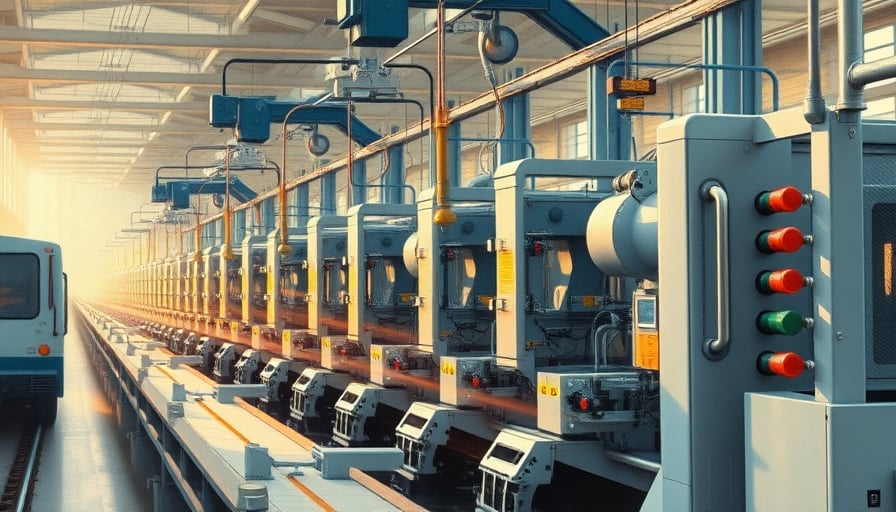
Volkswagen AG Repurposes Dresden Assembly Site into Innovation Hub
Volkswagen AG has announced that its long‑standing Dresden assembly plant will be converted into a dedicated innovation hub focused on artificial intelligence, robotics, and semiconductor technology. The move underscores the German automaker’s strategic pivot toward high‑technology development while preserving domestic manufacturing capacity.
Alignment with Domestic Production Policy
The company confirmed that the Dresden facility will remain operational, in line with its broader commitment to prevent plant closures within Germany. This decision reflects a recognition that maintaining a physical production footprint can support supply chain resilience and local employment, even as the company expands its R&D portfolio.
Public‑Private Collaboration
The transformation will be executed in partnership with the state of Saxony and the Technical University of Dresden. Together, they will establish a startup and research centre designed to accelerate progress in key technological domains, notably:
- Artificial Intelligence – leveraging machine‑learning algorithms for vehicle design, predictive maintenance, and autonomous driving systems.
- Robotics – developing advanced robotic assembly lines capable of adapting to high‑volume, low‑cost production.
- Semiconductor Technology – addressing the global chip shortage by fostering in‑house expertise for next‑generation automotive chips.
This collaboration exemplifies a growing trend in the automotive sector, where state institutions provide infrastructure, funding, and talent pipelines to accelerate innovation.
Implications for the Electric‑Vehicle Market
Volkswagen’s restructuring of the Dresden plant coincides with scrutiny from the European Commission over a price undertaking submitted by Volkswagen Anhui, the company’s joint venture in China. The commission is reviewing the proposal’s feasibility and its potential to address concerns about subsidies on China‑made electric vehicles. The outcome will shape the competitive landscape for EVs across the European Union and could influence pricing strategies and supply‑chain decisions for German manufacturers.
Strategic Shift Toward Technology‑Driven Growth
These developments illustrate Volkswagen’s deliberate shift toward technology‑driven growth, balancing the need for regulatory compliance with an aggressive push into high‑value sectors. By integrating AI, robotics, and semiconductor research into its manufacturing ecosystem, Volkswagen aims to:
- Enhance product differentiation through cutting‑edge technologies.
- Mitigate risks associated with supply‑chain disruptions, particularly in semiconductors.
- Strengthen its position in the rapidly evolving EV market while maintaining compliance with European antitrust and subsidy regulations.
The company’s dual focus on maintaining domestic production and fostering innovation reflects a broader industry trend: automakers are redefining the traditional plant model into multifunctional hubs that combine manufacturing, research, and development. This approach not only safeguards jobs but also ensures that the firm remains at the forefront of the technologies that will shape the future of mobility.
Broader Economic Context
Volkswagen’s initiative aligns with several macroeconomic factors:
- Supply Chain Resilience – The global chip shortage has highlighted the need for localized, technologically advanced manufacturing.
- EU Green Transition – The European Union’s commitment to decarbonize transport incentivises investment in EV‑related technologies.
- Digitalisation of Industry – The Fourth Industrial Revolution increasingly demands AI and robotics integration across manufacturing processes.
By addressing these dynamics, Volkswagen positions itself to leverage cross‑sector synergies—drawing on advancements in software, materials science, and electronics—to accelerate its transition toward sustainable mobility.
This article provides an objective, analytical overview of Volkswagen AG’s recent corporate actions and their implications within the automotive industry and broader economic landscape.