Executive Summary
Volkswagen AG has recalibrated its strategy in response to a confluence of external trade pressures and internal margin compression. The company’s exposure to U.S. tariff costs has necessitated a reassessment of capital allocation, particularly regarding the planned Audi plant in North America. Simultaneously, Volkswagen is intensifying its focus on cost‑efficient electrified vehicles for high‑volume markets, while expanding its footprint in emerging premium segments. A strategic divestiture of Skoda from China underscores the broader competitive dynamics within the Chinese electric‑vehicle arena. Leadership signals a preference for strategic flexibility, with major investment projects subject to re‑evaluation if tariff levels persist.
Impact of U.S. Tariffs on Capital Expenditure
Financial Implications
- The imposition of significant tariffs on imported automotive components and vehicles has materially eroded profitability for the reporting period.
- Reduced operating margins are projected to manifest in the forthcoming fiscal year, prompting a more cautious stance on future capital outlays.
Reassessed Projects
- The board has postponed the construction of a new Audi manufacturing facility in the United States, citing uncertainty in cost‑effectiveness under current tariff regimes.
- Other planned projects are under review, with a focus on projects that can be insulated from tariff volatility or offer rapid return on investment.
Strategic Shift Toward Electrified Volume Models
Product Portfolio Development
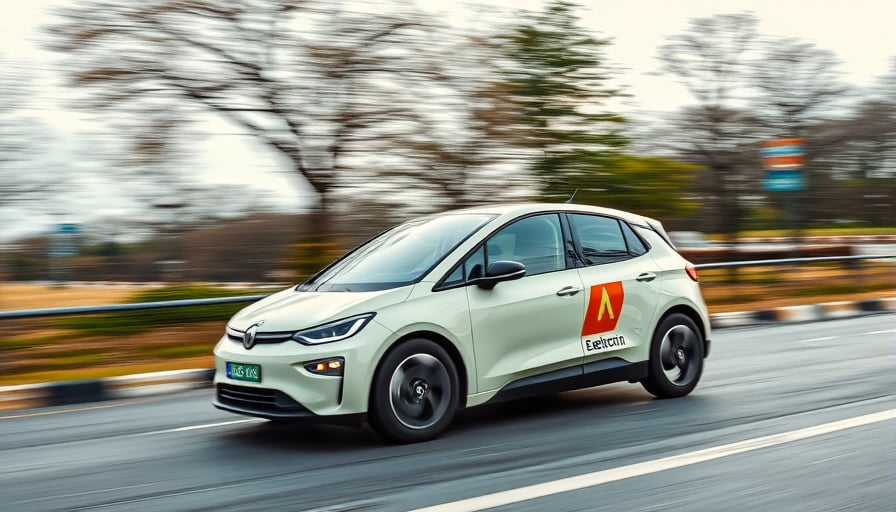
- Volkswagen is accelerating the launch of lower‑priced electric variants, including a compact SUV and a new compact sedan.
- These models are designed to capture mid‑market demand in Europe, where the automaker has recently strengthened its competitive position against rivals such as Tesla and BYD.
Market‑Specific Initiatives
- Europe: The emphasis on volume‑oriented electric vehicles aims to sustain sales growth amid tightening regulatory standards and consumer preference for affordability.
- China: Ongoing collaboration with local partners will facilitate the introduction of multiple new electric vehicles in 2026, leveraging domestic production capabilities and local consumer insights.
- Emerging Premium Markets: A dedicated push into premium segments in India and Southeast Asia is intended to diversify revenue streams and mitigate exposure to price‑sensitive regions.
Skoda’s Exit from the Chinese Market
Rationale
- Persistent sales decline, intensified competition from domestic electric‑vehicle manufacturers, and regulatory complexity have led Skoda, a Volkswagen subsidiary, to discontinue operations in China by mid‑2026.
Post‑Exit Commitments
- Skoda will maintain warranty and after‑sales support for existing customers, ensuring brand reputation continuity despite the withdrawal.
Broader Implications
- The decision reflects a broader trend of foreign automotive brands reassessing their presence in China’s rapidly evolving electric‑vehicle landscape, where local producers often possess a cost and regulatory advantage.
Leadership Outlook and Strategic Flexibility
Executive Positioning
- The chief executive has emphasized the necessity for adaptability in the face of uncertain trade policies.
- Major investment projects will be reassessed continuously, with potential scaling back or realignment if tariff levels remain high.
Fiscal Forecast
- The outlook for the coming year is cautiously optimistic.
- Expected modest revenue growth will hinge on the trajectory of trade policies and the commercial performance of the newly introduced electric‑vehicle lineup.
Cross‑Industry and Economic Context
- Trade Policy Sensitivity: Tariff fluctuations mirror broader geopolitical tensions that impact multiple sectors, notably manufacturing, technology, and consumer goods.
- Electric‑Vehicle Momentum: The shift toward electrification aligns with global decarbonisation goals, influencing not only automotive but also energy and battery manufacturing industries.
- Emerging Markets Dynamics: The focus on premium segments in India and Southeast Asia capitalises on rising disposable incomes and a growing preference for brand differentiation, trends observable across consumer electronics and luxury goods.
Conclusion
Volkswagen AG’s current strategic adjustments illustrate the interplay between external trade pressures and internal operational imperatives. By pivoting toward cost‑effective electrified models, revisiting capital expenditures, and strategically exiting less viable markets, the company aims to safeguard profitability while positioning itself for sustainable growth in a rapidly changing automotive ecosystem.