Volkswagen AG’s Recent Share Price Recovery and the Underlying Headwinds
Volkswagen AG (VW) has managed a modest rebound in its share price after an earlier decline during the week, yet the stock remains trailing behind its larger German counterparts. The partial recovery is symptomatic of deeper, unresolved challenges in the company’s strategy and the broader automotive landscape.
Market Context
The DAX index fell just over one percent, primarily due to pressure from technology shares. Conversely, the automotive sector posted a modest uptick, with VW and BMW among the index’s top performers and Mercedes‑Benz achieving a moderate gain. This divergence underscores the contrasting trajectories of technology and automotive equities amid heightened volatility and investor risk aversion.
China: A Stabilizing Demand Hotspot
A recent study by a leading financial institution noted that VW’s sales volume in China is stabilising, indicating a potential for steadier demand in the region. The same institution upgraded its rating for Porsche AG and Porsche SE to “overweight,” reflecting confidence in the luxury segment’s resilience. The agency also maintained a positive outlook on the wider German automotive supply chain, signalling a gradual rebound in production levels.
Revenue Growth and Supply‑Chain Constraints
Despite positive signals, VW’s revenue growth has not fully recovered. Analysts attribute this shortfall to ongoing supply‑chain constraints, particularly the transition to battery‑electric powertrains. The shift has intensified competition among domestic manufacturers, with foreign brands capturing a larger share of new‑vehicle registrations in recent months. VW’s latest quarterly results illustrate this dynamic: a modest rise in EV sales is offset by a decline in total revenue relative to the prior year.
Competitive Landscape in the Electric‑Vehicle (EV) Segment
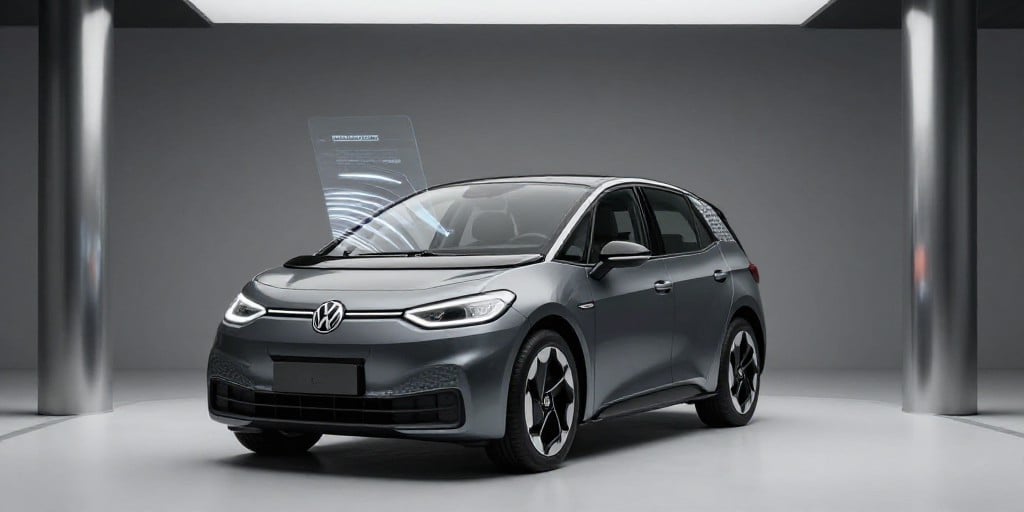
Volkswagen’s EV strategy—centered around the MEB platform—faces stiff competition from both German rivals and foreign entrants. While VW has secured significant market share in the mid‑priced EV segment, competitors such as Tesla and BYD are rapidly expanding their presence in Europe. These foreign brands benefit from scale economies and aggressive pricing strategies that erode VW’s traditional margin structure.
Regulatory Environment and Compliance Costs
European regulatory frameworks continue to tighten emissions standards, pushing manufacturers toward electrification. Compliance costs are rising, and VW’s legacy of diesel technology has left it vulnerable to regulatory penalties. The company’s “Clean Future” initiative, which aims to decarbonise its fleet and supply chain, remains capital intensive and may strain short‑term profitability.
Potential Risks
| Risk | Impact |
|---|---|
| Supply‑Chain Disruptions | Delayed vehicle deliveries, margin compression |
| Regulatory Penalties | Additional costs, reputational damage |
| Competitive Pressure | Loss of market share, pricing wars |
| Capital Allocation | Suboptimal investment in EV vs. legacy vehicles |
Potential Opportunities
| Opportunity | Rationale |
|---|---|
| China Market Stabilisation | Sustained demand could offset European volatility |
| Porsche Upsell | Premium pricing and brand loyalty can drive higher margins |
| Technological Innovation | Advances in battery chemistry could lower costs |
| Strategic Partnerships | Collaborations (e.g., with battery suppliers) may reduce capital outlay |
Conclusion
Volkswagen AG’s recent share price recovery offers a fleeting respite in a landscape fraught with structural uncertainties. While China’s stabilising demand and Porsche’s robust performance provide some optimism, the company’s core fundamentals—particularly revenue growth, supply‑chain resilience, and competitive positioning in the EV arena—remain under strain. Analysts must continue to scrutinise VW’s strategic decisions, regulatory compliance trajectory, and capital deployment efficiency to anticipate the company’s long‑term viability in an increasingly electrified automotive ecosystem.