Volkswagen AG Announces Strategic Shift Toward Tangible Controls and Accelerated Electric Platform Development
Volkswagen AG has outlined a decisive shift in its product strategy in response to stakeholder concerns regarding an overemphasis on digitalised interiors. The current chief executive officer articulated a renewed commitment to physical controls, positioning the brand’s core identity around reliability and user‑friendly design. This article examines the implications of these strategic moves, contextualises them within broader industry dynamics, and evaluates potential impacts on Volkswagen’s competitive positioning.
Re‑Introduction of Physical Controls
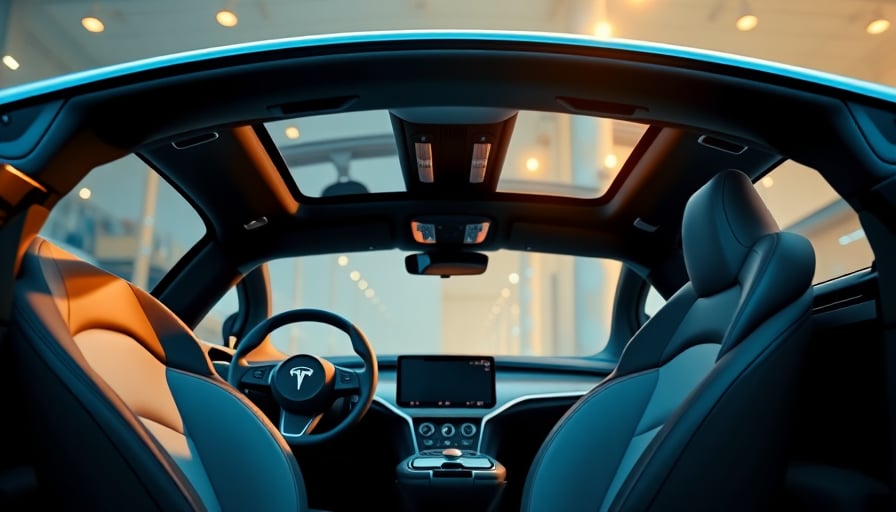
- Tangible Door Handles and Buttons The automaker has decided to reintegrate tactile door handles and manually operated buttons across its portfolio. The decision follows criticism that the previous leadership had steered Volkswagen toward an overly digital interior, potentially alienating a segment of its customer base that values straightforward, intuitive interfaces.
- Customer‑Centric Design Philosophy By prioritising physical controls, Volkswagen seeks to reinforce its reputation for reliability and ease of use. This move aligns with broader trends in the automotive sector, where many legacy manufacturers are re‑emphasising human‑machine interaction that balances technological sophistication with ergonomic simplicity.
Accelerated Electric Vehicle Platform Development
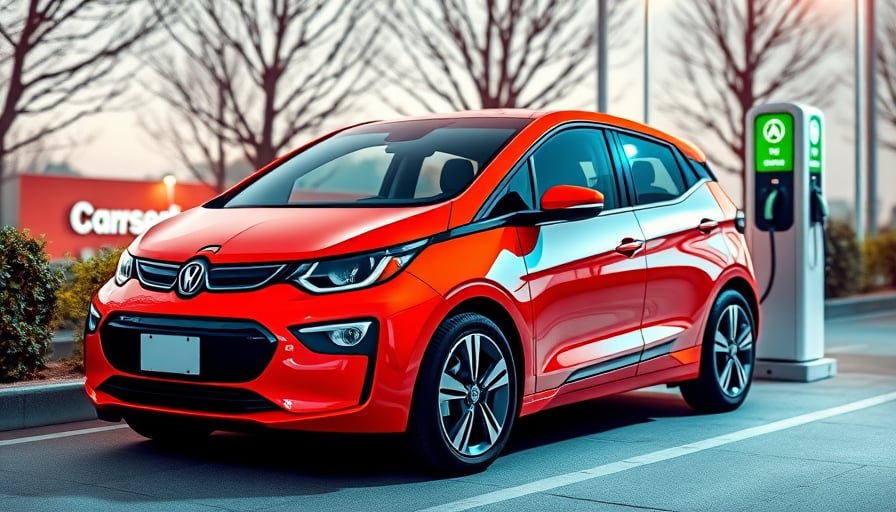
- Winter Testing Success A recent milestone in winter testing of a new electric vehicle (EV) platform demonstrates the feasibility of the design. The tested vehicle will serve as the foundation for a forthcoming low‑cost, entry‑level EV, a critical segment for capturing price‑sensitive buyers in both domestic and international markets.
- Capital Allocation to Joint Venture The success of the platform testing has prompted a sizeable capital transfer to an associated joint venture. This financial commitment underscores Volkswagen’s intent to expedite the development cycle and secure strategic partnerships that can accelerate scale‑up.
- Cross‑Brand Rollout Plan Volkswagen plans to deploy the platform across multiple models, including those under its premium and mainstream brands. By leveraging a common underlying architecture, the company can achieve economies of scale, reduce unit production costs, and streamline supply‑chain management.
Integration with Software and Electronics Strategy
- Reduction of Electronic Control Units (ECUs) Concomitant with the hardware strategy is a comprehensive software initiative aimed at consolidating ECUs. This effort seeks to minimise wiring harness complexity, thereby lowering production costs and enhancing reliability.
- Long‑Term Cost Reduction Streamlining electronics is expected to produce long‑term savings, offsetting the initial capital outlay associated with platform development. The initiative also positions Volkswagen favorably against competitors who are adopting similar strategies to manage the escalating complexity of electrified powertrains.
Market and Economic Context
- Projected 2027 Rollout Volkswagen’s timeline targets a 2027 launch, with a planned debut in the Chinese market later that year. China remains a pivotal growth engine for EV adoption; a timely entry could capture a substantial share of the emerging low‑cost EV segment.
- Industry‑Wide Digital‑Physical Balancing Act The automaker’s pivot mirrors a broader industry trend where manufacturers reconcile advanced digital features with user‑centric design. Firms such as Mercedes‑Benz, BMW, and General Motors are similarly addressing consumer demand for tangible controls alongside high‑tech connectivity.
- Economic Drivers Macro‑economic factors—such as tightening emission regulations, fluctuating battery prices, and shifting consumer preferences toward sustainability—are influencing automakers’ strategic decisions. Volkswagen’s dual focus on physical interfaces and scalable EV platforms addresses both regulatory imperatives and market demand for affordability.
Analyst Perspectives
- Positive Reception Analysts observe that a more customer‑centric design could enhance Volkswagen’s brand perception, particularly in markets where tactile interfaces are valued.
- Share Price Uncertainty Despite the strategic clarity, the direct impact on Volkswagen’s share price remains uncertain. Investors will likely monitor the execution of the platform rollout, the success of the low‑cost EV in the Chinese market, and the tangible cost savings from the ECU consolidation initiative.
Conclusion
Volkswagen’s recent strategic announcements reflect a nuanced approach that marries physical design authenticity with aggressive electrification and digital simplification. By re‑introducing tangible controls, accelerating a versatile EV platform, and consolidating electronics, the company positions itself to navigate an evolving automotive landscape that values both user experience and cost efficiency. The forthcoming rollout in 2027, particularly within the Chinese market, will be a critical barometer for the effectiveness of these integrated initiatives and their broader influence on the company’s competitive standing.