Volkswagen AG Reports Third‑Quarter Decline Amid Chinese Market Headwinds
Volkswagen AG delivered its third‑quarter earnings at a virtual analyst conference held on 29 October, revealing a contraction in operating income and a margin that fell short of expectations. The downturn is attributed to a sustained slowdown in demand, escalating restructuring costs, and the ongoing reconfiguration of the company’s vehicle‑assembly facilities.
Operating Results
- Operating income declined relative to the same quarter in the prior year, reflecting lower sales volumes and higher restructuring expenditures.
- Operating margin dropped below market forecasts, underscoring pressure on profitability.
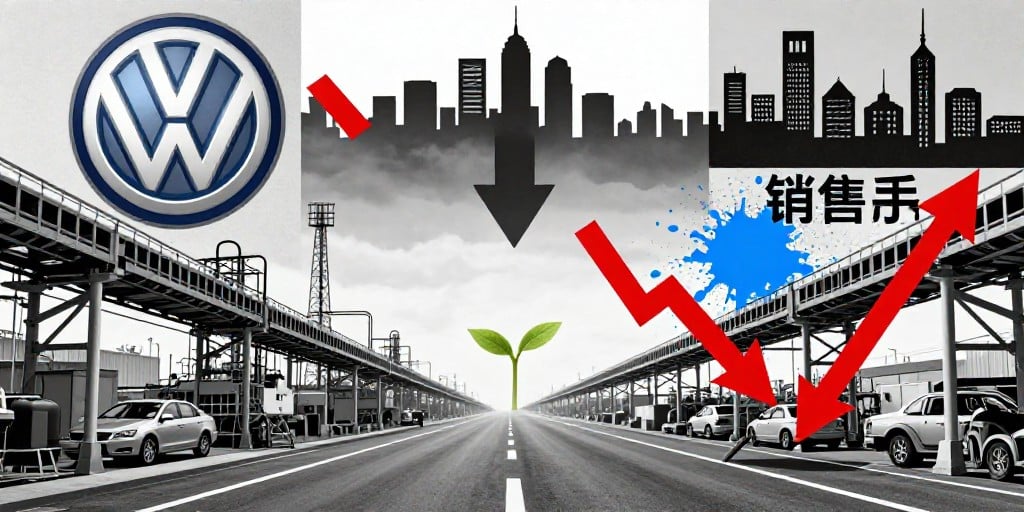
- Sales in China fell by more than 10 % compared with the previous year, the largest decline in any single market for the group.
These figures illustrate the challenges Volkswagen faces as it navigates a complex macroeconomic environment where consumer demand has become more volatile, especially in key growth regions.
Drivers of Performance
Demand Slowdown Global automotive demand has moderated following a period of robust growth. In China, the largest market for Volkswagen, tightening consumer credit, changing consumer preferences, and regulatory shifts have all contributed to a steep decline in vehicle purchases.
Restructuring Costs Volkswagen has embarked on a major restructuring initiative aimed at streamlining production and reducing excess capacity. While intended to enhance long‑term competitiveness, the short‑term cost burden has weighed on operating results.
Assembly Facility Reconfiguration The company’s decision to reorganize its vehicle‑assembly sites—closing some plants while expanding others—has generated significant transitional costs. The long‑term benefits are expected to materialise once the new layout achieves optimal capacity utilisation.
Outlook and Strategic Focus
Volkswagen’s management expressed caution regarding the full‑year operating margin, projecting that it will remain below the level recorded in the previous fiscal year. The group’s strategy moving forward includes:
Cost Optimisation A sustained emphasis on trimming the cost base, with an eye on achieving greater margin resilience. This involves further workforce optimisation, supply‑chain rationalisation, and technology investments that deliver cost efficiencies.
Gradual Sales Recovery Concentration on key growth markets—particularly in Asia and Europe—where the group anticipates a rebound in demand as macroeconomic conditions improve.
Selective Growth Initiatives No new capital‑expenditure commitments were announced in the third‑quarter results. The company reaffirmed its intent to pursue targeted growth projects that align with its lean‑operations philosophy.
Industry Context
Volkswagen’s experience underscores several broader economic themes:
Cross‑Industry Restructuring Similar to other manufacturing sectors, automotive firms are realigning capacities to match shifting demand patterns. The resultant cost pressures and margin compression are being felt across the industry.
Geopolitical and Regulatory Pressures In markets such as China, regulatory tightening and trade‑policy uncertainties can accelerate sales declines, affecting multinational groups.
Shift Toward Electrification Although not highlighted in the current results, the transition to electric vehicles (EVs) remains a critical long‑term driver. Cost optimisation is seen as a prerequisite to funding EV development without compromising profitability.
Conclusion
Volkswagen AG’s third‑quarter results reveal a company grappling with short‑term profitability challenges while charting a path toward longer‑term sustainability. The firm’s focus on cost efficiency, selective expansion, and gradual recovery mirrors the strategic imperatives faced by many firms operating in a volatile global economy. As the automotive sector continues to evolve, Volkswagen’s ability to balance immediate financial discipline with future‑oriented growth initiatives will be crucial to its competitive positioning in the coming years.