Volkswagen AG Responds to German Regulatory Proposal on Cost‑Cutting Measures
Volkswagen AG (VW), the German automotive titan, issued a formal statement on Tuesday regarding a new regulatory proposal from German authorities that could reshape labour and operational dynamics at its German production facilities. The proposal, which is currently under review by the company, calls for tighter cost‑cutting measures, including restrictions on wage increases, permissible adjustments to working hours, and the revocation of a previously approved salary raise scheduled for 2031.
Context of the Proposal
The German government’s initiative aligns with broader European fiscal consolidation efforts aimed at sustaining competitiveness in an era of rapid technological change and volatile commodity markets. By limiting wage growth and allowing flexible working hours, authorities hope to curb escalating labour costs that have been a significant driver of automotive production expenses. The removal of the 2031 salary increase—a benefit that had been part of long‑term workforce planning—further underscores the push for a more cost‑efficient operational framework.
Volkswagen’s Position and Response
In its statement, VW emphasized its commitment to maintaining productive employment in Germany while safeguarding the long‑term interests of the company. Key points from the spokesperson’s remarks include:
- Balanced Approach: The company is pursuing a balanced solution that protects workers’ interests while ensuring the firm’s competitive viability.
- Active Dialogue: VW has been engaging with trade unions and labour representatives to negotiate terms that meet both regulatory expectations and workforce concerns.
- Compliance Record: The company highlighted its history of compliance with labour regulations, reinforcing its reputation as a responsible employer.
The statement also noted that VW would continue to invest in its European manufacturing plants and the development of electric vehicles (EVs), signalling confidence in the company’s ability to meet evolving market demands.
Industry Implications
Automotive Sector Dynamics
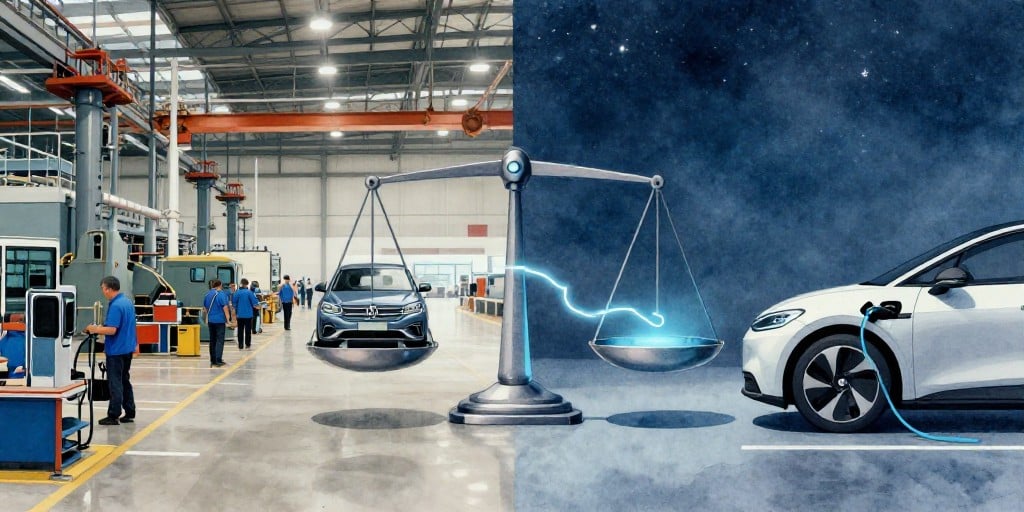
The automotive industry has been experiencing a sharp transition toward electrification, with EU policies mandating stringent carbon emissions reductions. Companies must balance the high upfront costs of EV production against the anticipated long‑term savings from reduced fuel and maintenance costs. Labour costs, particularly in traditional manufacturing hubs like Germany, constitute a substantial portion of total production expenditure. Regulatory pressure to curtail these costs could accelerate the shift to more automated, flexible manufacturing processes, thereby influencing the competitive landscape.
Labour Market Trends
Across Europe, labour markets are witnessing a shift toward more flexible working arrangements, driven by both technological advancement and changing employee expectations. The proposal’s allowance for working‑hour adjustments reflects this trend but also raises questions about job security and income stability. A successful negotiation could set a precedent for other sectors, potentially reshaping labour‑cost structures across the continent.
Economic and Competitive Considerations
- Cost‑Structure Management: Tightening wage controls could improve VW’s cost competitiveness relative to peers in lower‑wage countries or those investing heavily in automation.
- Innovation Funding: Reduced labour costs may free up capital for further investment in EV technology, battery development, and autonomous driving systems—areas critical for long‑term leadership in the automotive industry.
- Union Relations: Maintaining positive labour relations is essential to avoid production disruptions. VW’s emphasis on balanced negotiation may mitigate the risk of strikes or industrial action, preserving supply chain continuity.
- Policy Alignment: The proposal dovetails with EU initiatives on digital transformation and green economy, positioning VW to benefit from potential subsidies or tax incentives linked to sustainability and workforce adaptability.
Outlook
Volkswagen has indicated that it will provide further updates once the regulatory review concludes. In the meantime, the company is likely to pursue a multi‑pronged strategy that includes:
- Engagement with Regulators: Negotiating the precise scope of wage and hour adjustments to ensure feasibility within VW’s financial projections.
- Union Collaboration: Working with employee representatives to design alternative compensation mechanisms, such as performance‑based bonuses or skill‑development programs, that could offset the impact of wage restrictions.
- Operational Optimization: Accelerating investments in automation and flexible manufacturing to offset labour cost increases while maintaining productivity.
- Strategic Communications: Articulating the company’s commitment to sustainability and employment to both internal stakeholders and the broader market, thereby sustaining investor confidence.
By balancing regulatory compliance with strategic investment and workforce engagement, Volkswagen aims to preserve its leadership position in the European automotive market while contributing to the broader economic shift toward sustainable, technology‑driven mobility solutions.