Corporate News Analysis
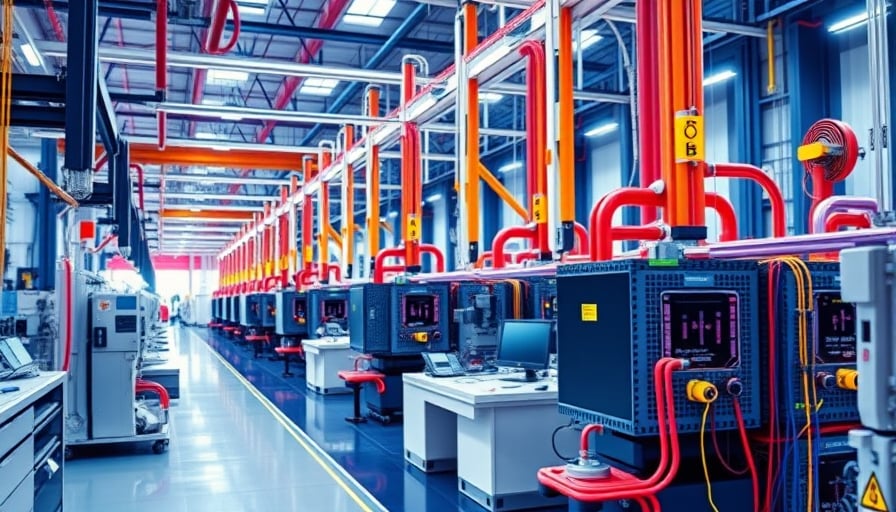
Volkswagen AG has announced a pivotal leadership transition within its battery division, appointing René Reif as Chief Operating Officer of PowerCo SE. Reif, formerly responsible for production at Daimler’s Canadian plant, is expected to accelerate the construction and commissioning of the company’s inaugural gigafactory in Salzgitter. The facility is projected to support a production capacity of approximately 250,000 electric vehicles annually, encompassing forthcoming small‑car models such as the ID Polo and the Cupra Raval.
Impact on Operational Performance
The announcement follows a quarterly earnings report that revealed a decline in operating profit, prompting a sharp drop in share price to a level approaching its 52‑week low. Management has set a target operating margin of 4 % to 5.5 % for the current year. Attaining this goal will largely hinge on the new COO’s ability to deliver the Salzgitter expansion on schedule and to launch additional standardised facilities in Valencia and St. Thomas in 2026 and 2027, respectively.
Market Reaction and Valuation Dynamics
Volkswagen’s shares have shown modest volatility across European exchanges. In the Euro STOXX 50 index, the group’s shares moved slightly higher, reflecting a broader market upswing. In Germany’s DAX and the London‑listed LUS‑DAX, the shares exhibited small gains amid general market optimism. Analysts note that the company’s lowest current price‑to‑earnings ratio among the index constituents may attract value‑oriented investors, although its projected dividend yield is modest compared with peers.
Strategic Positioning in Electrification
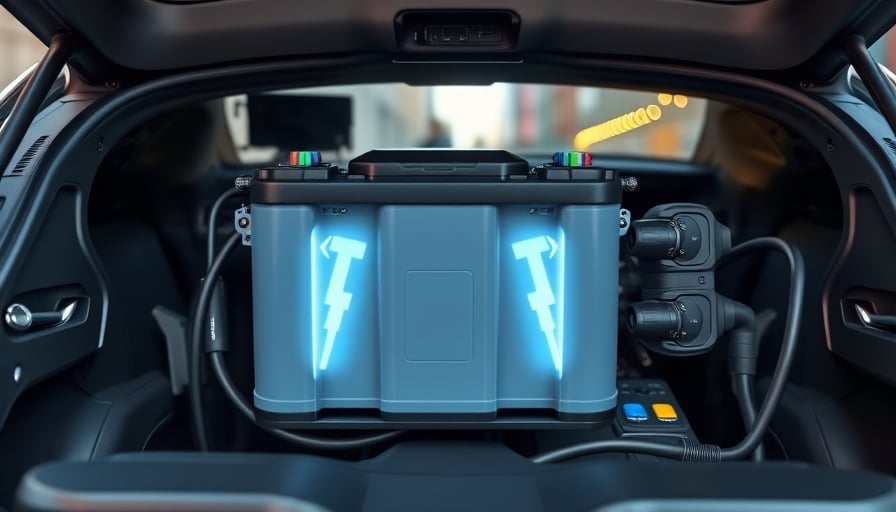
Volkswagen AG is navigating a period of strategic transition, balancing the costs of electrification with the need for operational efficiency. The rapid development of battery production capacity is a critical component of this strategy, as it directly influences the firm’s competitive positioning in the rapidly expanding electric vehicle (EV) market. The Salzgitter gigafactory, together with the planned Valencia and St. Thomas sites, is designed to standardise production processes, reduce unit costs, and improve scalability—factors that are increasingly important as industry players invest heavily in battery technology.
Cross‑Sector Implications
The emphasis on large‑scale battery production mirrors trends observed in the semiconductor and renewable energy sectors, where economies of scale and supply‑chain integration are key drivers of competitive advantage. Volkswagen’s approach—leveraging a single, highly automated production hub—parallels the strategy adopted by leading chip manufacturers that concentrate manufacturing in a handful of high‑capacity plants. Moreover, the company’s focus on small‑car electrification aligns with broader economic drivers such as tightening emissions regulations, growing consumer demand for affordable EVs, and the shift toward urban mobility solutions.
Conclusion
Volkswagen’s leadership change within its battery division signals a decisive step toward consolidating its electrification strategy. The success of this initiative will depend on timely execution of the Salzgitter gigafactory and subsequent expansion projects, which will directly influence operating margins and shareholder value. While the company’s market performance remains sensitive to macroeconomic conditions and sectoral developments, its strategic emphasis on cost‑efficient battery production positions it favorably amid the evolving competitive landscape of the global automotive industry.