
Volkswagen AG Expands Electric SUV Portfolio and Reconfigures Manufacturing Strategy
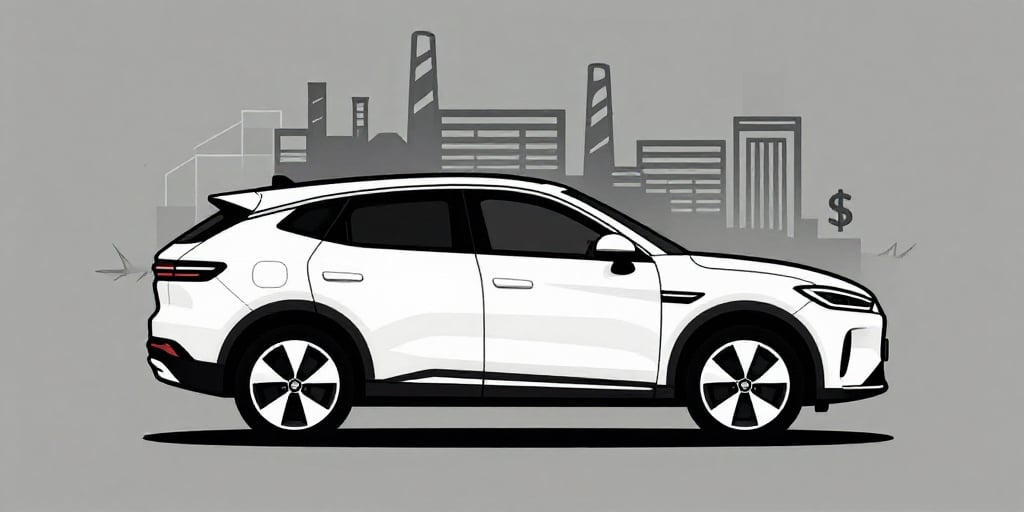
Volkswagen AG announced the introduction of its largest electric SUV, the ID Era 9X, in the Chinese market through a partnership with SAIC. The model is positioned as part of a comprehensive product strategy aimed at capturing the growing demand for premium electric vehicles. Its pricing starts at a level that represents only a modest premium relative to the broader electric SUV segment, suggesting that Volkswagen seeks to balance differentiation with price competitiveness.
Strategic Rationale for the ID Era 9X Launch
The ID Era 9X is designed to meet the specific preferences of Chinese consumers who favor spacious, technology‑rich vehicles. By collaborating with SAIC, Volkswagen leverages SAIC’s local manufacturing expertise, supply‑chain integration, and distribution network. This partnership aligns with a broader trend of foreign automakers partnering with domestic firms to navigate regulatory complexities and accelerate market penetration in China, the world’s largest automotive market.
From an economic perspective, the expansion into high‑end electric SUVs taps into rising disposable incomes and increasing government incentives for zero‑emission vehicles. The modest premium pricing strategy indicates an anticipation of price elasticity in the segment, allowing Volkswagen to capture value without eroding its competitiveness against domestic rivals such as BYD and NIO.
Repositioning the Osnabrück Plant
In Germany, Volkswagen’s chief executive confirmed that production at the Osnabrück plant will cease in 2027, marking a decisive shift away from automotive manufacturing at that site. The company is engaging with defense contractors to explore alternative uses of the facility, emphasizing its potential for automation and skilled labour while explicitly stating that it will not manufacture weapons.
This move reflects a broader strategic imperative to reallocate capital toward high‑growth sectors such as electrification, autonomous driving, and mobility services. By converting a legacy automotive site into a multifunctional production hub, Volkswagen aims to maintain its workforce base, preserve industrial know‑how, and reduce idle capacity. The engagement with defense firms also illustrates the sector’s increasing interest in repurposing automotive infrastructure for defense-related manufacturing, a trend that has gained traction across European industrial parks.
Cost‑Cutting and Operational Restructuring
Volkswagen’s parent company continues to pursue cost‑cutting initiatives across the group. The Audi division has announced plans to reduce expenditures and streamline operations, though specific measures remain undisclosed. This effort is part of a larger strategy to maintain core competitiveness amid a challenging market environment characterized by supply‑chain disruptions, semiconductor shortages, and fluctuating raw‑material costs.
The cost‑cutting drive is likely to focus on three core areas:
- Manufacturing efficiency – adopting advanced robotics and digital twins to lower labor costs.
- Supply‑chain consolidation – negotiating long‑term contracts with key suppliers to secure price stability.
- Organizational simplification – reducing redundant functions across divisions to accelerate decision‑making.
These initiatives resonate with similar moves across the automotive industry, where firms such as BMW and Daimler are also tightening operating expenses to protect margins in a volatile macroeconomic environment.
Safety Recall in the United States
In the United States, Volkswagen has issued a recall for approximately 39,000 Taos SUV units due to a fuel‑system issue that could elevate fire risk. Dealers will install a corrective component at no cost to owners. The recall underscores the ongoing importance of after‑sales service and brand reputation management for global automakers.
The incident reflects broader industry concerns around fuel‑system integrity, particularly in hybrid and electric models where fuel management systems have evolved. While the recall will entail short‑term costs and potential supply‑chain pressure for corrective parts, it also presents an opportunity for Volkswagen to reinforce its commitment to safety and customer trust.
Implications for Financial Performance and Market Position
Volkswagen’s simultaneous expansion into new vehicle markets, reconfiguration of its manufacturing footprint, and rigorous safety and cost‑management initiatives are poised to influence its financial performance in the near term.
- Revenue Growth: The ID Era 9X launch in China is expected to contribute to revenue growth, especially if the pricing strategy attracts a broad customer base.
- Margin Pressure: Cost‑cutting efforts may improve operating margins, but the transition costs associated with plant reconfiguration and recall remediation could offset short‑term gains.
- Share Price Volatility: Investor sentiment will likely be sensitive to the success of the Chinese launch, the outcome of the Osnabrück plant transition, and the market’s perception of Volkswagen’s ability to manage safety recalls efficiently.
In summary, Volkswagen’s strategic initiatives reflect a concerted effort to adapt to shifting market dynamics, harness emerging opportunities in electrification, and streamline operations across a complex global ecosystem. These moves, while challenging, are consistent with industry patterns of repositioning assets and focusing on core competencies to navigate an increasingly competitive automotive landscape.