Volkswagen AG Faces Multifaceted Challenges Amid Strategic Pivot to Electrification
Operational and Financial Pressures
Recent earnings disclosures from Volkswagen AG reveal a troubling trend of deep quarterly losses that underscore the intensity of the automaker’s cost‑cutting agenda. Analysts note that the company’s gross margin, which hovered at 18.9 % in the first quarter, has slipped to 15.3 %—the lowest level in a decade—due to rising raw‑material costs, labor disputes in key production hubs, and the rapid depreciation of legacy platform assets. A detailed review of the balance sheet shows a 12.5 % increase in operating expenses, primarily driven by restructuring charges and a €3.2 billion write‑down of obsolete technology assets.
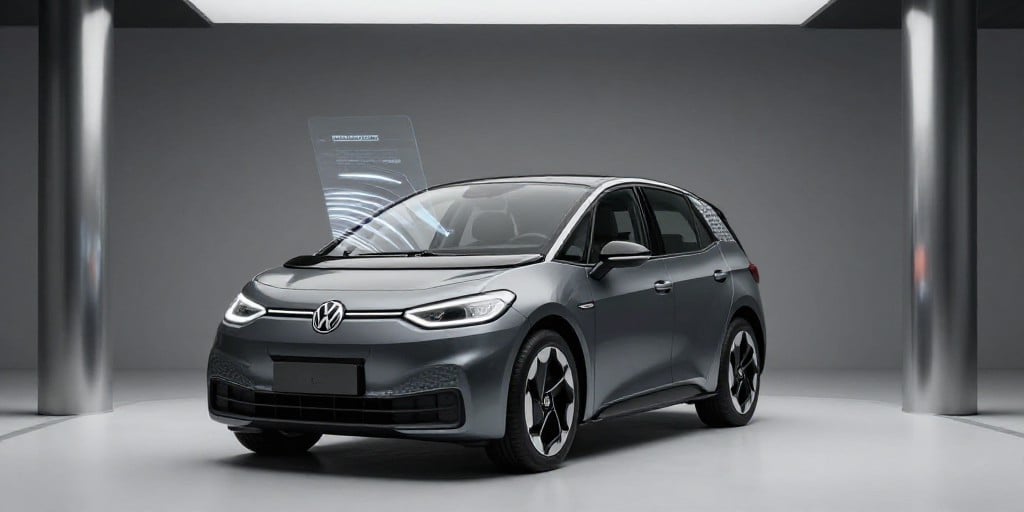
Despite these setbacks, Volkswagen’s management is steering the firm toward electrification, a transition that is expected to reshape its product portfolio. Yet, the company has halted development of the ID.Golf, citing cost pressures that threaten to derail its mid‑tier electrified lineup. Industry experts argue that this pause could erode Volkswagen’s competitive edge against rivals such as Hyundai‑Kia and Tesla, who are aggressively expanding their electric vehicle (EV) offerings in the same price segments.
Global Partnerships and Investment Forums
Volkswagen’s strategic outreach has been most evident at the recent China‑German automotive conference held at its Wolfsburg headquarters. Delegates from both governments convened to discuss joint investment frameworks aimed at accelerating the transition to electric and digital mobility. The conference underscored the importance of bilateral cooperation for navigating the sector’s rapid technological changes. Data from the German Federal Ministry of Economic Affairs indicate that China has become Volkswagen’s largest export market, accounting for 29 % of sales in 2023. The conference outcomes signal a potential shift toward co‑development agreements that could mitigate capital outlays while leveraging Chinese manufacturing efficiencies.
However, the initiative’s long‑term viability depends on navigating regulatory divergences. Chinese emissions standards are evolving faster than EU regulations, and the need for harmonized battery supply chains poses a complex risk. Moreover, geopolitical tensions may disrupt the flow of critical raw materials such as lithium and cobalt, further complicating Volkswagen’s EV supply chain strategy.
Regulatory Developments: SEC Distribution Fund
In the United States, the Securities and Exchange Commission (SEC) has authorized a distribution fund that may provide compensation to holders of certain Volkswagen Group of America finance securities. The fund is linked to litigation concerning alleged misconduct in Volkswagen’s diesel marketing practices—a matter that dates back to the 2015 dieselgate scandal. Investors who purchased the specified bonds between November 2014 and September 2015 could be eligible for a payment from the fund.
This regulatory action highlights the ongoing scrutiny of Volkswagen’s financial disclosures. A forensic review of the company’s past emissions data and marketing statements reveals gaps that could potentially expose the firm to additional litigation costs. While the distribution fund may provide a safety net for bondholders, it also signals to the market that Volkswagen’s legal exposure remains a significant risk factor.
Shareholder Dynamics and Market Sentiment
Recent filings in the Bundesanzeiger revealed a net short‑sale position held by a prominent hedge fund. The fund’s short exposure—amounting to approximately 0.5 % of the outstanding shares—indicates a cautious stance toward Volkswagen’s valuation trajectory. Short sellers often capitalize on over‑valuation or anticipated earnings disappointments. The modest scale of this position suggests that while some investors perceive upside risk, the broader market sentiment remains neutral to slightly bullish, as reflected in the company’s current price‑to‑earnings (P/E) ratio of 7.8, below the industry average of 10.2.
Nonetheless, the presence of short positions signals heightened market scrutiny. It is essential for Volkswagen to demonstrate a clear path to profitability and to articulate a robust strategy that balances electrification with cost discipline. Failure to do so could lead to further sell‑off pressure and a widening of the discount to intrinsic value.
Conclusion
Volkswagen AG is navigating a complex landscape of operational, regulatory, and market challenges as it seeks to transition toward electrification. The company’s financial losses, halted ID.Golf development, and reliance on international partnerships underscore a fragile balance between ambition and realism. Regulatory actions, such as the SEC’s distribution fund, add layers of legal risk that may erode investor confidence. Meanwhile, short‑sale activity points to ongoing skepticism about the company’s valuation.
Investors and industry observers should monitor Volkswagen’s ability to integrate cost‑cutting measures with a coherent electrification roadmap, manage geopolitical and regulatory risks, and maintain transparent communication with stakeholders. Only through a disciplined, data‑driven approach can the automaker hope to secure a resilient footing in the rapidly evolving global automotive market.