Volkswagen AG Announces Strategic Advances Across Automotive and Defence Sectors
Volkswagen AG has recently disclosed a series of developments that underscore its evolving strategic priorities. The German automaker unveiled a teaser image for the forthcoming next‑generation Golf, signaling the introduction of a new platform that will support an expanded model lineup. Simultaneously, the company celebrated a milestone in its electric vehicle (EV) programme, reporting the delivery of more than four million fully electric cars worldwide—a testament to the rapid growth of its electrification strategy over the past decade.
Introduction of a New Platform for the Golf Line
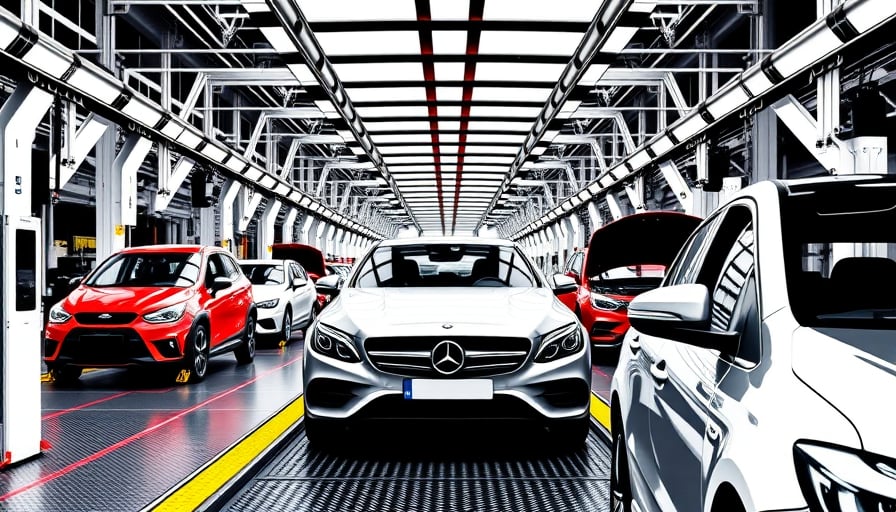
The teaser image for the next‑generation Golf highlights the design language and structural innovations that will underpin the new platform. By consolidating the architecture across multiple models, Volkswagen aims to achieve greater manufacturing flexibility, lower unit costs, and enhanced scalability for future electrified variants. This move aligns with industry trends in platform standardisation, which enable automakers to spread development costs across a broader product portfolio and respond more rapidly to shifting consumer demands and regulatory pressures.
Milestone in Electric Vehicle Deliveries
Reaching the four‑million‑unit mark in fully electric vehicle deliveries places Volkswagen among the leading global EV manufacturers. The growth trajectory reflects a combination of aggressive investment in battery technology, expanding charging infrastructure, and a diversified product mix that ranges from entry‑level models to premium electric SUVs. This achievement also positions the company favorably in the context of tightening global emissions regulations, particularly within the European Union, where stricter CO₂ targets are driving rapid electrification.
Exploration of Defence‑Related Opportunities
Volkswagen’s spokesperson announced that the company is evaluating the potential for its Osnabrück factory to showcase vehicle prototypes at an upcoming defence trade show. This initiative suggests an exploratory foray into defence‑related vehicle technology, potentially leveraging the automaker’s expertise in vehicle dynamics, powertrain integration, and production efficiency. Should this transition materialise, it would demonstrate Volkswagen’s capacity to diversify beyond consumer markets, capitalising on synergies between commercial and defence engineering domains.
Expansion of Scout Motors and Legal Challenges
The Scout Motors division is experiencing significant demand, with reservations exceeding 160,000 units, predominantly for extended‑range hybrid configurations. Volkswagen has commenced prototype production in South Carolina, indicating a strategic push into the American market. However, the division has encountered legal obstacles: U.S. dealers have sued Volkswagen over plans to sell Scout Motors vehicles directly to consumers, thereby bypassing the traditional dealership network. This litigation highlights the tension between new direct‑to‑consumer sales models and established franchise agreements, raising questions about the balance between innovation and regulatory compliance in the automotive retail landscape.
Implications for Corporate Strategy and Market Dynamics
These concurrent developments illustrate Volkswagen’s emphasis on innovation and market expansion. The introduction of a new platform and the milestone in EV deliveries reinforce the company’s commitment to sustainable mobility. The potential entry into defence technology demonstrates strategic diversification, while the Scout Motors initiative signals an aggressive stance in the U.S. market. Nonetheless, the legal challenges associated with direct sales underscore the regulatory and commercial complexities that accompany disruptive business models.
In a broader economic context, Volkswagen’s activities intersect with several key industry trends: the acceleration of electrification, platform standardisation, diversification into defence‑related technology, and the evolving dynamics of vehicle distribution. By maintaining a balanced focus on core business principles—efficiency, scalability, and regulatory compliance—Volkswagen seeks to sustain its competitive positioning amid rapid technological change and shifting market expectations.