Volkswagen and Gotion Forge a Multibillion‑Euro Battery‑Production Alliance
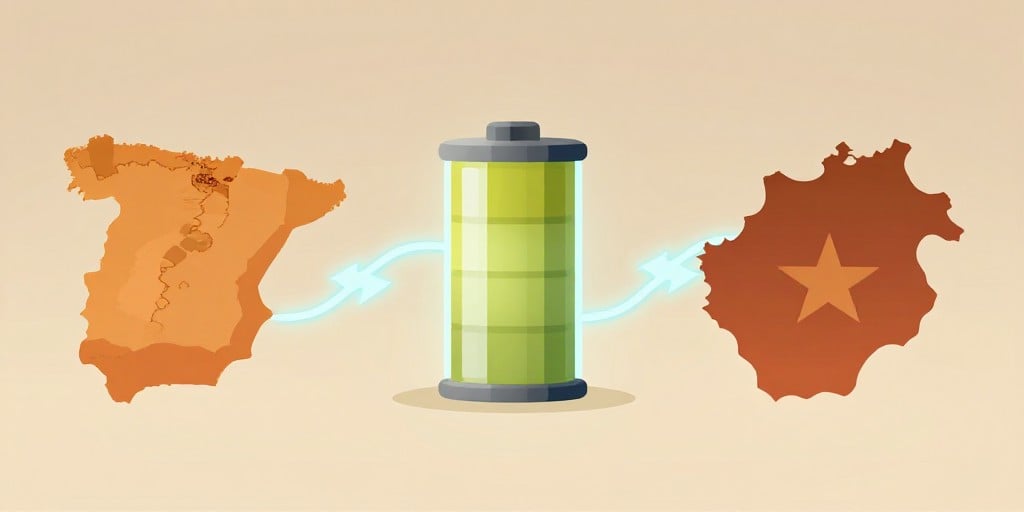
Volkswagen AG has entered into a joint‑investment agreement with Chinese battery manufacturer Gotion High‑Tech to establish new battery‑material production facilities across Europe and North Africa. The partnership involves a combined investment of approximately €3.22 billion, with each party contributing roughly half of the total. Under the deal, cathode‑material plants will be constructed in Spain and Slovakia, while a lithium‑iron‑phosphate (LFP) factory will be built in Morocco.
The strategic placement of these sites is significant. Spain and Slovakia are key locations for the European automotive sector, providing proximity to major OEMs and access to a skilled manufacturing workforce. Morocco’s inclusion underscores the expanding North‑African market’s role as a growth hub for battery production, driven by favorable tax regimes and an increasing supply of raw materials such as nickel and cobalt.
Following the joint‑investment announcement, Gotion’s shares surged to their daily limit on the Shenzhen Stock Exchange, reflecting investor confidence in the collaboration. The valuation of the investment suggests that both parties anticipate substantial returns from the burgeoning electric‑vehicle (EV) battery market, which is projected to grow at a compound annual growth rate (CAGR) of approximately 25 % over the next decade.
Complementary PowerCo Agreement
In parallel, Volkswagen’s PowerCo unit has signed a €10.94 billion engineering contract with Gotion to develop a Spanish battery plant. This arrangement aligns with Volkswagen’s broader strategy to secure a diversified battery supply chain independent of Chinese dominance. PowerCo’s involvement signals a shift from earlier in‑house battery development plans, which were scaled back in favour of external partnerships that can deliver faster time‑to‑market and reduced capital expenditure.
The Spanish battery plant will focus on producing both high‑energy and high‑power cells, catering to Volkswagen’s electrification roadmap for its Model 3, ID series, and future platform‑agnostic vehicles. By integrating engineering services with Gotion’s material production, Volkswagen aims to streamline the supply chain from raw material sourcing to cell manufacturing, thereby mitigating risks associated with supply bottlenecks and geopolitical tensions.
Industry‑Wide Implications
The joint venture reflects a broader trend in the global automotive sector: the pursuit of decentralized, resilient battery supply chains. European OEMs, including Mercedes‑Benz, BMW, and Tesla’s European operations, are increasingly exploring collaborations with Chinese firms to secure access to advanced battery chemistries and manufacturing expertise. This trend is partly a response to earlier disruptions in Europe’s battery‑making capacity, notably the 2022–2023 period when supply constraints impeded production schedules for several leading EV models.
The German battery‑maker’s announcement of a partnership with Chinese firms for overseas production further illustrates the cross‑border nature of this industry shift. By combining German engineering and design capabilities with Chinese manufacturing efficiencies, these alliances aim to capture synergies that enhance cost competitiveness while maintaining technological leadership.
From an economic perspective, these developments are intertwined with regional policy incentives. European Union initiatives such as the Battery Innovation Hub and the European Battery Alliance provide subsidies and tax breaks for battery production, thereby encouraging OEMs to invest within the continent. In contrast, North African nations are implementing export‑oriented industrial policies to attract foreign direct investment, positioning Morocco as a pivotal hub for LFP cell manufacturing given its abundant phosphate resources.
Competitive Positioning and Future Outlook
Volkswagen’s partnership with Gotion places it firmly within the competitive landscape of EV battery supply. By securing a diversified portfolio of battery chemistries—cathode materials in Spain and Slovakia and LFP in Morocco—Volkswagen mitigates the risk of supply concentration and aligns with industry best practices for resilience. The €10.94 billion PowerCo contract further deepens this integration, offering a vertical‑supply chain advantage that could translate into cost savings and faster product roll‑out.
Looking ahead, the success of this collaboration will hinge on several factors:
- Technology Transfer and Quality Control: Ensuring that Gotion’s production standards meet Volkswagen’s stringent quality requirements for safety and performance.
- Regulatory Alignment: Navigating differing environmental and labor regulations across Spain, Slovakia, and Morocco to achieve compliant and sustainable operations.
- Supply Chain Synergy: Coordinating logistics, raw material procurement, and distribution to optimize lead times and inventory levels across the global network.
If executed effectively, the Volkswagen‑Gotion alliance could serve as a benchmark for future cross‑border collaborations in the EV battery sector, illustrating how strategic partnerships can overcome regional supply constraints and drive industry innovation.