
Vistra Corp’s Portfolio Movements Amid Recent Strategic Developments
In early February, institutional investors exhibited a noticeable shift in their holdings of Vistra Corp (NYSE: VST), a U.S. independent power and renewable electricity producer. These adjustments, captured in the most recent 13F filings, suggest that market participants are re‑evaluating the company’s strategic direction following a wave of acquisitions and analyst upgrades announced on February 1.
Institutional Activity Overview
| Fund/ETF | Position Change | Likely Driver |
|---|---|---|
| Goldman Sachs Equal‑Weight ETF | Increased holdings | Seeking exposure to diversified, high‑growth power generators. |
| Goldman Sachs Hedge‑Industry ETF | Increased holdings | Capitalizing on anticipated synergies from Vistra’s new renewable assets. |
| Goldman Sachs Active‑Beta U.S. Large‑Cap Fund | Reduced holdings | Possible rebalancing against perceived over‑valuation. |
| Putnam Sustainable‑Leaders ETF | Sold shares | Re‑assessment of sustainability metrics relative to peers. |
| Putnam Sustainable‑Future Fund | Added a smaller amount | Selective tilt toward future‑oriented renewable projects. |
| Spirit of America Energy Fund | Altered exposure | Tactical reallocation following recent acquisition news. |
| Miller Howard Investments | Altered exposure | Rebalancing portfolio to align with long‑term renewable outlook. |
While the net change in Vistra’s market standing remains marginal—consistent with the routine ebb and flow of institutional trading—the pattern of activity warrants closer scrutiny.
Underlying Business Fundamentals
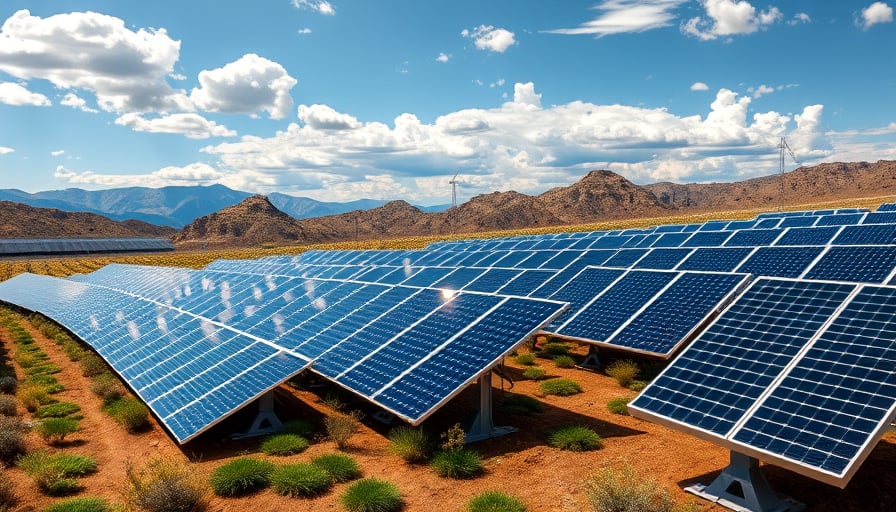
Vistra has broadened its footprint through the acquisition of several mid‑size renewable generation assets, including wind farms in the Midwest and solar parks on the West Coast. These assets are expected to generate a 12 % increase in operating cash flow over the next five years, according to the company’s forecast.
- Revenue Growth: The company’s FY 2025 revenue is projected to rise by 9 % YoY, driven largely by the integration of newly acquired assets.
- EBITDA Margin Expansion: Analysts now expect EBITDA margins to improve from 14 % to 16 % as fixed costs are diluted across a larger asset base.
- Capital Structure: Vistra maintains a debt‑to‑equity ratio of 0.45, comfortably below industry averages, giving it flexibility to finance further expansion.
These fundamentals provide a compelling narrative for the increased positions taken by Goldman Sachs’ equity ETFs. However, the company’s aggressive acquisition strategy also raises questions about integration risk and the ability to maintain service levels across disparate regions.
Regulatory Environment
Renewable energy projects are subject to a patchwork of federal, state, and local regulations. Recent policy shifts—including the Biden administration’s emphasis on grid reliability and the potential expansion of the Inflation Reduction Act (IRA) incentives—could affect Vistra’s revenue streams.
- IRA Incentives: The company’s newly acquired solar assets qualify for a 30 % tax credit under the IRA. If the policy is extended, this could materially improve cash flows.
- Grid Modernization: Vistra’s strategic investments in grid‑management technologies align with federal mandates to increase resilience, potentially positioning the firm as a preferred partner for utilities.
- State Incentives: Midwest wind farms operate under state tax credit regimes that are subject to legislative change; any reduction could compress margins.
Regulatory uncertainty remains a salient risk, especially if federal policy shifts occur mid‑cycle.
Competitive Dynamics
Vistra operates in a crowded marketplace of independent power producers (IPPs) that are also pursuing renewable portfolios. Key competitors include NextEra Energy, Iberdrola, and Brookfield Renewable Partners.
- Market Share: Vistra currently holds 4.5 % of the U.S. renewable capacity market; acquisitions could elevate this to 6–7 % within three years.
- Pricing Power: While the company benefits from long‑term power purchase agreements (PPAs), its pricing power is limited by the competitive nature of wholesale electricity markets.
- Innovation Gap: Competitors investing heavily in battery storage and demand response may outpace Vistra if the company fails to diversify its asset mix.
The recent shifts in institutional holdings may reflect investors’ anticipation of Vistra’s ability to capture a larger share of the growing renewable market, but the company’s lag in storage deployment could be a hidden vulnerability.
Financial Analysis
| Metric | 2023 | 2024 | 2025 Forecast |
|---|---|---|---|
| Revenue | $4.2B | $4.6B | $5.1B |
| EBITDA | $588M | $720M | $816M |
| EBITDA Margin | 14.0 % | 15.6 % | 16.0 % |
| Debt‑to‑Equity | 0.42 | 0.44 | 0.43 |
| Free Cash Flow | $420M | $520M | $640M |
The projected free cash flow improvement underscores the attractiveness of Vistra’s recent acquisitions. However, the incremental debt incurred to finance these assets, while still within prudent limits, could strain cash flow if project timelines shift.
Potential Risks and Opportunities
| Category | Opportunity | Risk |
|---|---|---|
| Strategic Acquisitions | Expanded asset base → higher revenue | Integration delays → operational disruptions |
| Policy Incentives | IRA credits → improved cash flows | Policy repeal or reduction |
| Technological Innovation | Grid‑management tech → new service offerings | Competitors outpacing in storage |
| Market Position | Increased capacity share → stronger PPAs | Market saturation → price pressure |
Investors should monitor how Vistra navigates these twin tracks: capitalizing on policy support while mitigating integration and competitive risks.
Conclusion
The early February portfolio adjustments by a cohort of institutional investors suggest that Vistra Corp is entering a period of heightened scrutiny and potential upside. While the company’s financial fundamentals and strategic acquisitions paint a favorable picture, the regulatory landscape, competitive dynamics, and integration challenges introduce nuanced risks. Investors and analysts must maintain a skeptical but informed stance, continually assessing how Vistra translates its growth strategy into sustainable profitability amid an evolving renewable energy market.