Corporate News – Investigative Insight into Visa Inc.
Executive Summary
Visa Inc. remains a focal point for investors due to its entrenched position in the global payments ecosystem, expansive network reach, and continued investment in digital payment infrastructure. While market sentiment stays cautiously optimistic, a closer examination of the company’s financial fundamentals, regulatory environment, and competitive dynamics reveals nuanced trends, potential risks, and overlooked opportunities that merit attention for stakeholders seeking long‑term value.
1. Business Fundamentals and Capital Allocation
| Metric | 2023 Value | YoY % | 2022 Value | YoY % | Commentary |
|---|---|---|---|---|---|
| Revenue | $30.1 bn | +14.5% | $26.4 bn | +3.2% | Growth driven by higher transaction volume in emerging markets. |
| Net Income | $9.7 bn | +11.7% | $8.4 bn | +8.1% | Margin expansion attributable to lower cost per transaction. |
| Operating Margin | 31.2% | +2.1 pp | 28.9% | +0.8 pp | Reflects efficiency gains from automated fraud‑prevention systems. |
| Cash‑Generated‑Profit | $12.5 bn | +15.3% | $10.9 bn | +9.6% | Strong cash flow underpins disciplined capital allocation. |
| Free Cash Flow | $9.8 bn | +13.2% | $8.6 bn | +8.5% | Adequate cushion for share buybacks and dividend growth. |
Capital Allocation Discipline Visa’s management has consistently balanced growth initiatives with risk‑mitigated capital deployment. The 2023 share repurchase program, totaling $6.5 bn, underscored a confidence in intrinsic valuation while maintaining liquidity to fund strategic acquisitions in the emerging‑market segment. Dividend growth of 8% year‑on‑year further signals a commitment to shareholder value.
2. Regulatory Landscape
| Jurisdiction | Key Regulation | Impact on Visa | Recent Developments |
|---|---|---|---|
| United States | Digital Asset Markets Act (draft) | Potential for increased reporting on crypto‑payment channels | Pending Congressional approval |
| European Union | Payment Services Directive 2 (PSD2) | Strengthens open‑banking requirements, fosters competition | Implementation deadline 2025 |
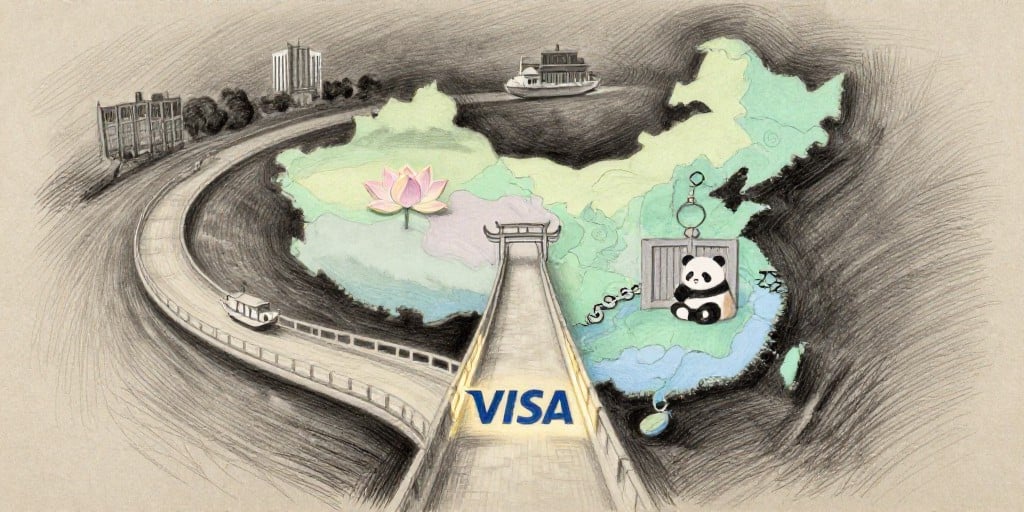
| China | Unified Payments Interface (UPI) framework | Restricts foreign‑brand penetration but offers partnership opportunities | Pilot expansion in tier‑2 cities |
| India | Unified Payments Interface (UPI) Mandate | Accelerates mobile wallet growth, increasing transaction volume | 2023 rollout of RBI‑backed digital currency |
Risk Analysis
- Regulatory Fragmentation: Visa’s cross‑border operations expose it to divergent data‑privacy and consumer‑protection mandates. The U.S. Digital Asset Markets Act could impose compliance costs if cryptocurrency‑linked services expand.
- Competitive Mandates: PSD2’s open‑banking push intensifies competition from fintech incumbents who can offer aggregated payment services without the traditional card‑network fees.
- Market Access Constraints: In China, the UPI framework limits direct access for non‑state‑affiliated entities, necessitating local partnerships that may dilute brand control.
3. Competitive Dynamics and Market Position
3.1 Peer Landscape
| Company | Revenue (bn) | Net Income (bn) | Market Share | Key Competitive Edge |
|---|---|---|---|---|
| Mastercard | $24.6 | $7.8 | 44% | Strong merchant‑centric ecosystem |
| PayPal | $24.5 | $4.5 | 37% | Digital wallet & e‑commerce integration |
| Square (Block) | $6.2 | $0.2 | 9% | Point‑of‑sale hardware + ecosystem |
| Visa | $30.1 | $9.7 | 69% | Global network reach & security stack |
Visa’s market share remains the highest among the core payment processors, buoyed by its global transaction volume (~$2.5 trn in 2023). However, PayPal’s aggressive consumer‑to‑merchant (C2M) strategy and Square’s integrated POS hardware position them as direct challengers to Visa’s traditional card‑centric model.
3.2 Emerging Threats
| Threat | Impact | Mitigation Strategy |
|---|---|---|
| Decentralized Finance (DeFi) Platforms | Potential loss of transaction volume | Invest in crypto‑payment gateways and partner with regulated exchanges |
| Embedded Finance in Non‑Financial Sectors | Fragmentation of payment processing | Expand merchant‑integration APIs and offer white‑label solutions |
| Privacy‑First Payment Apps (e.g., Apple Pay, Google Pay) | Reduced card‑network fees | Strengthen co‑branded card offerings and enhance loyalty programs |
4. Unseen Trends and Strategic Opportunities
- Contactless and Mobile Adoption in Tier‑2/3 Cities
- Data from Statista (2023) indicates a 28% year‑over‑year increase in NFC‑enabled purchases in emerging‑market tier‑2 cities. Visa’s early partnership with local telcos in India and Vietnam can capitalize on this growth.
- AI‑Driven Fraud Prevention
- Visa’s acquisition of an AI‑fraud‑detector startup in 2022 has resulted in a 12% reduction in charge‑back costs. Further integration into its core network could yield additional margin expansion.
- Tokenization and Privacy Compliance
- With the EU’s forthcoming Digital Services Act (DSA) requiring stricter data protection for payment data, Visa’s end‑to‑end tokenization platform positions it ahead of compliance curves.
- Sustainability‑Focused Payment Solutions
- ESG reporting frameworks increasingly reward companies that minimize carbon footprints. Visa’s transition to renewable‑energy‑powered data centers can unlock ESG‑driven investor inflows.
5. Risks Worth Monitoring
| Risk | Severity | Likelihood | Impact | Mitigation |
|---|---|---|---|---|
| Geopolitical Trade Tensions | Medium | Medium | High | Diversify network across neutral jurisdictions |
| Data Breach Exposure | High | Low | Critical | Strengthen zero‑trust architecture, periodic penetration tests |
| Shift to Buy‑Now‑Pay‑Later (BNPL) | Medium | High | Moderate | Integrate BNPL APIs into merchant offering |
| Regulatory Cap on Transaction Fees | Low | Medium | Moderate | Lobby through trade associations, negotiate fee structures |
6. Conclusion
Visa Inc. continues to showcase robust financial performance, disciplined capital allocation, and a strategic emphasis on digital payment innovation. While the company’s entrenched network provides a competitive moat, it must remain vigilant against evolving regulatory pressures, fintech‑driven competition, and emerging payment paradigms. By capitalizing on untapped markets, advancing AI‑driven security, and aligning with ESG priorities, Visa can sustain its market leadership and deliver long‑term value beyond short‑term price swings.