
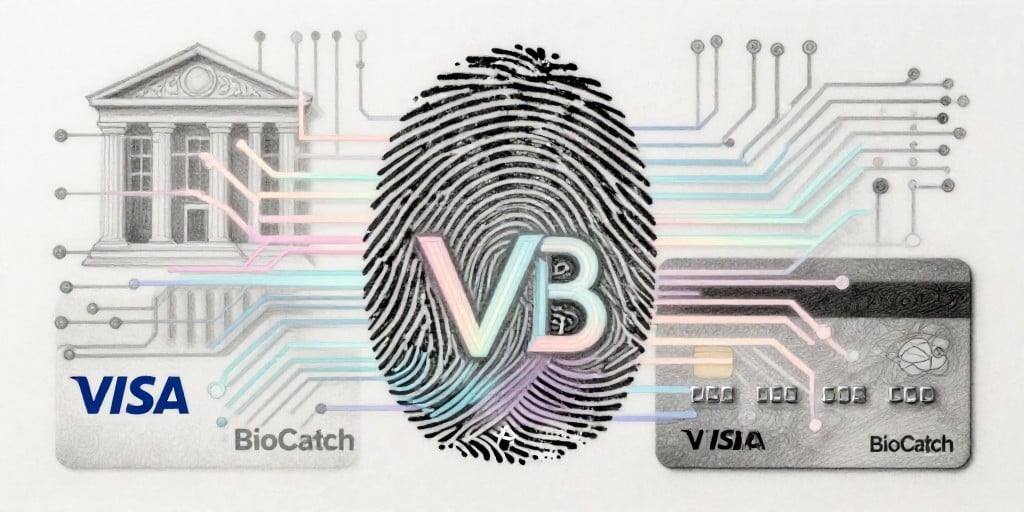
Visa Inc. Finalizes Acquisition of BioCatch to Strengthen Fraud‑Prevention Capabilities
Visa Inc. (NYSE: V) has entered into a definitive agreement to acquire the fraud‑prevention firm BioCatch for a cash consideration. The transaction, which is slated to close in the company’s fiscal second quarter of 2027 pending regulatory approval, aligns with Visa’s broader strategy to expand its cybersecurity and risk‑management portfolio in response to the escalating threat of artificial‑intelligence‑driven fraud and account‑takeover attacks.
BioCatch’s Technology and Market Position
BioCatch specializes in behavioural biometrics and machine‑learning analytics, monitoring subtle user interactions—such as keystrokes, mouse movements, and touch gestures—to detect anomalous behaviour indicative of fraud. The platform has been adopted by a diverse array of banking clients worldwide, protecting millions of users and a substantial volume of devices across multiple payment channels. Its real‑time risk assessment capability allows financial institutions to intervene before a transaction is completed, thereby reducing the likelihood of fraud‑related losses and preserving consumer trust.
Strategic Fit for Visa
By integrating BioCatch’s behavioural analytics into its existing suite of fraud‑prevention tools—including card‑holder identification, device fingerprinting, and real‑time risk scoring—Visa intends to provide its partner banks with a more comprehensive, layered defense against sophisticated fraud vectors. The acquisition reinforces Visa’s position as a leader in payment security, enabling the company to offer end‑to‑end protection that spans the entire digital payments ecosystem.
Industry Context and Broader Economic Implications
The payments industry is experiencing a rapid evolution in threat vectors, with attackers increasingly leveraging AI to mimic legitimate user behaviour. According to industry reports, AI‑enabled fraud incidents have risen by more than 30% over the past two years, underscoring the urgency for advanced behavioural detection. Visa’s investment in BioCatch reflects a broader trend among payment networks and financial institutions to adopt predictive analytics and behavioural biometrics as core components of their risk‑management frameworks.
Moreover, the transaction illustrates the convergence of fintech and cybersecurity, two sectors that are becoming inextricably linked in the digital economy. As regulatory bodies impose stricter data protection and transaction‑security mandates, firms that can demonstrably reduce fraud risk while maintaining seamless customer experiences will gain a competitive advantage. Visa’s expanded offering is expected to translate into lower fraud‑related costs for banks, improved compliance postures, and potentially higher consumer confidence in electronic payments.
Regulatory and Market Outlook
The deal is contingent upon customary regulatory approvals, including antitrust clearance in relevant jurisdictions. Given Visa’s status as a globally dominant payments processor, regulatory scrutiny is anticipated to be rigorous but consistent with prior approvals for similar acquisitions in the cybersecurity domain. Market observers suggest that the acquisition could prompt other payment processors to accelerate their own cybersecurity investments, potentially leading to a wave of consolidation among fraud‑prevention vendors.
Conclusion
Visa’s definitive agreement to acquire BioCatch represents a calculated move to enhance its cybersecurity capabilities against a backdrop of rapidly evolving cyber threats. By leveraging behavioural biometrics and machine‑learning insights, Visa is positioning itself to provide its banking partners with sophisticated, proactive fraud detection that can adapt to emerging attack methods. The transaction underscores the importance of cross‑industry collaboration between payments and cybersecurity, and highlights the economic imperative for financial institutions to invest in technologies that safeguard digital transactions and reinforce consumer trust.