
Corporate Market Review – Energy‑Sector Dynamics and Broader Implications
The Vienna exchange closed the day with modest gains, largely driven by the performance of oil‑related stocks amid persistent Middle Eastern tensions that have kept crude prices elevated. In the Austrian market, shares of the integrated energy producer OMV increased significantly, adding to the gains seen by other petroleum‑related names such as SBO. The rise in OMV’s share price was one of the most substantial contributors to the index’s overall positive movement.
Energy Supply‑Demand Fundamentals
Crude oil prices have remained in the $75–80 per barrel range for the past several weeks, buoyed by a combination of geopolitical uncertainty and a gradual slowdown in global demand growth. The International Energy Agency (IEA) projects a 1.8 % increase in global oil demand for 2026, but this growth is tempered by a tightening in refining margins and a shift toward higher‑quality fuels. On the supply side, OPEC+ has maintained a modest production cut, while non‑OPEC producers have kept output largely stable. These dynamics have reinforced the current upward pressure on spot and futures prices, providing a backdrop for the gains observed in oil‑sector equities.
Technological Innovations in Production and Storage
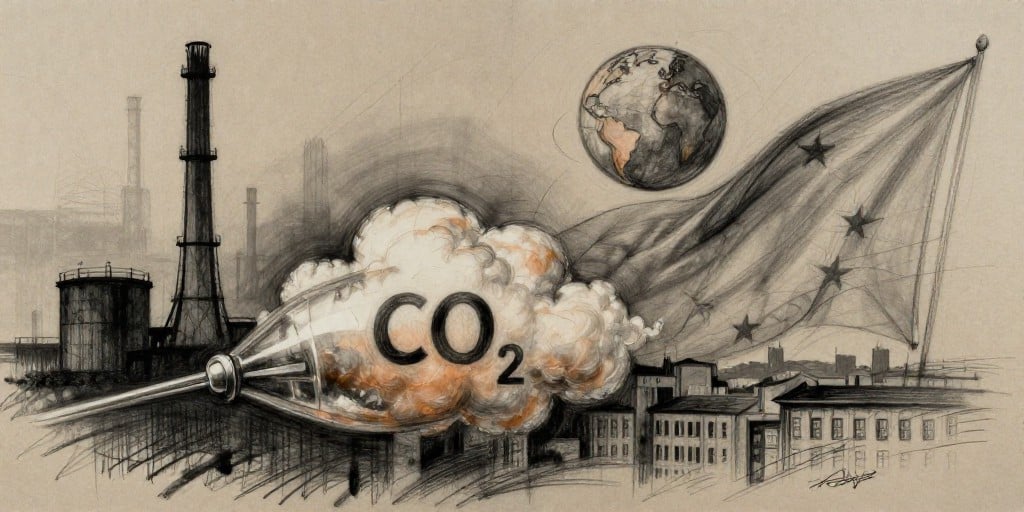
In addition to conventional oil and gas, the sector is experiencing accelerated investment in advanced extraction technologies, including enhanced oil recovery (EOR) and carbon‑capture, utilization, and storage (CCUS) projects. OMV, for example, recently announced a new CCUS facility aimed at reducing its net CO₂ emissions by 30 % over the next decade, aligning with the European Union’s Green Deal targets. This investment is expected to improve the company’s long‑term competitiveness by mitigating regulatory risks and potentially qualifying for carbon credits under the EU Emission Trading System (ETS).
Storage technology has also seen notable progress. The deployment of large‑scale battery storage in Germany and the Netherlands has increased the flexibility of renewable generation, reducing curtailment and improving grid stability. These developments are likely to influence the performance of utilities such as EVN and Verbund, which have both expanded their renewable portfolios and invested in storage solutions to enhance their operational resilience.
Regulatory Impacts on Traditional and Renewable Sectors
Regulatory frameworks continue to shape the trajectory of the energy transition. The European Central Bank’s forthcoming policy meeting is expected to address the implications of rising energy prices on monetary policy, potentially influencing the cost of capital for large infrastructure projects. Simultaneously, the European Commission’s “Fit for 55” package proposes stricter emissions standards and increased funding for renewable projects, which will likely bolster the valuation of renewable assets while imposing compliance costs on traditional energy producers.
The recent adjustments to price targets and analyst recommendations for industrial and construction companies—such as AT&S, Porr, and Wienerberger—reflect the broader market’s cautious optimism. These companies face a dual challenge: maintaining profitability amid fluctuating input costs and meeting increasingly stringent ESG criteria.
Infrastructure Developments and Market Dynamics
Infrastructure projects, particularly in the electricity and gas sectors, are influencing market expectations. The Austrian government’s planned expansion of the high‑voltage transmission grid will enable greater integration of renewable sources and reduce bottlenecks in cross‑border energy flows. Moreover, the completion of the Trans‑European Pipeline (TEP) will enhance natural gas security and could moderate gas price volatility, benefiting both producers and consumers.
Commodity price analysis underscores the interdependence between oil, gas, and electricity markets. Rising oil prices have historically translated into higher heating costs and increased electricity generation costs, which in turn can elevate wholesale electricity prices. However, the diversification of generation sources and the expansion of storage capacity are mitigating these effects, creating a more balanced energy mix that supports stable economic growth.
Short‑Term Trading Versus Long‑Term Transition Trends
In the short term, market participants are focusing on immediate catalysts such as upcoming earnings releases from major U.S. corporations, the ECB’s interest rate decision, and the latest geopolitical developments in the Middle East. These factors will influence intraday volatility and may temporarily sway investor sentiment toward more defensive or speculative positions.
Conversely, long‑term trends—particularly the shift toward decarbonization, the rise of renewable energy, and the deployment of energy storage—are reshaping the fundamental drivers of the energy sector. Companies that align their strategies with these trends, through investment in low‑carbon technologies and sustainable supply chains, are likely to experience enhanced resilience and value creation over the coming decade.
Conclusion
The Vienna market’s modest gains reflect a complex interplay between short‑term trading dynamics and long‑term energy transition trajectories. While oil‑related stocks benefited from sustained geopolitical tensions and robust crude prices, the broader sector’s resilience is increasingly tied to technological innovation, regulatory evolution, and infrastructure expansion. Investors and analysts will continue to monitor both market catalysts and structural changes to assess the evolving landscape of the global energy economy.