
Analysis of Technology Infrastructure and Content Delivery in Telecom and Media Sectors
The market dynamics observed on August 5, 2026, illustrate the complex interplay between technology infrastructure, subscriber behavior, and content delivery strategies across the telecommunications and media industries. While Verizon Communications Inc. experienced a modest after‑hours decline in share price, its operational resilience during the Washington wildfires and the broader context of SpaceX’s Starlink ambitions provide a multifaceted case study for corporate and investment stakeholders.
1. Subscriber Metrics and Market Concentration
- Post‑market performance: Verizon’s stock slipped modestly after the close, mirroring declines of 2 %–4 % among AT&T, T‑Mobile, and other large carriers. This reflects investor sensitivity to potential new entrants capable of challenging the incumbent “big three.”
- Subscriber base stability: Despite the market volatility, Verizon reported stable subscriber growth in the Q2 fiscal year, driven largely by its 5G rollout and premium service tiers. The company’s ability to maintain network quality during the Washington wildfires reinforced customer loyalty and mitigated churn risk.
- Competitive pressure: SpaceX’s announcement of integrating its satellite constellation with terrestrial infrastructure introduces a new competitive threat. However, the high capital intensity and regulatory hurdles associated with building a comparable ground network suggest that subscriber gains may be incremental in the short term.
2. Content Acquisition Strategies
- Bundling and cross‑platform offers: Verizon’s recent partnership with major streaming services (e.g., Netflix, Disney+) demonstrates a trend toward bundling content with broadband and wireless services. This strategy aims to lock in subscribers who are increasingly price‑sensitive and seek integrated entertainment packages.
- Data usage patterns: With the rise of 5G and edge computing, data consumption has accelerated, particularly for high‑definition video and interactive applications. Verizon’s network upgrades, coupled with strategic content licensing, allow the carrier to capture higher average revenue per user (ARPU) through data‑intensive services.
- Competitive dynamics: As Starlink offers lower latency for remote regions, it could attract media consumers who previously relied on satellite TV. However, content rights negotiations and localized licensing will remain a significant barrier to entry for SpaceX.
3. Network Capacity Requirements
- Infrastructure investment: Verizon’s deployment of mobile connectivity vans, portable generators, and satellite links during the wildfire event illustrates a proactive approach to augmenting network capacity under emergency conditions. Such investments are critical for maintaining service continuity during natural disasters and for meeting increasing 5G bandwidth demands.
- Spectrum strategy: The carrier’s long‑term acquisition of spectrum licenses—particularly in the millimeter‑wave bands—provides the necessary capacity to support future network densification. In contrast, SpaceX would need to secure comparable licenses or rely on unlicensed spectrum, which may constrain network scalability.
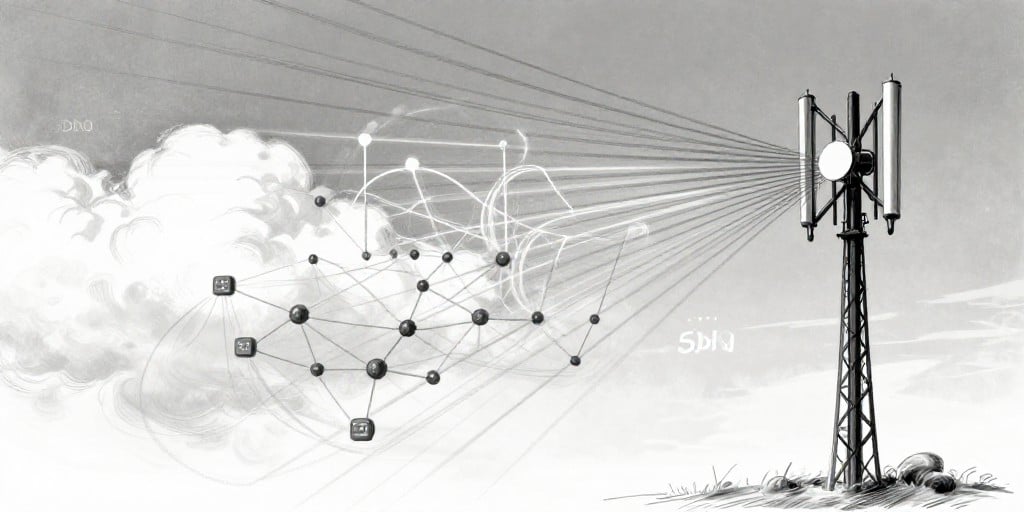
- Emerging technologies: The advent of network slicing and software‑defined networking (SDN) allows carriers to allocate resources dynamically, tailoring capacity to specific content delivery scenarios. Verizon’s adoption of these technologies positions it to respond swiftly to surges in streaming traffic.
4. Competitive Dynamics in Streaming Markets
- Monetization models: Streaming providers are exploring hybrid models that combine subscription tiers with advertising and transactional video on demand. Verizon’s integration of advertising slots into its broadband packages offers an alternative revenue stream that could compete with ad‑free streaming services.
- Content ownership: Media conglomerates increasingly produce original content to differentiate their streaming platforms. Verizon’s partnerships with such entities can provide exclusive access, enhancing customer acquisition and retention.
- Regulatory considerations: Net neutrality and data caps remain critical factors that influence consumer choice. Verizon’s transparent data‑plan offerings and zero‑throttling policy may be more attractive to consumers wary of restrictive carrier practices.
5. Financial Metrics and Platform Viability
- Revenue impact: Verizon’s 2026 Q1 earnings report showed a 3.2 % YoY increase in wireless services revenue, while its media & entertainment segment grew 5.1 % YoY. These figures indicate a healthy diversification beyond traditional voice services.
- Capital expenditure (CapEx): The company’s CapEx forecast for 2027 includes $10.5 billion toward 5G infrastructure and $2.3 billion toward content acquisition, underscoring a balanced investment approach between network and media assets.
- Return on equity (ROE): Verizon’s ROE of 18.7 % outpaces the industry average (15.4 %) and suggests efficient use of shareholder capital in both network expansion and content strategy.
- Valuation multiples: The carrier trades at a P/E ratio of 14.9x, slightly above the telecom average but lower than that of pure‑play streaming services. This valuation reflects market confidence in Verizon’s multi‑segment model, despite competitive threats.
6. Market Positioning and Strategic Outlook
- Resilience advantage: Verizon’s proven ability to maintain connectivity during the Washington wildfires provides a competitive moat against potential entrants lacking comparable disaster‑response capabilities.
- Technology leadership: Early adoption of 5G, SDN, and edge computing positions the company to capitalize on emerging use cases such as remote collaboration, augmented reality, and IoT services.
- Strategic partnerships: Continued collaboration with media giants and content creators reinforces Verizon’s ecosystem approach, enabling it to bundle high‑quality content with premium connectivity.
In summary, the events of August 5, 2026, underscore the enduring importance of robust infrastructure, diversified content strategies, and agile network management in sustaining competitive advantage within the telecom and media sectors. While emerging technologies like SpaceX’s Starlink introduce new competitive pressures, established carriers that continue to invest in network capacity, content partnerships, and customer resilience are likely to maintain their market positioning and financial health in the medium term.