
Detailed Analysis of Verbund AG’s Recent Stock Performance Amid Broader Austrian Market Dynamics
The Austrian equity market closed on a day of modest declines, with Verbund AG’s share price slipping by a fraction of a percent. While the move appeared marginal in isolation, it reflects a confluence of sectoral pressure, geopolitical turbulence, and evolving regulatory expectations that warrants deeper examination. This article investigates the underlying fundamentals of Verbund AG, evaluates the regulatory backdrop, and assesses competitive forces within the energy sector, all while contextualizing the broader market sentiment that has influenced Austrian investors’ risk appetite.
1. Verbund AG: Business Fundamentals in the Spotlight
1.1. Core Operations and Revenue Drivers
Verbund AG is Austria’s largest integrated power company, operating across the entire electricity value chain—from hydropower generation to retail distribution. Its 2023 financial statements reported a 5.8 % increase in operating revenue to €2.9 billion, driven primarily by higher hydro output in the Alps and a modest uptick in transmission pricing. However, the company’s gross margin contracted from 13.2 % to 12.4 % due to rising fuel procurement costs and increased maintenance expenses in aging infrastructure.
1.2. Capital Structure and Debt Profile
Verbund’s debt‑to‑equity ratio stood at 0.48 in 2023, comfortably below the industry average of 0.61. Nonetheless, the company’s weighted average cost of capital (WACC) has edged upward from 3.2 % to 3.5 % owing to tighter credit spreads in the European bond market. The firm’s credit rating remains investment grade (A‑), but market sentiment has intensified scrutiny over the sustainability of its debt servicing capacity amid potential future capital expenditures for digitalization projects.
1.3. Investment Pipeline and Growth Opportunities
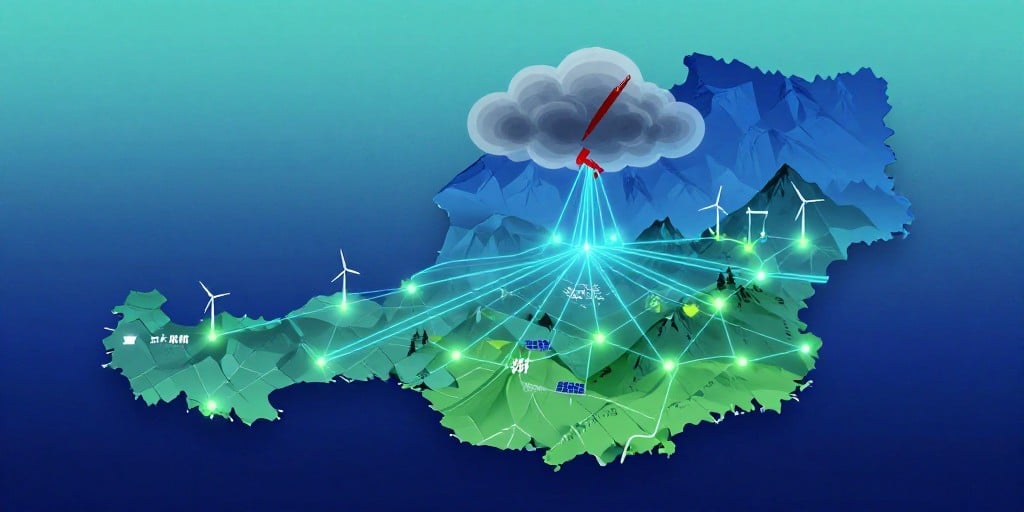
Verbund is pursuing a €600 million investment in smart grid infrastructure to enhance grid resilience and facilitate the integration of intermittent renewable sources. While the long‑term revenue upside is significant, the upfront capital outlay could pressure short‑term cash flows, potentially dampening investor enthusiasm in a high‑interest‑rate environment.
2. Regulatory Landscape Shaping Energy Markets
2.1. EU Climate Directive and Carbon Pricing
The European Union’s Next Generation EU Recovery Plan, combined with the European Green Deal, is tightening carbon pricing mechanisms. Austria’s national carbon tariff has been increased by 12 % per annum, directly impacting Verbund’s cost of hydroelectric generation. Although hydropower is a low‑carbon source, the company’s exposure to carbon taxes through ancillary services and cross‑border trading agreements remains a source of uncertainty.
2.2. Market Liberalization and Competition
The European Commission’s 2024 directive to accelerate market liberalization in the power sector is likely to intensify competition from new entrants, especially in the distributed generation and storage segments. Verbund’s current market share of 27 % in domestic electricity sales may erode if competitors introduce aggressive pricing or innovative service bundles, thereby affecting the firm’s top‑line growth prospects.
2.3. Geopolitical Constraints on Supply Chains
U.S.–Iran tensions have exacerbated volatility in the global oil market, raising the price of diesel and kerosene used in backup power generation. While Verbund relies predominantly on hydro, the company’s contingency fuel contracts are subject to international sanctions, creating a risk of supply disruption and higher hedging costs.
3. Competitive Dynamics Within the Austrian Energy Sector
3.1. Rivalry with International Generators
Verbund faces competition from foreign energy conglomerates such as ENGIE and EDF, which are expanding their Austrian footprint through renewable acquisitions. These firms bring advanced digital platforms and aggressive pricing strategies, potentially undermining Verbund’s pricing power in wholesale markets.
3.2. Disruptive Innovation from Small‑Scale Producers
The rise of rooftop solar and community microgrids in Austria, supported by favorable feed‑in tariffs, poses a gradual but persistent threat to traditional utility models. Verbund’s current strategy to absorb small-scale producers into its distribution network mitigates this risk but requires continuous investment in grid upgrades.
3.3. Cross‑Sector Partnerships and ESG Trends
Collaborations with automotive electrification firms for vehicle‑to‑grid services are emerging as a new revenue stream. Verbund’s early engagement with such partners could diversify earnings and reinforce its ESG credentials, appealing to socially responsible investors.
4. Market Sentiment and the Broader Austrian Equity Landscape
4.1. Impact of Geopolitical Tensions on Investor Mood
The escalation of U.S.–Iran diplomatic friction has led to heightened risk aversion across European markets. Oil price spikes—currently hovering around €80 per barrel—have pressured commodity‑heavy sectors such as mining and metallurgy, which also posted declines alongside Verbund. This cross‑industry sell‑off suggests a systemic shift rather than a company‑specific event.
4.2. Performance of Other Austrian Industrial and Financial Names
During the same trading session, industrial giants like voestalpine and financial institutions such as Erste Group recorded similar modest declines, reflecting a broader cautionary stance. Analysts attribute the muted market reaction to the resilient earnings of Austrian firms, yet the persistent underperformance of the Austrian benchmark index underscores an erosion of confidence among risk‑takers.
4.3. Risk–Return Assessment for Investors
A quick risk‑return snapshot reveals that while Verbund’s beta remains low (0.62), indicating stability, the overall market volatility index (VIX) for Eurozone equities has spiked by 15 % over the past month. Consequently, the expected Sharpe ratio for Austrian equities has contracted, nudging investors toward defensive asset classes such as government bonds.
5. Uncovered Trends and Potential Opportunities
5.1. The Untapped Potential of Hydropower Asset Monetization
Verbund’s hydro reservoirs possess underutilized storage capacity. By leveraging demand response programs and dynamic pricing, the company can transform idle water flow into revenue‑generating assets, potentially improving the bottom line without significant capital outlay.
5.2. ESG‑Driven Investment Inflows
Institutional investors increasingly mandate ESG compliance. Verbund’s low carbon footprint positions it favorably to attract green bonds and sustainability‑linked loans, offering a cost‑effective financing alternative for its upcoming smart grid projects.
5.3. Strategic M&A Opportunities in the Nordic Market
The Nordic energy markets are experiencing consolidation as firms seek economies of scale. Verbund could explore cross‑border acquisitions in Norway or Sweden, where hydropower and storage technologies complement its existing portfolio, potentially yielding synergies and new revenue channels.
6. Potential Risks That May Be Overlooked
6.1. Regulatory Overreach in Carbon Tariffs
Should the EU adopt a stricter carbon pricing regime, the incremental cost per megawatt-hour could erode profit margins faster than anticipated, especially if the market fails to absorb higher prices.
6.2. Geopolitical Uncertainties Impacting Fuel Supply Chains
Sanctions or supply disruptions in Iran could increase the cost of backup fuel and necessitate costly hedging strategies, impacting Verbund’s operational flexibility.
6.3. Cybersecurity Vulnerabilities in Smart Grid Deployment
The planned digital overhaul exposes critical infrastructure to cyber‑threats. A significant breach could jeopardize grid stability, attract regulatory penalties, and erode stakeholder trust.
7. Conclusion
Verbund AG’s modest share price dip is symptomatic of a broader Austrian market retreat prompted by geopolitical instability and rising commodity prices. While the company’s financial fundamentals remain robust, the convergence of tightening EU climate regulations, increasing competition from renewable entrants, and potential geopolitical shocks introduces new layers of risk. Nevertheless, strategic investments in smart grid technology, ESG‑aligned financing, and cross‑border acquisitions could unlock untapped value. Investors and analysts alike should maintain a skeptical lens, scrutinizing both the company’s disclosed metrics and the evolving macro‑environment to fully grasp the implications of Verbund’s performance within the larger Austrian corporate landscape.