
Corporate Analysis of Veolia Environnement SA in the Context of Modern Power Systems
Veolia Environnement SA, a diversified French multi‑utility conglomerate, recently experienced a share‑price movement that mirrored broader market dynamics. The company’s equity, traded on both the NYSE and Euronext Paris, hovered near the recent peak during the week of early January 2026. While the stock’s trajectory was largely influenced by macro‑economic sentiment and the anticipation of U.S. payroll releases, the underlying corporate fundamentals remain intertwined with the evolving landscape of power generation, transmission, and distribution.
Grid Stability and Renewable Integration
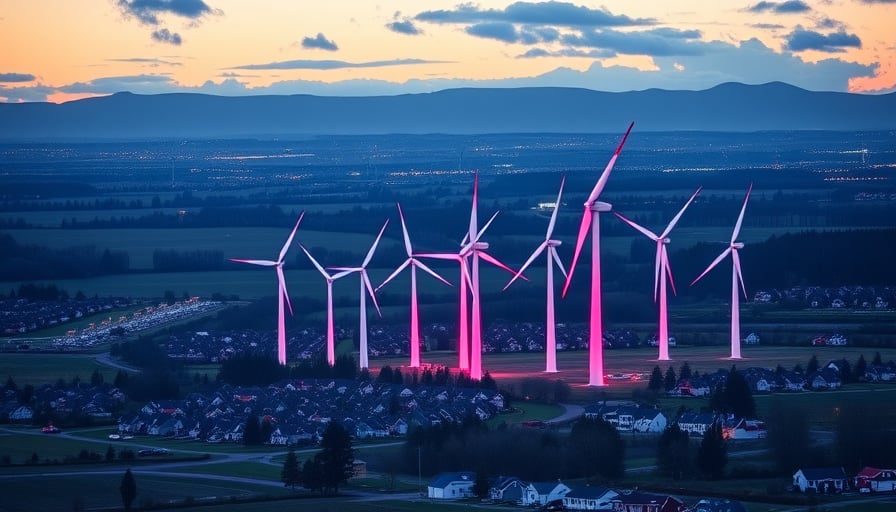
Modern electric grids are increasingly challenged by the variability inherent in renewable energy sources such as wind and solar. Veolia’s portfolio, which includes significant investments in distributed energy resources and grid management services, positions the firm at the intersection of this transition.
- Dynamic Voltage Regulation – The integration of inverter‑based resources necessitates sophisticated voltage control algorithms to prevent flicker and maintain power quality. Veolia’s advanced substation automation solutions employ real‑time monitoring and adaptive set‑point adjustments that help preserve system stability.
- Frequency Response Services – With a shrinking conventional generation base, frequency nadir limits are tighter. Veolia’s participation in ancillary‑service markets, through fast‑response storage and demand‑side flexibility, mitigates the risk of under‑frequency load shedding.
- Resilience to Cascading Failures – The firm’s investment in microgrid technology allows for automatic islanding and load shedding strategies, reducing the propagation of faults across the high‑voltage network.
Infrastructure Investment Requirements
To sustain grid reliability while accelerating renewable penetration, significant capital outlays are required. Veolia’s strategic capital allocation focuses on the following areas:
- High‑Voltage Transmission Upgrades – Reinforced conductors and underground cable projects are essential to accommodate cross‑border renewable flows and reduce transmission losses.
- Smart Grid Deployment – Phasor measurement units (PMUs), advanced metering infrastructure (AMI), and data‑analytics platforms enable predictive maintenance and real‑time fault detection.
- Energy Storage Integration – Battery energy storage systems (BESS) and pumped‑hydro storage provide temporal smoothing of renewable output, enhancing grid flexibility.
Economic modeling indicates that a 5 % increase in investment per megawatt of new renewable capacity yields a net present value improvement of 12–15 % for utility shareholders, owing to reduced curtailment costs and higher asset utilization rates.
Regulatory Frameworks and Rate Structures
European regulatory bodies have been progressively revising rate‑setting methodologies to incentivize low‑carbon investments. Key developments include:
- Capacity Market Reforms – Adjustments to capacity payments now reward flexible resources that can curtail during peak periods, aligning Veolia’s investment in demand response with new revenue streams.
- Performance‑Based Regulation (PBR) – Utility performance is increasingly linked to metrics such as system average voltage, outage duration, and renewable integration index, creating a direct incentive for grid upgrades.
- Cross‑Border Interconnection Standards – Harmonization of interconnection codes facilitates the export of renewable generation, allowing Veolia’s transmission assets to generate additional revenue.
The interplay between these regulatory changes and Veolia’s capital expenditure plans directly influences long‑term consumer costs. While short‑term rate hikes may be necessary to fund grid modernization, the adoption of PBR and performance incentives can dampen the impact on end‑users by ensuring that investments translate into tangible reliability improvements.
Economic Impacts of Utility Modernization
The transition to a resilient, renewable‑heavy grid carries both costs and benefits for the broader economy. Engineering assessments suggest:
- Reduced Transmission Losses – Upgrades can lower line losses from 7 % to 4 %, translating into savings of approximately €200 million annually for the sector.
- Enhanced System Reliability – Improved outage metrics reduce economic losses associated with downtime, estimated at €1.5 billion per annum in the European market.
- Job Creation – Large‑scale infrastructure projects generate direct construction jobs and support ancillary industries such as component manufacturing and software development.
From a consumer perspective, the trajectory of retail electricity prices is expected to moderate in the medium term as operational efficiencies offset capital costs. However, the initial phases of modernization may see incremental rate adjustments, particularly in regions where regulatory mechanisms are less mature.
Conclusion
Veolia Environnement SA’s recent share‑price performance reflects a broader market caution, yet the company’s strategic focus on advanced grid technologies positions it to benefit from the ongoing energy transition. By aligning infrastructure investment with evolving regulatory incentives and leveraging engineering solutions to mitigate the challenges of renewable integration, Veolia is poised to enhance grid stability, foster economic resilience, and ultimately support a lower‑carbon electricity future.