Corporate News Report
Var Energi ASA’s Strategic Acquisition of ConocoPhillips Assets in Norway and the United Kingdom
Var Energi ASA, a leading Norwegian oil and gas operator, has announced its intention to acquire ConocoPhillips’ upstream assets in Norway and the United Kingdom. The transaction, which will be finalized in the first quarter of next year, will bring the Greater Ekofisk area and the Teesside terminal into Var Energi’s portfolio, thereby expanding its presence in the North Sea.
Market Context and Strategic Rationale
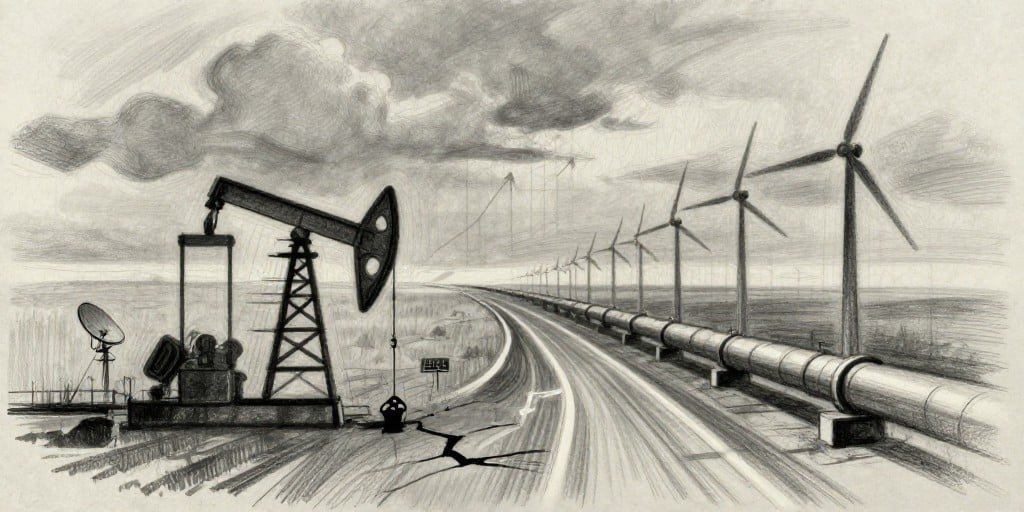
The North Sea remains a crucial, albeit aging, hub for offshore production. While many international operators are scaling back their operations in the region, Var Energi’s move underscores a strategic divergence. By consolidating its footprint in key offshore markets, the company aims to strengthen its production base and secure a more robust position in a sector facing a gradual transition to lower‑carbon energy sources.
This acquisition aligns with global trends in the energy industry, where operators are increasingly pursuing strategic acquisitions to offset declining investment returns in mature basins. Var Energi’s focus on growth through acquisitions complements its long‑term goal of maintaining a diversified asset base that balances traditional hydrocarbon production with emerging renewable energy opportunities.
Supply‑Demand Fundamentals
- Production Capacity: The Greater Ekofisk area, a high‑yield field in the Norwegian sector, contributes an estimated 100,000 barrels per day to Var Energi’s output once integrated. The Teesside terminal will enhance the company’s export capacity, improving logistics for both oil and natural gas shipments.
- Demand Outlook: Global demand for oil and natural gas remains robust, driven by industrial activity in Asia and ongoing energy security concerns in Europe. The addition of these assets positions Var Energi to capture a larger share of market demand, particularly in regions where supply is constrained by geopolitical tensions and regulatory constraints.
Technological Innovation and Production Efficiency
- Enhanced Recovery Techniques: ConocoPhillips’ assets already employ advanced hydraulic fracturing and horizontal drilling technologies. Var Energi plans to invest in further enhanced oil recovery (EOR) techniques, such as CO₂ injection, to improve long‑term recovery rates and align with carbon‑capture initiatives.
- Digitalization: Integration of ConocoPhillips’ digital asset management systems will allow Var Energi to leverage data analytics for predictive maintenance and operational optimization, reducing downtime and enhancing safety performance.
Regulatory Environment
- Oil and Gas Licensing: In Norway, the licensing regime is stringent, with a focus on environmental stewardship and community engagement. Var Energi will need to navigate these regulatory frameworks to secure necessary approvals for production scaling and infrastructure upgrades.
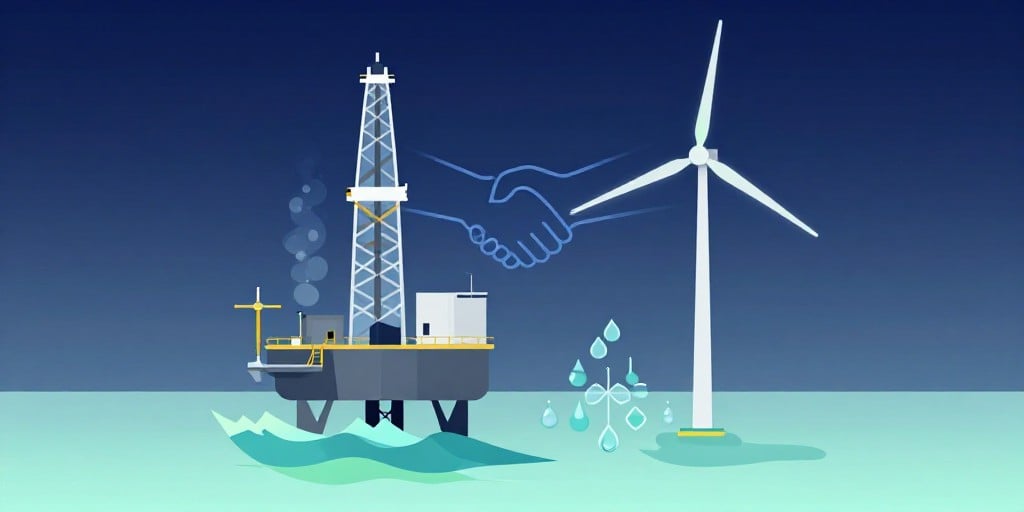
- Renewable Energy Incentives: Both Norway and the United Kingdom have aggressive renewable targets. The acquisition may open avenues for the company to leverage tax incentives and subsidies for integrating renewable generation (e.g., offshore wind) with existing gas infrastructure, creating hybrid platforms that support the broader transition.
Commodity Price Analysis
- Oil Prices: As of the latest Bloomberg data, crude oil prices are trading near $82 per barrel, reflecting geopolitical uncertainties in the Middle East and supply adjustments by OPEC+. This price trajectory suggests a favorable environment for high‑margin producers such as Var Energi.
- Natural Gas: European gas prices have surged, reaching €110 per megawatt-hour, driven by reduced Russian supplies and increased demand. Var Energi’s expanded gas pipeline capacity at Teesside will allow it to capitalize on these premium price environments.
- Implications for Profitability: The combined effect of higher commodity prices and increased production capacity is expected to boost the company’s revenue and earnings before interest, tax, depreciation, and amortization (EBITDA), providing a cushion against future market volatility.
Infrastructure Development and Capital Expenditure
- Upstream Development: The integration of Greater Ekofisk will require additional capital for drilling rig deployment, subsea pipelines, and processing facilities. Var Energi plans to fund these initiatives through a mix of debt and equity, maintaining a healthy leverage ratio.
- Teesside Terminal Upgrade: The company will invest in expanding the terminal’s storage and loading capacities, enabling it to handle larger volumes and diversify product streams, including LNG.
Balancing Short‑Term Trading and Long‑Term Transition
While the acquisition positions Var Energi to capture short‑term upside from current commodity price dynamics, the company must also navigate the long‑term energy transition:
- Diversification into Renewables: By integrating its gas infrastructure with renewable projects, Var Energi can create synergistic energy portfolios that mitigate carbon risk.
- Carbon Footprint Management: The company is likely to adopt carbon accounting frameworks (e.g., ISO 14064) to monitor and report its emissions, aligning with stakeholder expectations and potential carbon pricing mechanisms.
Conclusion
Var Energi ASA’s acquisition of ConocoPhillips’ North Sea assets represents a decisive move to consolidate its offshore presence amid a shifting industry landscape. By combining enhanced production capabilities, advanced technology, and strategic regulatory alignment, the company is poised to leverage current commodity price strengths while positioning itself for a sustainable transition in the evolving energy sector.