Valero Energy Expands Gulf Coast Footprint with Acquisition of LYB Houston Hub Holdings
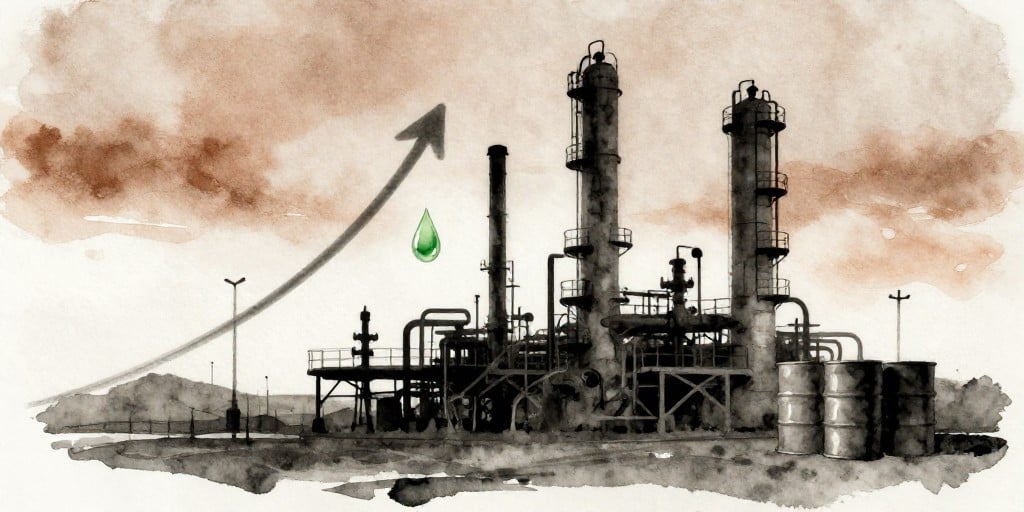
Valero Energy Corporation announced that its wholly‑owned subsidiary, Valero Refining‑Texas, has entered into a definitive agreement to acquire all outstanding equity interests of LYB Houston Hub Holdings, a subsidiary of LyondellBasell Industries. The transaction, valued at approximately $320 million, involves a 700‑acre former Houston refinery site adjacent to Valero’s existing facility on the Houston Ship Channel. The deal is expected to close by the end of the year, pending customary closing conditions and regulatory approvals.
Strategic Rationale in a Dynamic Energy Market
The acquisition is positioned as a strategic expansion of Valero’s Gulf Coast refining footprint. Management notes that the site will initially restart light sweet crude processing capacity by the end of the following year, with the possibility of future investment in high‑complexity, heavy sour crude processing. The deal is presented as a means to enhance the long‑term strength of Valero’s refining system while delivering a compelling financial return in line with the company’s capital allocation framework.
From a market perspective, the transaction aligns with current supply‑demand fundamentals in the Gulf of Mexico region. U.S. refinery throughput has rebounded after a contraction in 2023, driven by increased demand for gasoline and diesel, as well as higher crude feedstock prices. The Gulf Coast, with its proximity to key crude sources and major petrochemical hubs, remains a critical node for the U.S. energy supply chain. By adding the LYB site, Valero will increase its processing capacity, enabling better alignment with volatile crude prices and demand signals in both the domestic and export markets.
Technological and Operational Implications
The former Houston refinery site offers a platform for technological innovations in refining and downstream product quality. Valero plans to leverage its existing experience in hydrotreating, coking, and catalytic cracking to optimize product slate and improve margins. The potential future investment in heavy sour crude processing also signals a strategic shift toward higher‑value, lower‑carbon feedstocks, consistent with industry trends toward cleaner fuels and lower sulfur content.
In addition, the site’s proximity to the Houston Ship Channel provides logistical advantages for the import of crude and export of refined products. Enhanced infrastructure, including storage and distribution capabilities, will likely reduce transportation bottlenecks and improve supply chain resilience—a critical factor as the U.S. energy market faces ongoing geopolitical uncertainties and fluctuating global oil inventories.
Regulatory and Financial Context
The acquisition is subject to customary closing conditions and regulatory approvals, including scrutiny from the Federal Energy Regulatory Commission (FERC) and the U.S. Department of Justice. The transaction aligns with the broader regulatory environment that favors investments in domestic refining capacity, especially those that contribute to energy security and reduce reliance on imported fuels.
From a financial standpoint, the $320 million purchase price is consistent with recent acquisitions in the sector, where comparable assets have traded at a multiple of EBITDA ranging from 3× to 5×, depending on the asset’s operational readiness and future upgrade potential. Valero’s capital allocation framework emphasizes investments that deliver a strong return on equity while supporting strategic expansion in core refining assets.
Market Implications for Energy Commodities
The addition of the LYB site is likely to affect short‑term trading dynamics in crude and refined product markets. With increased capacity on the Gulf Coast, spot prices for Gulf of Mexico crude grades could experience downward pressure, while prices for higher‑sulfur, heavier crude grades may adjust upward due to the potential shift toward heavy sour processing. Long‑term trends in the energy transition—particularly the growing demand for low‑carbon fuels—could be accelerated by Valero’s ability to upgrade feedstock flexibility and invest in renewable co‑fuel technologies at the new site.
In the broader context of commodity price analysis, the transaction reinforces the supply‑demand balance in the Gulf Coast region, supporting a more resilient and diversified refining ecosystem. Investors and market participants will monitor the integration progress and the subsequent impact on Valero’s earnings, as well as the broader implications for U.S. refining capacity and regional supply chains.
Conclusion
Valero Energy’s acquisition of LYB Houston Hub Holdings represents a calculated move to strengthen its Gulf Coast presence and enhance operational flexibility in a rapidly evolving energy landscape. By integrating the former Houston refinery site, Valero positions itself to better navigate supply‑demand fundamentals, capitalize on technological advancements, and respond to regulatory shifts—all while contributing to the long‑term transition toward a more secure and sustainable energy system.