
Vår Energi ASA and Equinor Unveil New Barents Sea Prospect, RBC Adjusts Outlook
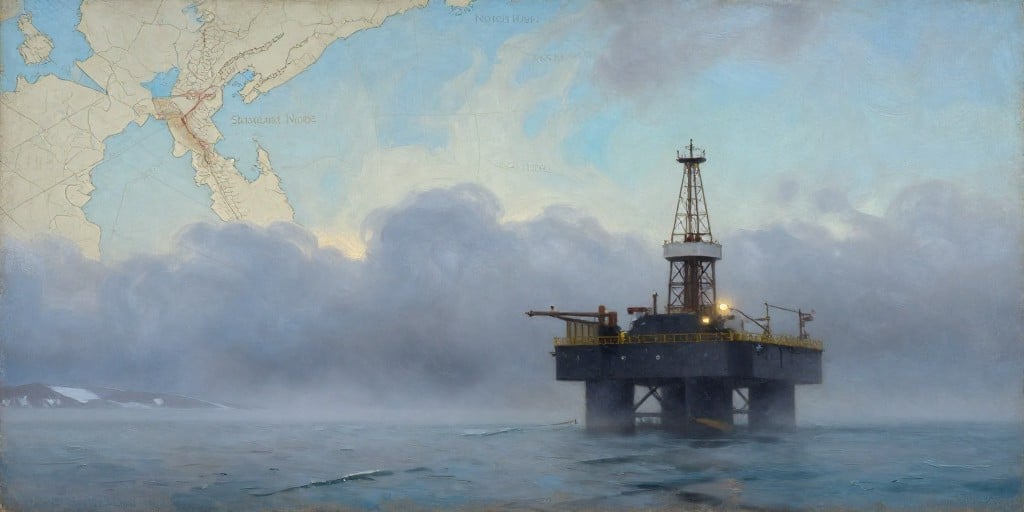
Norway, July 24 2026 – Vår Energi ASA (VÅR) and partner Equinor ASA (EQNR) announced the discovery of a new oil prospect, the Skrugard North Tube, approximately six kilometres north of the Johan Castberg field in the Barents Sea. The prospect is positioned within the same structural framework as Johan Castberg and is estimated to contain a moderate volume of recoverable oil equivalent (ROE). The two operators will evaluate the feasibility of connecting the prospect to the Johan Castberg platform, a development that could enhance the overall asset portfolio and potentially extend the field’s economic life.
Strategic Context and Market Implications
The Johan Castberg field, which has produced since 2015, is a key asset in the Norwegian sector of the Barents Sea, a region that has become increasingly attractive to operators due to its high-quality hydrocarbon reserves and improving technological feasibility for deep-water projects. The discovery of the Skrugard North Tube adds to the cumulative reservoir potential in the area and may provide a “leveraged” pathway for Vår Energi and Equinor to increase production without the capital intensity of entirely new infrastructure.
From a competitive standpoint, the development aligns with the broader Nordic strategy of incremental exploration around existing fields, a tactic that mitigates risk while capitalizing on established operational expertise. By focusing on nearby prospects, operators can leverage existing subsea infrastructure, supply chains, and permitting frameworks, thereby reducing time‑to‑production and improving cost profiles.
RBC’s Revised Rating and Analyst Perspective
In parallel with the exploration news, RBC Capital Markets revised its rating on Vår Energi to “Sector Perform (Outperform)” and set a new target price of 55 NOK per share. The rating change reflects a cautious yet supportive view of Vår Energi’s prospects relative to its peer group, taking into account:
| Factor | Assessment |
|---|---|
| Asset Base | Moderate‑size, high‑quality reserves with potential upside from the Skrugard discovery. |
| Capital Efficiency | Strong cash flow generation from Johan Castberg, enabling modest investment in exploration. |
| Cost Structure | Operating costs remain below the sector median, providing margin resilience. |
| Risk Profile | Geopolitical and regulatory risks in the Barents Sea are moderate; environmental compliance continues to be a priority. |
RBC’s upward revision signals confidence in the company’s ability to translate exploration success into financial performance, while also acknowledging the inherent uncertainties associated with oil field development timelines.
Share Price Dynamics and Investor Sentiment
Following the announcement, Vår Energi’s share price has exhibited a subtle upward drift, likely reflecting the dual impact of a positive exploration outlook and the rating adjustment. Market participants are evaluating the implications of the new prospect, particularly:
- The potential for early production integration, which could enhance cash flow streams ahead of a full field development.
- The influence of the rating change on institutional demand, especially from funds that monitor sector performance relative to peers.
- The broader economic environment, where energy security considerations and volatile oil price dynamics continue to shape investor expectations.
While the discovery does not guarantee immediate production expansion, it introduces a new revenue stream that will be monitored closely as development feasibility studies progress. Investors are also paying attention to Vår Energi’s capital allocation decisions, as the company balances exploration risk with the need to maintain a healthy balance sheet.
Cross‑Sector Connections and Macro Trends
The Barents Sea developments underscore a broader industry trend toward “field‑adjacent” exploration, where operators seek incremental upside in proximity to existing assets. This strategy is increasingly prevalent across the North Sea, the Gulf of Mexico, and other mature basins. Moreover, the focus on moderate‑size discoveries aligns with a global shift toward more cost‑efficient, high‑quality reserves in an era of tightening environmental regulations and shifting energy portfolios.
From an economic standpoint, the continued activity in the Norwegian sector reflects the country’s strategic emphasis on energy independence and robust fiscal returns. As global oil demand stabilizes, operators will likely prioritize projects that offer favorable risk‑return profiles, further reinforcing the importance of disciplined exploration and efficient asset integration.
Conclusion
The discovery of the Skrugard North Tube prospect represents a meaningful addition to Vår Energi’s asset base, while RBC’s rating upgrade injects a modest boost of investor confidence. The company’s strategic focus on near‑field exploration, coupled with its solid operational foundation, positions it to potentially enhance its production portfolio without incurring disproportionate capital risk. Stakeholders will closely monitor the outcome of feasibility studies and the subsequent development path, which will ultimately determine the impact on Vår Energi’s financial performance and market valuation.