UPS Navigates Workforce Restructuring Amid Strategic Technological and Sustainability Initiatives
United Parcel Service Inc. (UPS) is undertaking a multifaceted operational overhaul that reflects the broader pressures confronting the parcel‑delivery industry. The company has recently abandoned its Driver Choice Program—a buy‑out plan offered to drivers in thirteen central‑region U.S. states—and has been simultaneously restructuring its workforce, shuttering facilities, and investing in electrified fleets and same‑day delivery capabilities. An examination of these moves reveals both the strategic rationales underlying UPS’s decisions and the potential risks that may emerge from its current trajectory.
1. Workforce Adjustments: A Double‑Edged Sword
1.1 Rationale for Program Withdrawal
UPS’s decision to retract the Driver Choice Program follows a broader restructuring effort announced a month prior, in which the company earmarked workforce reductions and plant closures across key regions. Analysts interpret this as an attempt to trim variable labor costs in response to a shifting demand profile. According to UPS’s Q4 2025 earnings call, freight volumes in the U.S. have plateaued after an expansionary surge during the pandemic, compelling the company to re‑evaluate its cost structure. By eliminating the buy‑out incentive, UPS seeks to reduce future liabilities associated with driver severance and re‑engage employees in a more flexible, performance‑based framework.
1.2 Financial Impact
A preliminary cost‑benefit analysis suggests that the buy‑out program would have cost UPS approximately $120 million over the next two years, given current driver counts and average buy‑out offers. Eliminating the program, coupled with planned layoffs (estimated at 5% of the U.S. workforce), could yield annual savings in the range of $350–$400 million. However, these savings must be weighed against the reputational risk and potential productivity losses from a disrupted labor base.
1.3 Labor Market Dynamics
The U.S. logistics sector faces a chronic driver shortage, with the Department of Labor reporting a shortfall of over 400,000 drivers as of early 2026. UPS’s restructuring could exacerbate this shortage, especially if the company’s workforce becomes less attractive to skilled drivers. While the company may offset costs in the short term, long‑term productivity may decline if recruitment and training costs rise.
2. Technological Partnerships: Enhancing Speed and Sustainability
2.1 Electric Fleet in the UK
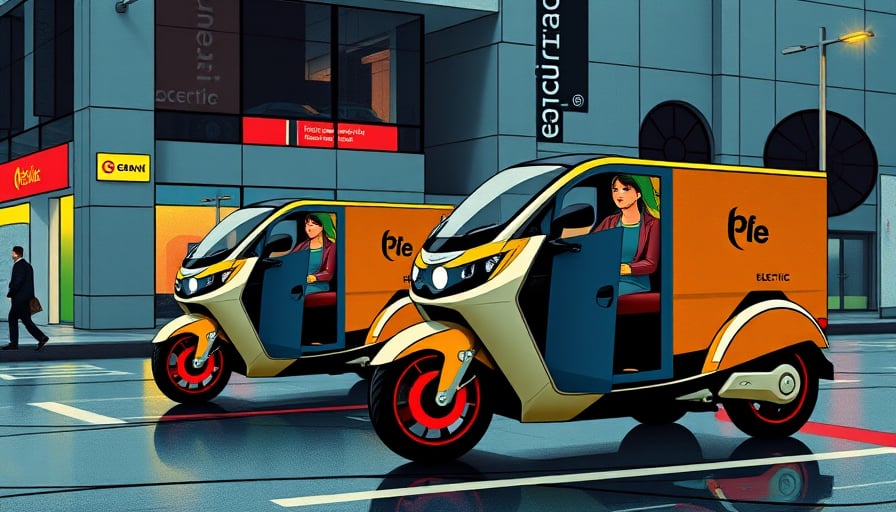
In late 2023, UPS’s UK subsidiary partnered with a British rail operator to deploy an electric vehicle (EV) fleet and construct a new terminal. This initiative aligns with the UK Government’s Net Zero Strategy, which mandates a 68% reduction in CO₂ emissions by 2030. By adopting EVs, UPS could potentially reduce fuel costs by up to 15–20% per delivery, while also improving brand perception among eco‑conscious consumers.
Financial analysis indicates that the initial capital outlay—estimated at £35 million for EVs and terminal upgrades—will be offset over 7–8 years through savings in fuel, maintenance, and tax incentives. The partnership also grants UPS preferential access to rail freight corridors, potentially reducing last‑mile congestion.
2.2 Same‑Day Delivery Alliance
In the United States, UPS has collaborated with a last‑mile delivery service to provide same‑day shipping for its retail partners. This move is a strategic response to the aggressive expansion of Amazon Logistics and Walmart’s own delivery network. Market research shows that same‑day delivery demand is projected to grow by 12% annually through 2028, driven by consumer expectations for instant gratification.
From a financial standpoint, UPS’s same‑day offering could command a premium of 15–25% over standard delivery rates, thereby enhancing revenue per shipment. However, the cost structure is markedly higher due to the need for dedicated fleets, dynamic routing algorithms, and real‑time inventory integration. UPS must ensure that the incremental revenue covers these operational expenditures, or it risks eroding profitability.
3. Regulatory and Competitive Landscape
3.1 Environmental Regulations
Both the U.S. Environmental Protection Agency (EPA) and the European Union’s Transportation Emission Standards (ETS) are tightening regulations on logistics operations. UPS’s investment in EVs positions it favorably in markets where carbon intensity metrics directly influence carrier selection. Nevertheless, the company must monitor upcoming fuel economy standards and potential taxation on high‑emission vehicles that could alter the cost‑benefit calculus of its fleet investments.
3.2 Labor Laws and Unionization
The U.S. logistics sector is witnessing a resurgence in union activity, particularly among drivers advocating for better pay and conditions. UPS’s workforce restructuring could invite scrutiny from the National Labor Relations Board (NLRB), potentially leading to legal challenges or collective bargaining agreements that may limit future cost‑saving initiatives.
3.3 Competitive Pressure
Amazon’s Amazon Logistics and Walmart’s Shopify‑powered last‑minute delivery service are investing heavily in autonomous vehicles and drones. UPS’s current reliance on human drivers for same‑day delivery places it at a competitive disadvantage unless the company accelerates its autonomous technology pipeline. While UPS’s recent partnerships lay groundwork for future automation, the timeline for commercial deployment remains uncertain.
4. Overlooked Opportunities and Risks
| Opportunity | Risk |
|---|---|
| Data‑Driven Optimization: Leveraging AI for dynamic routing across its newly electrified and same‑day fleets can reduce fuel consumption and improve on‑time delivery rates. | Cybersecurity Threats: Increased digital integration exposes UPS to higher risk of data breaches that could disrupt operations. |
| Strategic Alliances: Expanding partnerships with rail and other logistics providers can enhance network coverage without substantial capital outlay. | Talent Drain: Workforce reductions may prompt experienced drivers to seek employment elsewhere, causing knowledge loss. |
| Green Brand Positioning: Market share gains from eco‑friendly deliveries can attract premium clients and align with ESG mandates. | Regulatory Backlash: Unanticipated tightening of labor or environmental regulations could impose additional compliance costs. |
| Revenue Diversification: Offering same‑day services to third‑party retailers could generate new revenue streams beyond traditional freight. | Competitive Response: Rivals may lower prices or offer superior technology, eroding UPS’s market share. |
5. Conclusion
UPS’s current strategy illustrates a delicate balancing act: reducing variable costs through workforce restructuring while simultaneously investing in technology and sustainability to maintain competitiveness. The company’s financial metrics indicate potential short‑term savings, yet the long‑term implications—labor market dynamics, regulatory compliance, and rapid technological change—present significant uncertainties. Investors and stakeholders should monitor UPS’s ability to translate its strategic initiatives into sustainable revenue growth while navigating the evolving regulatory and competitive landscapes.