United Parcel Service to Cooperate with FAA Following Miami Tarmac Collision
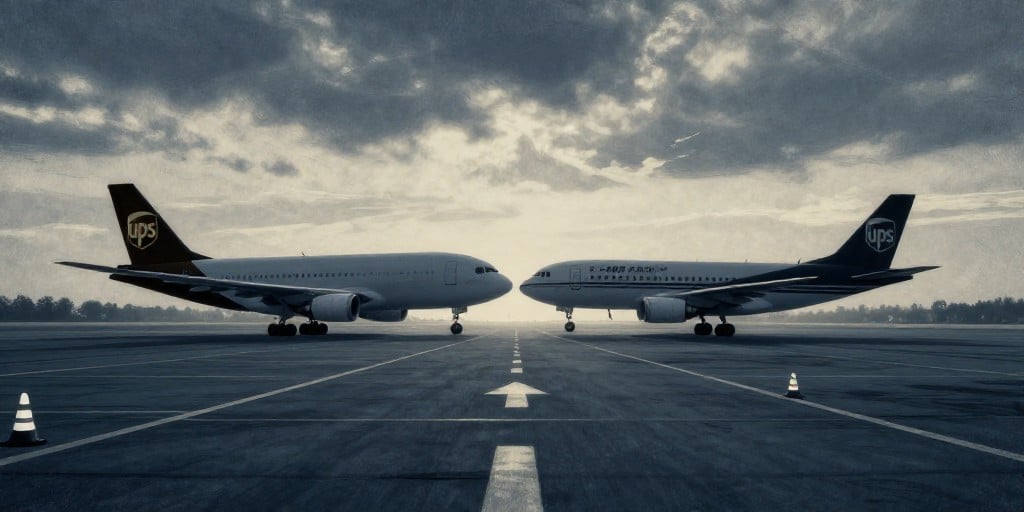
United Parcel Service (UPS) has confirmed that it will work closely with regulatory authorities following a collision on the tarmac at Miami International Airport. The incident involved one of UPS’s Boeing 767 cargo aircraft and a Copa Airlines passenger jet, occurring during taxiing. Two passengers on the Copa flight sustained minor injuries, while UPS crew members reported no injuries. UPS is actively cooperating with the Federal Aviation Administration (FAA) as part of the ongoing investigation.
Incident Summary
According to the FAA, air traffic controllers instructed the UPS crew to yield to the passenger jet. However, the cargo aircraft entered the Copa aircraft’s flight path, resulting in a contact between the wingtip of the UPS plane and the nose of the Copa jet. The collision caused a brief investigation and prompted a reassessment of Miami International Airport’s air traffic control procedures. The FAA noted that this event follows a recent data‑overload issue that triggered a nationwide grounding of flights, raising concerns about the robustness of air traffic management systems.
Corporate Response
UPS reiterated its commitment to safety and regulatory compliance. The company stated that its crew was unharmed and that it would provide full cooperation with the FAA. UPS emphasized that it remains focused on maintaining the highest safety standards across its operations and that it will implement any recommendations arising from the investigation.
Copa Airlines also expressed regret over the disruption and reaffirmed its dedication to passenger and crew safety. The carrier has pledged to cooperate fully with investigators and to review its own operational procedures in light of the incident.
Broader Context
The collision occurs amid ongoing air traffic challenges in the United States, including recent FAA ground stops and infrastructure concerns that have disrupted flight schedules nationwide. The FAA’s investigation will assess procedural compliance, technical factors, and system reliability to determine the root causes of the collision and to guide future safety improvements. The outcome of this inquiry is expected to influence policy adjustments across the aviation industry, emphasizing the importance of stringent air traffic control protocols and effective communication between airlines and regulatory bodies.