
Corporate News Analysis: Agribusiness Dynamics in a Transforming Consumer Landscape
The first half of the year has delivered a compelling narrative for agribusiness equities, with sector‑specific indices surpassing broad‑market benchmarks. Yet, when evaluated over five‑to‑ten‑year horizons, the upside appears muted, prompting a nuanced assessment of valuation and long‑term prospects. This article situates those observations within broader consumer‑goods trends, retail innovation, and brand positioning, drawing connections across food, health, and technology sectors.
Short‑Term Market Movements
- Sector Outperformance: Commodity‑producer stocks posted returns that eclipsed the MSCI World equity index during the early months of 2026. The rally was driven by heightened demand for staples and favorable price dynamics for raw inputs.
- Valuation Snapshot: Despite the upside, the relative valuation multiples remain within a band that aligns with “buy” signals for value‑oriented investors. Analysts point to a present price‑to‑earnings ratio that is comparable to other cyclical consumer staples, suggesting a potential entry point for those targeting mid‑term gains.
Long‑Term Investment Themes
| Theme | Key Drivers | Representative Firms | Strategic Implications |
|---|---|---|---|
| Health‑Focused Consumption | Rising global appetite for nutrient‑dense, low‑carb, and plant‑based products | European food‑manufacturing firm (e.g., NutriCo) | Brand positioning around wellness creates premium pricing power and loyalty in aging demographics |
| Climate‑Resilient Agriculture | Climate variability, water scarcity, regulatory pressure | Precision‑ag equipment makers, seed‑innovation firms | Technological moat through IoT, AI, and bio‑engineered varieties |
| Omnichannel Distribution | Shift to online grocery, subscription models, direct‑to‑consumer channels | E‑commerce platforms integrated with traditional retailers | Cross‑sector synergies with consumer‑goods retailers enhancing data‑driven merchandising |
Cross‑Sector Patterns
Demographics and Health Trends The aging global population, coupled with heightened health consciousness, has accelerated demand for fortified and functional foods. Brands that can embed nutritional science into their product narratives—often through transparent labeling and evidence‑based claims—are gaining market share. The European manufacturer referenced in the coverage is a prime example, with a portfolio that includes high‑protein, low‑sugar snacks and fortified beverages. Their alignment with the nutrition‑focused fund’s mandate underscores a strategic bet on longevity.
Retail Innovation and Omnichannel Expansion Consumer goods firms are increasingly adopting hybrid retail models that blend physical storefronts with digital platforms. For agribusiness, this translates to direct‑to‑consumer sales of specialty ingredients, subscription boxes of fresh produce, and B2B e‑commerce for industrial buyers. The synergy between agribusiness supply chains and consumer‑goods retailers has opened avenues for data sharing, personalized offers, and inventory optimization—key drivers of margin enhancement.
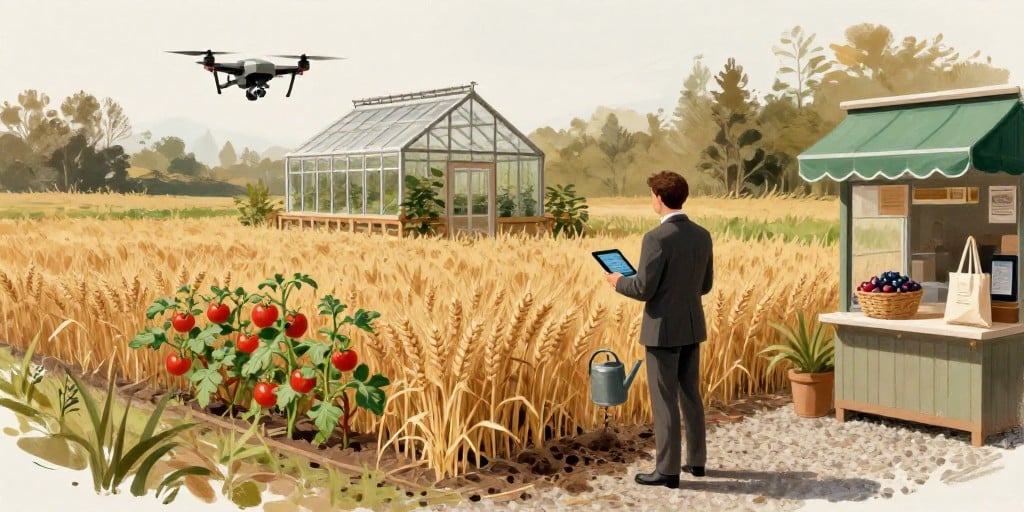
Technology‑Enabled Supply Chains Precision agriculture—leveraging sensors, drones, and machine‑learning analytics—offers a competitive advantage by reducing input waste and improving yield predictability. Automated harvesting and climate‑adapted seed development further enhance resilience. These innovations are attracting capital from tech‑centric ETFs, such as the AgriTech X‑ETF, and broader agribusiness funds that provide diversified exposure to both technology and commodity segments.
Strategic Editorial Perspective
From a corporate strategy standpoint, agribusiness firms that effectively integrate health‑focused product development with technology‑driven supply chains position themselves favorably against both consumer‑goods giants and traditional industrial players. Brand positioning that emphasizes sustainability, traceability, and nutritional value resonates with millennials and Gen‑Z consumers, while also appealing to institutional investors seeking ESG credentials.
Retail innovation—particularly omnichannel strategies—provides a dual benefit: capturing price‑sensitive consumers through online convenience and deepening engagement through data‑rich loyalty programs. In the long term, companies that can seamlessly blend agribusiness operations with consumer retail ecosystems are likely to unlock higher margins and cross‑sell ancillary products (e.g., cooking accessories, meal‑prep services).
Conclusion
While the first‑half gains in agribusiness stocks offer an attractive short‑term play, the sector’s long‑term trajectory is shaped by intertwined forces of demographic change, health‑centric consumption, and technological disruption. Portfolio managers seeking diversification beyond traditional industrials and staples will find compelling narratives in brands that marry nutritious product offerings with climate‑resilient agriculture and omnichannel retail excellence. The convergence of these trends signals a continued, if measured, upside potential that aligns with a medium‑to‑long‑term strategic outlook.