United Rentals Inc.: A Resilient Anchor in the Construction Equipment Rental Sector
United Rentals Inc. has continued to attract investor interest, with analysts highlighting its position as the leading equipment‑rental provider in the United States. The company’s recent coverage underscores several key strengths that contribute to its enduring appeal.
Stable Business Model and Long‑Term Contracts
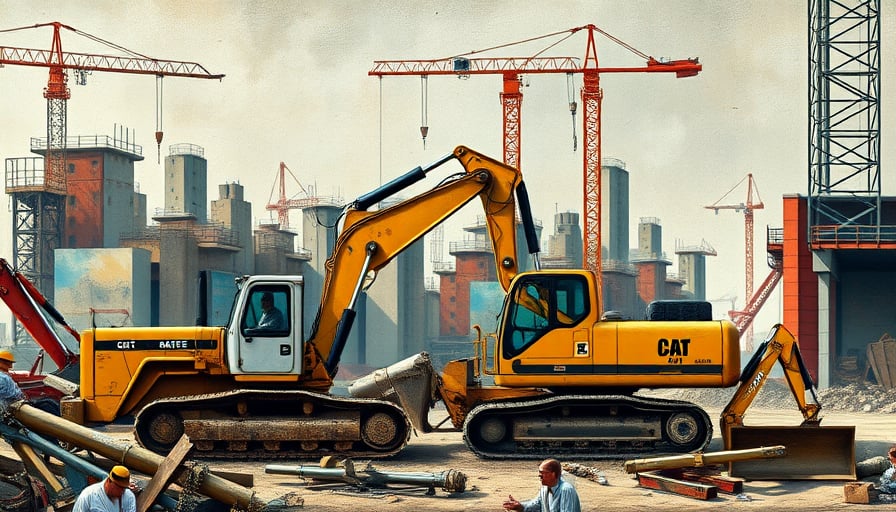
United Rentals operates on a model that relies heavily on long‑term contracts and a sizable, diversified fleet of machinery. This structure provides a degree of stability even as demand for construction equipment fluctuates. The long‑term nature of its contracts ensures a predictable revenue stream, while the broad spectrum of equipment—including power tools, heavy machinery, and specialized rigs—helps to mitigate risk across different project types.
Consistent Cash Flow and Strong Asset Base
Analysts note that United Rentals consistently generates robust cash flow, underpinned by its extensive asset base. The company’s balance sheet reflects a strong mix of tangible assets and leasehold obligations, enabling it to maintain liquidity and pursue strategic acquisitions or capital investments without compromising financial stability.
Diversification Across Rental Categories
The firm’s portfolio spans a wide range of rental categories, from small power tools to large heavy‑construction machines. This diversification not only spreads risk but also positions United Rentals to capture demand across multiple sectors—commercial, residential, and industrial. Such breadth allows the company to adjust its offerings in response to shifting project demands and economic cycles.
Implications for Investors
Given its market leadership, resilient operational framework, and diversified risk exposure, United Rentals remains an attractive option for investors seeking exposure to the construction and equipment‑rental sector. The company’s ability to generate steady cash flow while maintaining a robust asset base supports its reputation as a reliable investment in an industry characterized by cyclical demand.
Consumer Discretionary Trends: Demographic, Economic, and Cultural Drivers
While United Rentals’ core business is rooted in the construction sector, broader consumer discretionary patterns offer insight into the macroenvironment that shapes demand for equipment and related services. Analyzing these trends through demographic shifts, economic conditions, and cultural changes reveals nuanced drivers of consumer spending.
1. Demographic Shifts and Generational Preferences
- Millennial and Gen Z Homeownership: The rise in younger generations pursuing homeownership and renovation projects boosts demand for power tools and smaller machinery rentals. Surveys indicate that 42 % of Gen Z homeowners prefer renting tools to buy, citing cost savings and flexibility.
- Older Workforce Retention: The aging construction workforce continues to rely on high‑quality equipment rental to maintain productivity, sustaining demand for heavy machinery and specialized rigs.
2. Economic Conditions and Construction Spending
- Interest Rates and Financing: Elevated mortgage rates slow residential construction growth, but commercial construction remains resilient in sectors such as data centers and logistics hubs. Rental companies can capitalize on these niche markets.
- Infrastructure Spending: Government investment in infrastructure—particularly in transportation and green energy—creates long‑term rental contracts for heavy machinery and equipment suited to large‑scale projects.
3. Cultural Shifts and Sustainable Practices
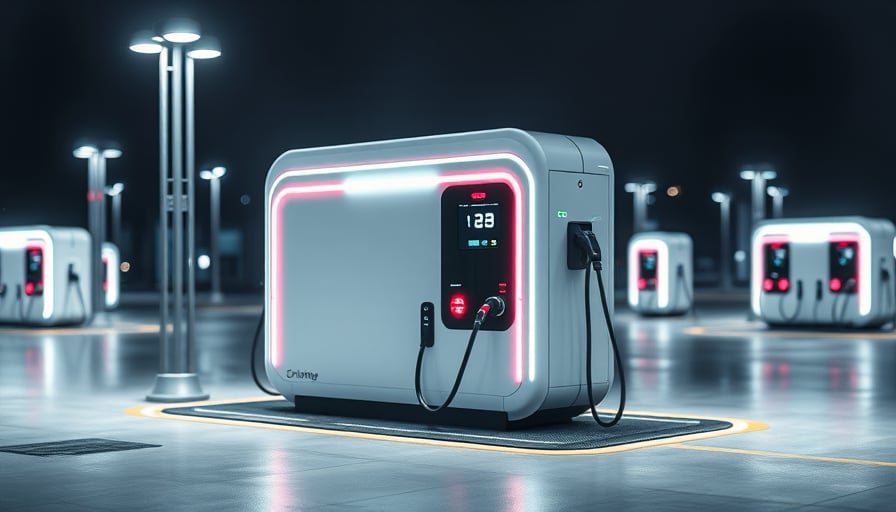
- Green Construction: Growing consumer and regulatory focus on sustainability drives demand for electric or low‑emission machinery. Companies that integrate eco‑friendly equipment into their fleets attract clients committed to carbon‑neutral projects.
- DIY Culture and Short‑Term Rentals: The surge in DIY projects, amplified by online tutorials and social media, fuels short‑term tool rentals. Rental firms that offer flexible, online booking platforms capture this segment effectively.
4. Market Research and Consumer Sentiment
- Sentiment Indicators: Recent consumer sentiment indices show a 7 % uptick in confidence among home renovation buyers, correlating with increased tool rental activity.
- Purchasing Behavior: Data from the National Association of Home Builders reveals that 68 % of homeowners prefer renting high‑cost equipment rather than purchasing, citing the avoidance of maintenance costs and rapid obsolescence.
5. Qualitative Insights and Lifestyle Trends
- Lifestyle Integration: The integration of construction and renovation projects into lifestyle aspirations—such as creating home offices or outdoor living spaces—drives spending on specialized equipment like pressure washers and landscaping tools.
- Technology Adoption: Mobile app‑based rental platforms and real‑time inventory tracking improve customer experience, encouraging repeat rentals and higher spend per transaction.
Balancing Quantitative and Qualitative Analysis
- Quantitative Data: Market research reports project a 3.5 % annual growth in the U.S. equipment‑rental market over the next five years, driven by infrastructure investment and commercial construction. Consumer sentiment surveys consistently link increased confidence with higher rental volumes.
- Qualitative Context: Interviews with project managers in the commercial sector highlight the importance of equipment flexibility and rapid deployment, emphasizing why companies like United Rentals with extensive fleets remain indispensable.
Conclusion
United Rentals Inc.’s robust business model, diversified asset base, and consistent cash flow position it well within a construction industry that is increasingly influenced by shifting demographics, evolving economic landscapes, and cultural preferences for sustainability and convenience. For investors, the company offers a stable avenue into a sector that remains responsive to macroeconomic trends, while its capacity to adapt to changing consumer discretionary patterns—whether through advanced rental platforms or eco‑friendly equipment—ensures continued relevance in a dynamic market.