United Airlines Blocks Third‑Party AI Agents from Booking Flights and Accessing Customer Accounts
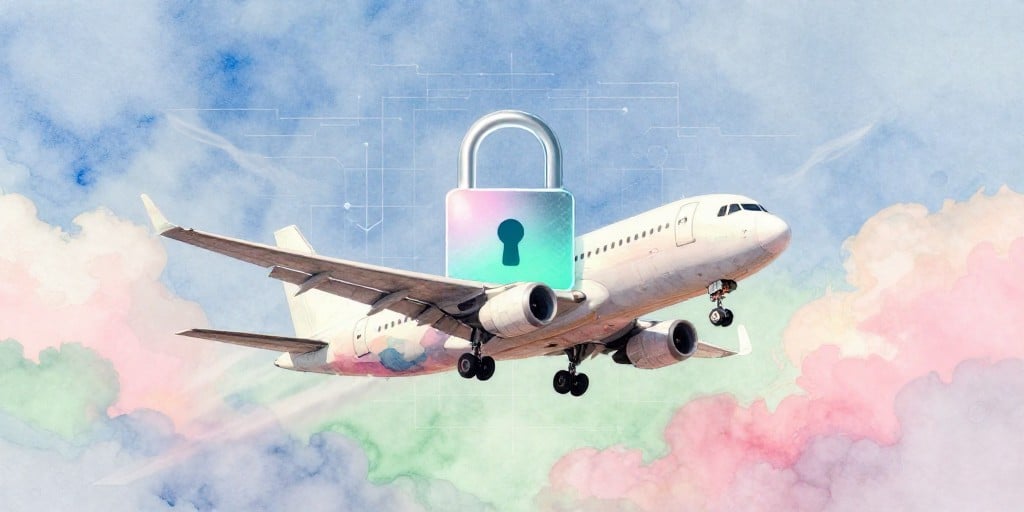
United Airlines Holdings Inc. has announced a new restriction that will prevent third‑party artificial‑intelligence agents from booking flights or accessing customer accounts on its reservation platform. The decision follows a broader trend among major travel and financial firms tightening controls over AI‑based tools. Earlier this month, Amazon and JPMorgan Chase already curtailed access for similar agents, citing security concerns and the potential impact on customer data privacy.
Context and Rationale
The airline’s announcement reflects a growing unease about the rapid deployment of personal assistants that can negotiate discounts, manage subscriptions, and, in some cases, access sensitive account information. United Airlines’ move aims to reduce the risk of unauthorized interactions and to preserve the integrity of its reservation systems. By limiting third‑party agent activity, the carrier intends to maintain tighter oversight over how customer data is handled and to protect against potential fraud or misuse.
Industry Response
Industry analysts note that the rise of AI tools has prompted a wave of countermeasures. While some companies have embraced proprietary AI solutions to streamline operations, others are opting for stricter access controls. United Airlines’ action is part of a broader shift that also includes banks such as JPMorgan Chase and Charles Schwab, which have begun to restrict AI‑driven money‑transferring functions.
Competitive Positioning
From a competitive‑positioning standpoint, United’s policy underscores the balance between embracing technological innovation and safeguarding customer trust in a rapidly evolving digital landscape. By maintaining a tighter gate on third‑party AI integration, United differentiates itself from carriers that have opened their APIs to broader AI ecosystems. This conservative stance may appeal to customers who prioritize data security, potentially enhancing brand loyalty in a market where privacy concerns are increasingly prominent.
Economic Factors
The decision also reflects broader economic considerations. The aviation industry operates under tight regulatory scrutiny, and the potential for data breaches could expose United to significant liability and reputational risk. Moreover, the cost of implementing robust monitoring and enforcement mechanisms for third‑party AI activity is offset by the savings achieved through preventing fraud, reducing operational disruptions, and avoiding regulatory penalties.
Cross‑Sector Implications
United’s policy mirrors actions taken by firms in unrelated sectors, demonstrating a convergence of concerns across industries. Banks, insurers, and even e‑commerce platforms have similarly tightened AI access controls. This trend indicates that as AI capabilities expand, so does the imperative for firms to adopt comprehensive governance frameworks that safeguard both customer data and operational integrity.
Outlook
United Airlines’ stance is likely to influence other carriers and service providers as they evaluate the trade‑offs between innovation and security. Firms may adopt hybrid approaches, leveraging proprietary AI solutions while imposing strict controls on external integrations. The evolving regulatory landscape, including forthcoming data‑protection mandates, will further shape how organizations balance the benefits of AI with the need for robust safeguards.
In sum, United Airlines’ decision to block third‑party AI agents is a calculated response to emerging security risks, positioning the carrier as a cautious but customer‑focused player in the digital age. The broader industry movement toward tighter AI controls signals a shift toward more disciplined integration of advanced technologies, with implications that extend far beyond the aviation sector.