United Airlines Holdings’ 13F‑HR Filing and the Airline’s Stance on AI‑Powered Booking
United Airlines Holdings, Inc. (NASDAQ: UAL) submitted its quarterly Form 13F‑HR report on 13 November 2026, covering the quarter ended 30 September. The filing, routed through the company’s Chicago‑based filing manager, provides a snapshot of the holdings of both United Airlines Holdings and its subsidiary, United Airlines, Inc. While the document does not disclose individual security prices, it outlines the aggregate portfolio value and the corporate structure that underpins the airline group’s investment strategy.
Portfolio Composition and Corporate Structure
The report confirms that United Airlines Holdings continues to maintain a diversified equity portfolio, with holdings that reflect its core business interests and ancillary revenue streams. The filing lists a single other manager associated with United Airlines, Inc., indicating a tightly controlled investment approach that aligns with the group’s broader strategic objectives. Analysts note that the lack of granular price information is typical for 13F‑HR filings, which aim to provide transparency on institutional holdings rather than detailed market valuations.
The emphasis on portfolio composition underscores the airline’s focus on core principles such as liquidity, risk management, and alignment with long‑term shareholder value. By maintaining a clear view of its holdings, United can better navigate the cyclical nature of the aviation sector and align its capital allocation with macroeconomic trends such as fuel price volatility and passenger demand fluctuations.
AI‑Powered Booking Restrictions: A Sector-Wide Trend
In the same week, Bloomberg reported that OpenAI introduced a payment wallet enabling its AI agents to purchase goods on behalf of users. The wallet, built in partnership with major card networks, allows transactions to occur without exposing cardholder details and requires biometric verification for each purchase. While the primary focus of the story was the new functionality, the piece also highlighted a contrasting development within the travel industry.
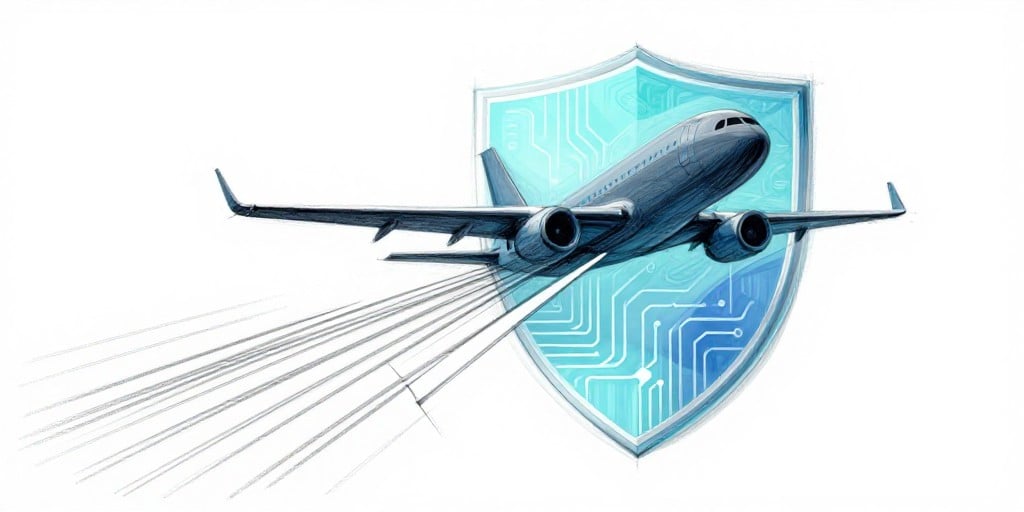
United Airlines Holdings announced that it has blocked AI agents from booking flights during peak holiday periods. This action aligns the airline with other large retailers that have imposed similar restrictions on automated purchasing tools. The move reflects growing concerns over bot‑driven sales, which can lead to inventory hoarding, price manipulation, and unfair access for human customers.
Broader Economic and Competitive Implications
The airline’s decision to limit AI agents mirrors a broader industry pattern where companies seek to preserve market integrity and protect consumer interests. From a competitive standpoint, these restrictions can level the playing field between large, technologically sophisticated retailers and traditional travel providers. In an era where e‑commerce platforms are increasingly reliant on AI for pricing and inventory management, airlines must balance innovation with safeguards that prevent abuse of automated systems.
Economically, the restrictions may influence consumer behavior and the distribution of revenue streams across the travel ecosystem. If AI agents are barred from booking flights during high‑demand periods, airlines may see a shift in booking patterns, potentially mitigating last‑minute price spikes and stabilizing revenue forecasts. Moreover, the integration of biometric verification in payment systems, as seen with OpenAI’s wallet, underscores the evolving regulatory environment surrounding data privacy and consumer protection—factors that airlines must consider as they evaluate the adoption of similar technologies for ticket sales.
Conclusion
United Airlines Holdings’ 13F‑HR filing offers a concise overview of the airline’s investment posture, emphasizing strategic alignment and portfolio transparency. Simultaneously, the company’s restriction on AI‑powered booking tools reflects a broader industry response to the challenges posed by automated purchasing. By navigating these dual fronts—maintaining a disciplined investment approach while safeguarding against bot‑driven market distortions—United Airlines positions itself to sustain competitive advantage amid rapidly shifting technological and economic landscapes.