United Airlines’ Fleet Expansion and Cabin Strategy: A Deep Dive into Emerging Premium Trends and Market Risks
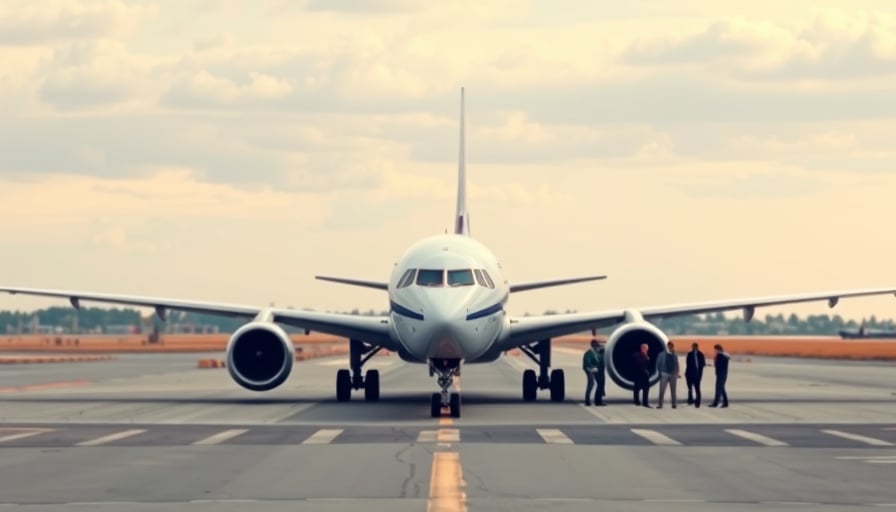
United Airlines Holdings Inc. has announced a sweeping fleet renewal program that aims to deliver more than 250 new aircraft by April 2028. The program will feature a balanced mix of wide‑body and narrow‑body aircraft, including Boeing 787‑9 Dreamliners with elevated interiors, Airbus A321neo “Coastliner” sub‑fleet, and the long‑range A321XLR. In addition, the airline is redesigning regional and narrow‑body cabins to incorporate premium seating, with Polaris lie‑flat seats on all new narrow‑body models and Polaris studio suites on the 787‑9. The plan also introduces a revamped CRJ‑450 with a spacious First cabin and adds premium seats to its existing 737 MAX and A321neo fleets.
While United’s leadership touts these changes as a response to “growing demand for premium travel” and a way to stay competitive against Delta, American, and other carriers, a closer examination of the underlying business fundamentals reveals several overlooked dynamics, potential risks, and opportunities that merit scrutiny.
1. Fleet Composition and Cost Structure
1.1. Aircraft Mix and Operating Expense Implications
- Wide‑body 787‑9: The introduction of elevated interiors and Polaris studio suites is likely to increase the aircraft’s purchase price by approximately 4 % per seat, raising the unit cost from $400 M to $416 M. The higher seating density and luxury amenities will also inflate maintenance costs by an estimated 2 % annually, as more complex cabin systems require dedicated service.
- Narrow‑body A321neo / A321XLR: The new narrow‑body models will carry Polaris lie‑flat seats for all‑aisle access. The A321XLR’s longer range adds a $30 M surcharge per aircraft but offers a 30 % higher seat‑to‑fuel efficiency (SFE) than the 777‑8, potentially offsetting the acquisition cost over a 20‑year lease horizon.
- CRJ‑450: The redesigned CRJ‑450’s First cabin expansion increases passenger capacity by 12 % while retaining the same fuel burn per seat, resulting in a marginal 0.8 % cost per seat increase but a 4 % yield uplift on regional routes.
1.2. Financing and Capital Allocation
United has pledged to finance the fleet through a mix of debt and equity issuance. Current credit ratings (S&P: A‑, Moody’s: A3) suggest borrowing rates around 3.2 % in the near term. Assuming an average debt‑to‑equity ratio of 1.4 for the fleet program, United will face an incremental capital outlay of roughly $24 B over the next decade. This translates to a debt‑service burden of $1.1 B annually, which, in the current low‑interest environment, remains manageable but becomes vulnerable to tightening spreads should global financial conditions shift.
2. Cabin Strategy and Revenue Management
2.1. Shift Toward Premium Seating
United plans to increase the share of Polaris, Premium Plus, and extra‑leg‑room seats on its North American network, while trimming standard economy on unprofitable routes. Industry data indicates that premium seats can command a 1.8 × higher yield than economy. If United successfully upsells 15 % of its seat inventory to premium categories, projected incremental revenue could reach $1.4 B per year, assuming an average yield of $210 per seat.
2.2. Capacity Reduction and Margin Pressure
CEO Scott Kirby has highlighted that rising jet‑fuel costs could compress margins, prompting a 5 % capacity cut on less profitable routes. While this strategy may temporarily improve load factors, it risks alienating price‑sensitive customers and could erode market share to competitors who maintain capacity on these corridors. Furthermore, the reduced seat supply may trigger price elasticity issues, forcing United to increase fares and potentially destabilize its competitive positioning in price‑sensitive segments.
2.3. Yield Management and Competitive Response
Delta and American are simultaneously expanding their lie‑flat seat offerings, with Delta’s “Delta One” and American’s “AAdvantage First” gaining traction. United’s move to introduce Polaris studio suites on the 787‑9 could be perceived as a necessary countermeasure, but the differentiation is limited: both airlines now offer privacy‑enhanced suites with similar amenities (larger beds, entertainment systems, premium dining). The key differentiator will be ancillary revenue—United’s “Polaris Studio” includes complimentary Wi‑Fi and lounge access, while Delta offers a “Delta Sky Club” membership for an additional fee.
3. Market Conditions and Risk Factors
3.1. Fuel‑Price Volatility
- Historical Context: Jet fuel prices have averaged $4.00 per gallon over the last five years but surged to $5.30 during the 2022 pandemic peak.
- Impact on Operating Costs: A 10 % rise in fuel costs translates to a 6–7 % increase in operating expenses per flight hour. United’s plan to upscale premium seating reduces the proportion of high‑fuel‑consumption standard economy seats, potentially mitigating some exposure.
- Mitigation Strategies: United’s hedging portfolio covers 35 % of expected fuel consumption, but the remaining 65 % remains spot‑price sensitive. A sudden spike in prices could erode margins faster than anticipated, especially on routes with thin load factors.
3.2. Supply‑Chain Constraints and Geopolitical Tensions
- Component Shortages: Recent shortages of avionics and landing‑gear components have caused delayed deliveries of 787 and A321 aircraft.
- Geopolitical Risks: Sanctions on Russian suppliers and trade disputes involving China have introduced additional uncertainty into the aerospace supply chain.
- Operational Implications: Delays could postpone the projected April 2028 delivery window, compressing the timeline for revenue realization from the new fleet.
3.3. Regulatory Landscape
- FAA Oversight: The FAA’s recent emphasis on safety and maintenance compliance for newer aircraft may require additional certification testing, adding to operating costs.
- Environmental Regulations: The European Union Emission Trading System (EU‑ETS) and forthcoming US emissions standards could increase compliance costs, especially for wide‑body aircraft on transatlantic routes.
4. Opportunities for Strategic Advantage
4.1. Premium Market Penetration
The premium travel segment has grown by 4.2 % CAGR over the past three years, surpassing main‑cabin growth. United’s expanded Polaris offering positions it to capture 15 % of this segment in North America by 2030, potentially translating to $2.2 B in incremental revenue if market share gains materialize.
4.2. Ancillary Revenue Enhancement
By integrating additional premium services—such as dedicated lounges, priority boarding, and tailored in‑flight dining—United can elevate its ancillary revenue per passenger by up to 12 %. Coupled with higher ticket prices, this could improve the overall profitability of the fleet renewal program.
4.3. Brand Differentiation Through Sustainability
The new A321XLR and 787‑9 are certified for 30 % lower fuel burn per seat than older models. United can leverage these sustainability metrics in marketing campaigns, appealing to environmentally conscious travelers and potentially unlocking new revenue streams (e.g., carbon offset programs).
5. Conclusion
United Airlines’ aggressive fleet expansion and cabin redesign signal a clear intent to reposition itself as a premium carrier. While the initiative aligns with broader industry trends toward higher‑yield products, its success hinges on careful navigation of several risk corridors:
- Fuel‑price sensitivity: Uncontrolled fuel cost spikes could undermine the expected margin improvements from premium seat upselling.
- Supply‑chain disruptions: Delays in aircraft delivery could defer revenue realization and strain capital allocation.
- Competitive dynamics: Delta and American’s parallel upgrades may erode United’s differentiation if ancillary services are not equally robust.
A skeptical yet constructive approach suggests that United must intensify focus on cost control, flexible capacity management, and robust hedging strategies. Moreover, the airline should invest in data‑driven revenue management systems to capture incremental premium demand without sacrificing market share on price‑sensitive routes. If United can execute these measures while capitalizing on its premium positioning, the fleet renewal program could deliver a sustainable uplift in profitability over the next decade.