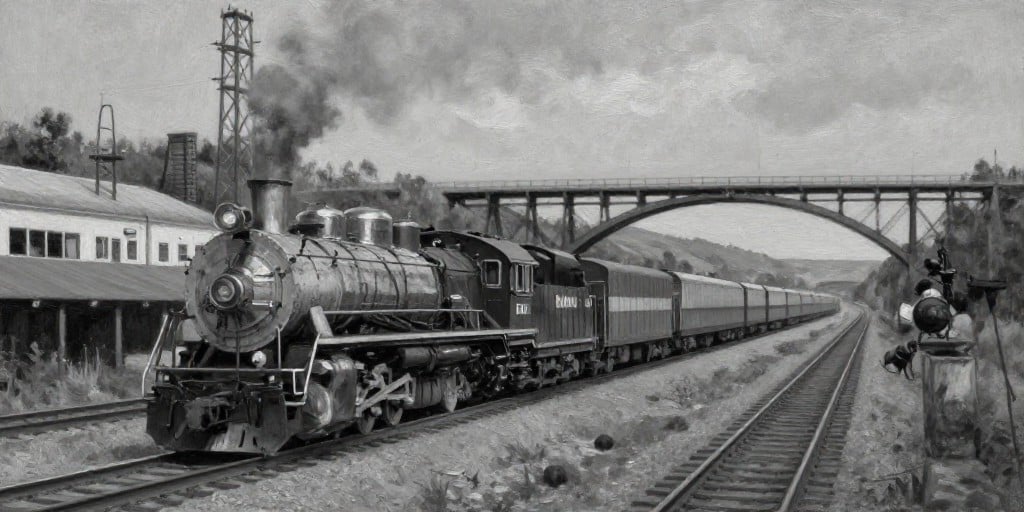
Union Pacific Corp. Reports Consistent Performance Amid Strategic Infrastructure Upgrades
Union Pacific Corporation (UP) has released a comprehensive set of operational and strategic updates that underscore the company’s commitment to maintaining robust earnings, expanding its freight capacity, and safeguarding shareholder value while navigating evolving regulatory and environmental landscapes.
Financial Outlook Remains Stable
The railroad operator confirmed that its most recent quarterly earnings and free‑cash‑flow figures met or exceeded management’s expectations. UP emphasized that there are no material revisions to the guidance issued for the remainder of the fiscal year. This stability is attributed to the company’s disciplined cost‑control initiatives and its ability to capture higher freight volumes across its key corridors. By sustaining a predictable cash‑flow profile, UP can continue to fund its capital‑intensive modernization agenda without compromising its dividend and potential share‑repurchase commitments.
Freight Volume Growth and Long‑Term Growth Strategy
Union Pacific highlighted a steady rise in rail traffic within its core corridors, an indicator that aligns with the broader growth in the North American freight market. The uptick in freight volumes is particularly noteworthy given the recent macro‑economic backdrop marked by rising commodity prices and a gradual rebound in manufacturing activity. By leveraging its extensive network and strategic intermodal hubs, UP is well positioned to capture a larger share of the logistics market, thereby reinforcing its long‑term growth narrative.
Capital Expenditures: Modernization of the Rail Network
A key highlight of UP’s update is the completion of a major infrastructure project that modernized the rail network within a pivotal industrial region. The upgrade, which encompassed track replacements, signaling system enhancements, and the introduction of digital monitoring tools, is expected to deliver measurable improvements in service reliability and transit time reductions. These gains translate into higher customer satisfaction and a competitive edge against alternative modes of transport, such as trucking and inland waterway.
In addition to the physical upgrades, UP announced plans to deploy advanced monitoring systems that will augment asset integrity and safety compliance across its fleet. This investment reflects a broader industry shift toward predictive maintenance and real‑time data analytics, allowing rail operators to preemptively address wear and tear, thereby minimizing downtime and enhancing safety.
Dividend Policy and Capital Allocation
The company reaffirmed its current dividend payout ratio, signaling a continued focus on returning value to shareholders. Concurrently, UP reiterated its readiness to engage in share repurchases, contingent on market conditions and cash‑flow availability. This dual approach balances immediate shareholder returns with long‑term investment needs, a strategy commonly employed by mature utilities and infrastructure firms that operate within regulated environments.
Regulatory Compliance and Environmental Stewardship
Union Pacific underscored its compliance with recent amendments to environmental and safety regulations. The firm’s proactive audits and the implementation of new operational protocols demonstrate a commitment to meeting updated emission standards and track‑maintenance requirements. By staying ahead of regulatory changes, UP mitigates the risk of penalties and operational disruptions, while also reinforcing its brand as a responsible steward of the communities it serves.
Workforce Development and Safety Initiatives
Recognizing that its human capital is a cornerstone of operational excellence, UP reiterated its dedication to employee safety and training. The workforce has experienced steady growth, and the company continues to invest in development programs that align with industry best practices and emerging technology needs. Such initiatives not only enhance safety metrics but also drive productivity and innovation across the organization.
Strategic Implications and Market Context
Union Pacific’s recent updates illustrate a firm that is simultaneously conservative and forward‑looking. The combination of steady earnings, strategic infrastructure investment, and a disciplined capital‑allocation framework positions UP favorably in the face of a dynamic freight industry. Moreover, the company’s emphasis on regulatory compliance and environmental stewardship aligns with broader societal expectations for sustainable transport solutions, thereby mitigating reputational risks and potentially unlocking new revenue streams through green freight initiatives.
From a macroeconomic perspective, UP’s focus on rail network reliability dovetails with the ongoing shift toward multimodal logistics solutions that reduce congestion on highways and lower carbon footprints. This synergy enhances the rail sector’s appeal to shippers seeking cost‑effective and environmentally responsible transportation options, reinforcing Union Pacific’s competitive positioning within the North American freight ecosystem.
In sum, Union Pacific’s latest operational brief conveys a coherent strategy: maintain financial resilience, invest strategically in network upgrades, and uphold shareholder value while navigating regulatory and environmental imperatives. This balanced approach should serve the company well as it continues to adapt to evolving industry dynamics and broader economic trends.