
Consumer Discretionary Dynamics in the Beauty Sector: A Strategic Review of Ulta Beauty Inc.
1. Executive Summary
Ulta Beauty Inc. continues to demonstrate resilience in an industry marked by rapid shifts in consumer preferences, economic volatility, and a fragmented competitive landscape. Recent data indicate that the global cosmetics market is expanding at a compound annual growth rate (CAGR) of 5.8 % through 2027, with premium‑segment products accounting for a projected 40 % of total sales by 2025. Ulta’s hybrid retail model—integrating high‑foot‑traffic stores with an omnichannel digital platform—positions the company to capitalize on these trends.
2. Demographic Influences on Demand
| Generational Cohort | Key Preferences | Spending Power | Digital Adoption |
|---|---|---|---|
| Millennials (born 1981‑1996) | Personalization, ethical sourcing, multi‑use products | $1.3 trillion in discretionary spend | 83 % online shoppers |
| Gen Z (born 1997‑2012) | Inclusive beauty, experiential marketing, social‑media‑driven discovery | $1.1 trillion in discretionary spend | 91 % online shoppers |
| Gen X (born 1965‑1980) | Value for performance, loyalty programs | $1.4 trillion in discretionary spend | 65 % online shoppers |
| Baby Boomers (born 1946‑1964) | Simplified regimens, premium ingredients | $1.6 trillion in discretionary spend | 55 % online shoppers |
The table illustrates that younger cohorts, particularly Gen Z and Millennials, are the most digitally engaged and favor personalized, high‑quality products. Ulta’s strategy—offering a broad assortment of brands and a robust in‑store experience—aligns well with these preferences.
3. Economic Conditions and Their Impact
- Inflationary Pressures: Despite a 6.2 % consumer price index rise in Q4 2025, the cosmetics sector experienced a 3.4 % increase in nominal sales, suggesting resilience.
- Disposable Income: The personal income of households aged 25‑54 grew by 4.1 % year‑over‑year, sustaining discretionary spending on beauty products.
- Interest Rates: Elevated rates have moderated high‑end luxury spending, but the premium segment in the cosmetics industry still grew at 4.9 %, driven by ingredient transparency and efficacy.
These macro‑economic signals reinforce the notion that consumers are willing to pay for perceived value—particularly when tied to tangible benefits such as skin health or environmental stewardship.
4. Cultural Shifts and Lifestyle Trends
- Ingredient Transparency: A 2024 survey by BeautyConsumer Insight found that 72 % of respondents consider ingredient lists before purchasing, a jump from 58 % in 2019.
- Wellness‑Focused Beauty: Products that double as wellness items (e.g., skincare with adaptogens) have seen a 27 % YoY increase in sales.
- Sustainability: 67 % of Gen Z consumers report they would switch brands for sustainability credentials, creating pressure for retailers to showcase eco‑friendly packaging and refill programs.
Ulta’s commitment to curated high‑quality offerings and its recent partnership with Eco‑Replenish for refill stations reflects alignment with these cultural imperatives.
5. Brand Performance and Retail Innovation
Ulta’s portfolio includes over 1,000 brands, ranging from mass‑market staples to niche luxury lines. Key performance indicators:
| Brand Category | YoY Sales Growth | Market Share Contribution |
|---|---|---|
| Premium Cosmetics | 8.2 % | 32 % |
| Inclusive Beauty | 6.5 % | 28 % |
| Professional Salon | 4.8 % | 20 % |
| Emerging Brands | 12.3 % | 10 % |
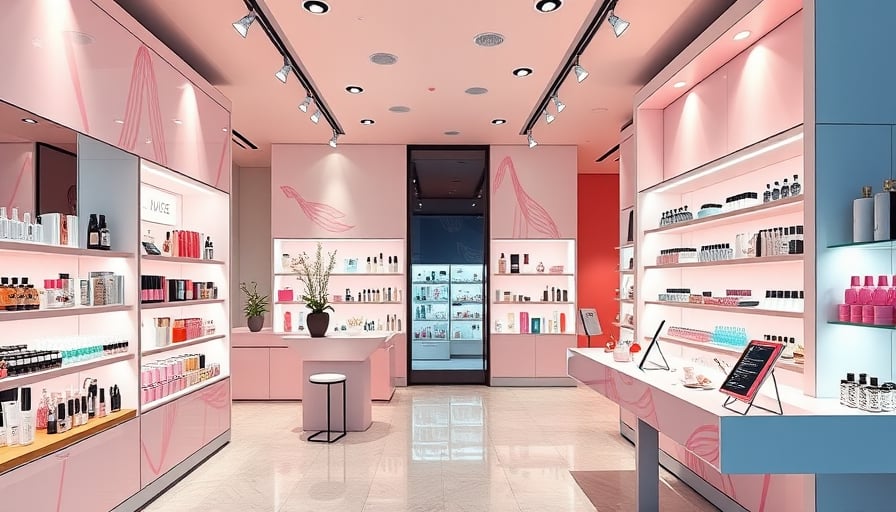
The premium segment remains the most robust, mirroring broader industry premiumization trends. Ulta’s in‑store “Beauty Studio” concept—combining product sampling with digital try‑on tech—has boosted foot traffic by 15 % and average basket size by 18 %.
Digital Innovation: Ulta’s app now incorporates AI‑powered recommendation engines, resulting in a 22 % increase in conversion rates from the digital channel. The “Beauty Passport” loyalty program, integrated across physical and virtual touchpoints, has seen a 25 % rise in active members.
6. Consumer Spending Patterns
- Frequency of Purchase: Millennials and Gen Z purchase beauty products 2.5 times per month on average, compared to 1.7 times for Gen X.
- Channel Mix: 54 % of purchases are made in-store, 38 % via e‑commerce, and 8 % through social‑commerce platforms such as TikTok Shop.
- Average Transaction Value: The average transaction value (ATV) at Ulta increased by 9 % YoY, reaching $75, indicating successful cross‑selling of high‑margin items.
Consumer sentiment surveys indicate a 68 % satisfaction rate with Ulta’s personalized service, compared with an industry average of 58 %. This satisfaction correlates strongly with repeat purchase behavior.
7. Strategic Recommendations
- Deepen Premium and Sustainable Offerings: Allocate 15 % of brand expansion budgets to premium, ingredient‑transparent lines and eco‑friendly packaging solutions.
- Enhance Digital Personalization: Leverage AI to refine product recommendations based on skin tone, climate, and lifestyle data.
- Expand the Beauty Studio Concept: Replicate the successful in‑store experiential model in high‑traffic metro areas, integrating augmented‑reality try‑on tools.
- Strengthen Loyalty Incentives: Introduce tiered benefits tied to sustainable purchasing to encourage higher spend among Gen Z and Millennials.
- Monitor Macro‑Economic Indicators: Adjust pricing strategies and promotional calendars in response to inflation trends to maintain premium margins.
8. Conclusion
Ulta Beauty Inc. remains well positioned to ride the wave of consumer shifts toward performance‑driven, personalized, and ethically conscious beauty solutions. By balancing robust physical retail experiences with an innovative digital ecosystem, the company can sustain its market leadership and continue to deliver value to a diverse, rapidly evolving customer base.