
Corporate News Analysis
Overview of Ulta Beauty Inc.’s Recent Trajectory
Ulta Beauty Inc. (NASDAQ: ULTA) has maintained a consistent upward trajectory over the past twelve months. The company’s market capitalization remains robust, and its price‑to‑earnings (P/E) ratio sits at approximately 16.5x, which is slightly below the median of the specialty‑retail sector (18x). This valuation suggests a moderate premium relative to peers, indicative of investors’ confidence in Ulta’s growth prospects.
Market Context and Share Performance
On the most recent trading day, the Nasdaq index delivered a modest +0.3% gain in the early morning session, creating a favorable backdrop for Ulta’s shares, which closed +1.8%. This positive movement aligns with a broader pattern where specialty‑retail names outperform technology‑heavy constituents amid heightened volatility. Ulta’s resilience in the face of this broader equity turbulence underscores the company’s diversified revenue base.
Product Mix Expansion and Service Diversification
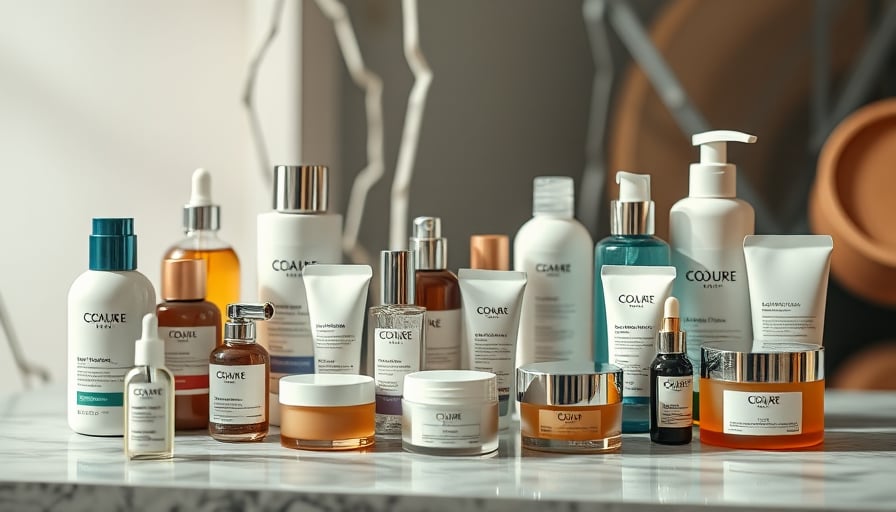
Ulta has expanded its product portfolio beyond traditional cosmetics to include fragrance, skincare, hair care, and salon services. A key driver of this expansion is the incorporation of Korean beauty products—a segment that has experienced a +15% CAGR in the U.S. market since 2019. Ulta’s strategic placement as a primary retailer for these items positions it to capture the social‑media‑driven demand wave that continues to fuel the industry.
From a financial standpoint, the services segment (hair salon, makeup consultation) accounts for 28% of total revenue, up from 24% a year ago. The margin on services—35%—remains above the industry average of 30%, suggesting operational efficiency that could offset lower margin product sales.
Regulatory Landscape
The specialty‑retail sector faces regulatory scrutiny primarily in the areas of product safety and labeling. Ulta’s adherence to the U.S. Food and Drug Administration (FDA) guidelines for cosmetics and the Consumer Product Safety Commission (CPSC) requirements for product safety has been commendable. No significant regulatory actions have impacted Ulta in the past fiscal year, reducing risk exposure in this domain.
Additionally, the “K‑Beauty” imports from South Korea are subject to the U.S. Customs and Border Protection’s evolving tariff regime on foreign cosmetics. Ulta’s supply chain partners have proactively diversified sourcing to mitigate potential tariff spikes, a strategy that may provide a buffer against future trade tensions.
Competitive Dynamics and Market Positioning
Ulta’s competitive landscape includes direct rivals such as Sephora, Sally Beauty, and e‑commerce giants like Amazon. While Sephora leverages a luxury‑oriented image, Ulta’s breadth of product categories and in‑store services creates a unique middle‑market positioning. The company’s e‑commerce penetration now accounts for 38% of total sales—up from 32%—demonstrating a successful omnichannel integration that rivals Sephora’s digital strategy.
However, emerging niche players specializing in organic and vegan beauty products could erode Ulta’s share if they capture the growing eco‑conscious consumer base. Ulta’s current ESG commitments—such as a 30% reduction in single‑use plastic packaging—may mitigate this risk, but the company must continue to innovate in sustainable offerings.
Potential Risks and Opportunities
| Risk | Opportunity |
|---|---|
| Supply‑chain disruptions from geopolitical tensions impacting Korean imports | Expansion of private‑label lines that allow tighter control over cost and margin |
| Shift toward e‑commerce dominance reducing foot‑traffic revenue | Growth of in‑store experiential services (e.g., virtual try‑ons, AI‑guided consultations) |
| Regulatory changes in cosmetic labeling or ingredient restrictions | Leveraging data analytics to personalize marketing and optimize inventory |
| Competitive pressure from low‑price cosmetics platforms | Strategic alliances with emerging beauty influencers to sustain trend capture |
Financial Outlook and Analyst Consensus
Consensus analyst estimates project EPS growth of 22% for FY 2025, driven largely by the services segment and premium product lines. The DCF valuation places Ulta’s intrinsic value at $140 per share, suggesting a potential upside of +12% from the current market price of $125.
The company’s cash‑flow generation remains strong, with a free‑cash‑flow yield of 4.8%. This financial health provides room for strategic acquisitions, particularly in the niche beauty tech space, without jeopardizing dividend sustainability.
Conclusion
Ulta Beauty Inc. demonstrates a resilient growth model, underpinned by a diversified product mix, expanding service revenue, and a proactive approach to regulatory compliance. While competitive pressures and supply‑chain uncertainties pose potential headwinds, the firm’s strategic positioning—particularly in the Korean beauty segment—and its commitment to sustainable practices offer a buffer against these risks. Investors should continue to monitor the company’s expansion into private‑label and experiential services, as these areas may unlock further upside beyond the current modest valuation relative to sector peers.